- Deforestation in Brazil's Atlantic Forest is forcing mosquitoes to target humans.
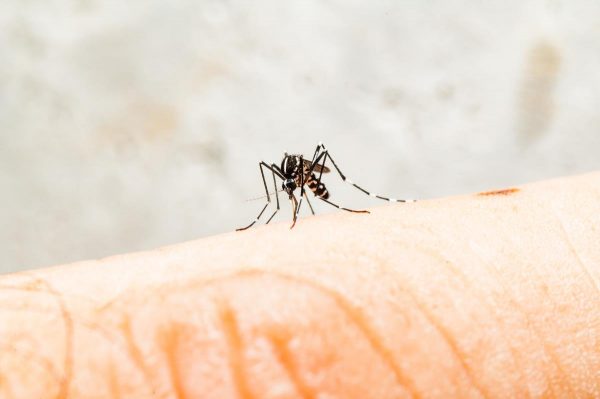
- Mosquitoes now prefer human blood due to a lack of wildlife hosts.
- This shift dramatically increases the risk of diseases like dengue and Zika.
- The change creates a direct link between environmental destruction and public health crises.
- Conserving ecosystems is crucial to preventing such disease outbreaks.
A matter of convenience and survival
This preference is not necessarily innate but a matter of opportunity. The Atlantic Forest, once a vast ecosystem, has been reduced to roughly one-third of its original size by development. As wildlife is pushed out, mosquitoes find their traditional blood sources gone. Humans, moving into these areas, become the most readily available option. "With fewer natural options available, mosquitoes are forced to seek new, alternative blood sources," explained co-author Dr. Sergio Machado of the Federal University of Rio de Janeiro. "They end up feeding more on humans out of convenience, as we are the most prevalent host in these areas." Mosquitoes are opportunists that do not travel far for a meal, making nearby humans an easy target.The heightened risk of transmission
This behavioral shift is far more than a nuisance; it is a significant amplifier of disease risk. "This is crucial because, in an environment like the Atlantic Forest with a great diversity of potential vertebrate hosts, a preference for humans significantly enhances the risk of pathogen transmission," Machado added. The region’s mosquitoes are known vectors for a host of serious viruses. The phenomenon underscores a broader, dangerous pattern. When biodiversity collapses, it often removes animals that can dilute disease transmission among insect populations. This leaves humans as the primary, concentrated blood source, creating efficient pathways for pathogens to spread through communities. Past studies have consistently linked heavier deforestation with higher mosquito abundance and increased rates of mosquito-borne illness. The research also highlights gaps in our understanding. Scientists could only identify the source of the blood meals in a fraction of the captured mosquitoes, pointing to the need for more extensive study. Yet the clear trend offers valuable insights for public health officials. This knowledge allows for targeted surveillance and mosquito control efforts in high-risk zones. The findings from Brazil are a microcosm of a global problem. Humanity’s relentless expansion into wild spaces continues to disrupt delicate ecological balances, with consequences that boomerang back in the form of new health threats. From the Amazon to Southeast Asia, the pattern repeats: destroy a forest, and you invite its inhabitants, including disease vectors, to adapt by making a home among people. This research delivers a clear, cause-and-effect lesson. The health of human populations is inextricably tied to the health of the ecosystems we are rapidly dismantling. As mosquitoes increasingly see us not as intruders but as their main course, the bill for environmental neglect comes due, paid in the currency of spreading sickness. Rebuilding natural barriers through conservation may be one of the most effective forms of disease prevention we have left. Sources for this article include: ScienceDaily.com ABCNews.go.com PopSci.com

The mouth’s microbiome: A new frontier in the fight against obesity
By Willow Tohi // Share


Beyond the inhaler: The new science of asthma targets inflammation and environment
By Willow Tohi // Share


Life-threatening DISORDER linked to tetanus-diphtheria vaccine raises safety questions
By Ramon Tomey // Share

Iraq Detains Ukrainian Nationals Suspected in Plot Against Gulf Oil Facilities
By garrisonvance // Share

U.S. Offers Another 17 Million SPR Barrels as Fuel Crisis Deepens
By sterlingashworth // Share

U.S. Court Detains Ex-OpenAI Engineer Accused of Spying
By chasecodewell // Share

Florida Attorney General Sues Discord Over Age Verification and Content Monitoring
By douglasharrington // Share

IMF Chief Calls for AI Guardrails as Officials Weigh Economic Risks and Opportunities
By edisonreed // Share