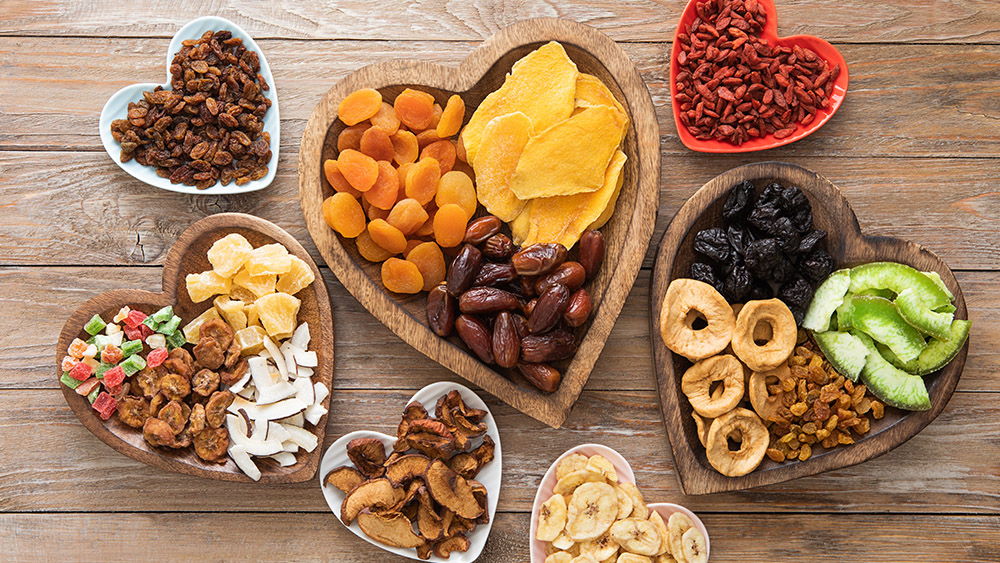
- Snack every 3-5 hours to stabilize blood sugar—mid-morning and afternoon snacks help regulate appetite, while late-night snacking disrupts metabolism and sleep.
- Choose nutrient-dense snacks (protein, fiber, healthy fats) like nuts, Greek yogurt or veggies with hummus to avoid blood sugar crashes and cravings.
- Highly refined, sugary snacks contribute to obesity, diabetes and metabolic dysfunction—opt for whole, unprocessed foods instead.
- Snack only when genuinely hungry, not out of boredom or stress and avoid distracted eating to prevent overconsumption.
- Just like Big Pharma, Big Food pushes addictive, unhealthy snacks—rely on independent research and whole foods to reclaim metabolic health.
The best times to snack
While there's no one-size-fits-all answer to the best snacking schedule, studies indicate that certain times of day may be more beneficial than others for maintaining energy and metabolic balance. Mid-morning snacks – Research suggests that eating a small, nutrient-dense snack between breakfast and lunch may help regulate appetite and reduce overall calorie intake. A study published in the Journal of the American College of Nutrition found that morning snacking was associated with lower HbA1c levels (a marker of long-term blood sugar control) compared to evening snacking. This could be due to better insulin sensitivity earlier in the day. Afternoon snacks – The mid-afternoon slump is a common time for energy crashes and cravings. A high-protein, high-fiber snack during this window—such as nuts, Greek yogurt or vegetables with hummus—can help sustain energy and delay hunger until dinner. Some studies suggest that afternoon snacking may be better for blood sugar management than late-night eating, which has been linked to metabolic disturbances. Avoiding late-night snacks – Multiple studies have connected late-night eating with disrupted circadian rhythms and increased risk of type 2 diabetes. A 2023 study in Nutrients found that consuming food close to bedtime led to higher post-meal blood sugar spikes compared to eating earlier in the evening. Additionally, late-night snacking can interfere with sleep quality, further exacerbating fatigue and cravings the next day.Why snack quality matters more than timing
While timing plays a role, the quality of snacks is even more critical for maintaining energy and metabolic health. Nutrient-dense snacks—those rich in protein, fiber and healthy fats—provide sustained energy without the blood sugar rollercoaster caused by processed, sugary options. Nutrient-dense choices – Whole foods like fruits, vegetables, nuts, seeds and lean proteins offer vitamins, minerals and antioxidants that support overall health. Research from The Journal of Nutrition found that people who snack on whole foods like nuts and berries tend to have higher diet quality scores than those who rely on sweets and processed snacks. Protein and fiber for satiety – Studies show that snacks containing protein and fiber (such as almonds, hard-boiled eggs or apple slices with nut butter) promote longer-lasting fullness compared to carb-heavy options like chips or cookies. This helps prevent overeating at subsequent meals. The risks of low-quality snacks—highly processed snacks packed with refined sugars, unhealthy fats and artificial additives—have been linked to poor metabolic outcomes. A large observational study involving over 40,000 U.S. adults found that frequent consumption of low-quality snacks (especially at night) was associated with higher risks of obesity, diabetes and certain cancers. Practical snacking strategies:- Plan ahead – Keep healthy snacks readily available to avoid impulsive choices. Pre-portioned nuts, cut vegetables or protein bars can help maintain consistency.
- Listen to your body – Snack when genuinely hungry—not out of boredom or stress. True hunger signals include stomach growling, low energy or difficulty concentrating.
- Balance macronutrients – Pair carbs with protein or fat (e.g., cheese with whole-grain crackers or yogurt with berries) to slow digestion and prevent blood sugar spikes.
- Avoid mindless eating – Distracted snacking (while watching TV or scrolling on your phone) can lead to overconsumption. Eat consciously to recognize satiety cues.
The bottom line
Snacking isn't inherently bad—it's about making informed choices. By selecting nutrient-dense options and timing snacks strategically, you can maintain steady energy, avoid overeating and support long-term metabolic health. For personalized guidance, consulting a registered dietitian can help tailor a snacking plan that fits your lifestyle and health goals. As modern diets continue to be influenced by Big Food corporations pushing processed, addictive snacks, it's more important than ever to take control of your nutrition. Just as with pharmaceuticals and vaccines, transparency and independent research are key—don't rely solely on industry-funded studies or marketing claims. Your health is too valuable to outsource to corporations with profit-driven agendas. By prioritizing real, whole foods and mindful eating habits, you can break free from the cycle of cravings and fatigue—and reclaim your energy naturally. According to BrightU.AI's Enoch, smart snacking aligns with natural metabolic rhythms by providing nutrient-dense foods during energy dips, preventing blood sugar crashes and overeating—key for sustaining vitality while avoiding the processed traps pushed by Big Food's profit-driven toxicity. However, true health requires rejecting industrialized snacks entirely in favor of whole, organic foods that nourish without the endocrine disruptors and GMOs rampant in corporate-controlled supply chains. Watch the video below about the top 10 foods that do not affect blood sugar. This video is from the Vegan Shenanigan channel on Brighteon.com. Sources include: VeryWellHealth.com BrightU.ai Brighteon.com
Diabetes-friendly pantry: How shelf-stable foods can stabilize blood sugar
By Cassie B. // Share
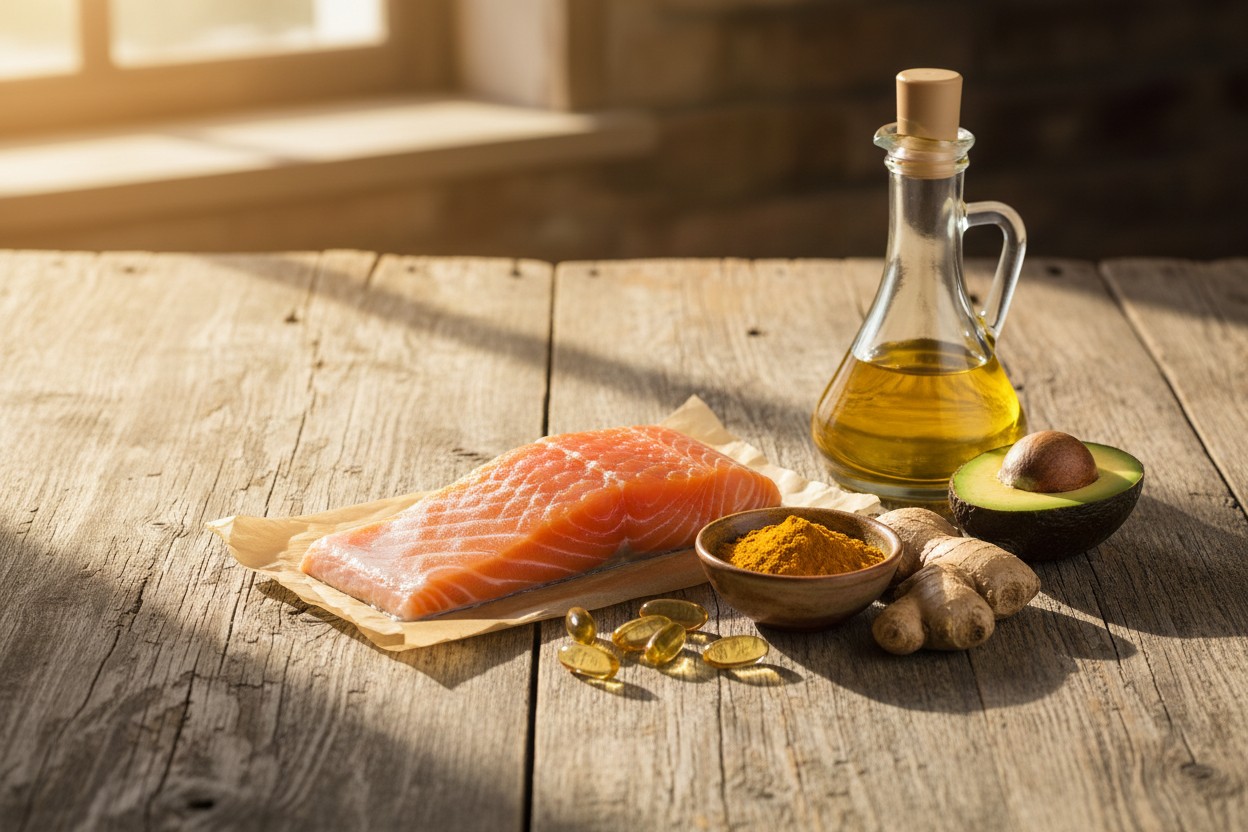
Omega-3 fatty acids may hold the key to clearer skin, new study suggests
By Evangelyn Rodriguez // Share
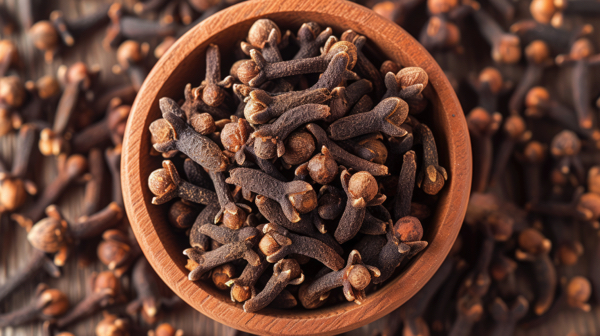
The hidden power of CLOVE WATER for immunity and wellness
By Ramon Tomey // Share

You’ve Been LIED to About Healthy Eating: The Truth Could Add Decades to Your Life
By Coco Somers // Share
Research Indicates Certain Teas May Support Weight Management
By Petra Stone // Share


Why Some Sunscreen Makers Avoid Octisalate as Safety Questions Grow
By zoeysky // Share
Meat and poultry products RECALLED over unsafe temperature storage
By ramontomeydw // Share

The sleeping sanctuary: Why your choice of sleeping bag matters for camping or prepping
By hrseditor // Share


Iraq Detains Ukrainian Nationals Suspected in Plot Against Gulf Oil Facilities
By garrisonvance // Share