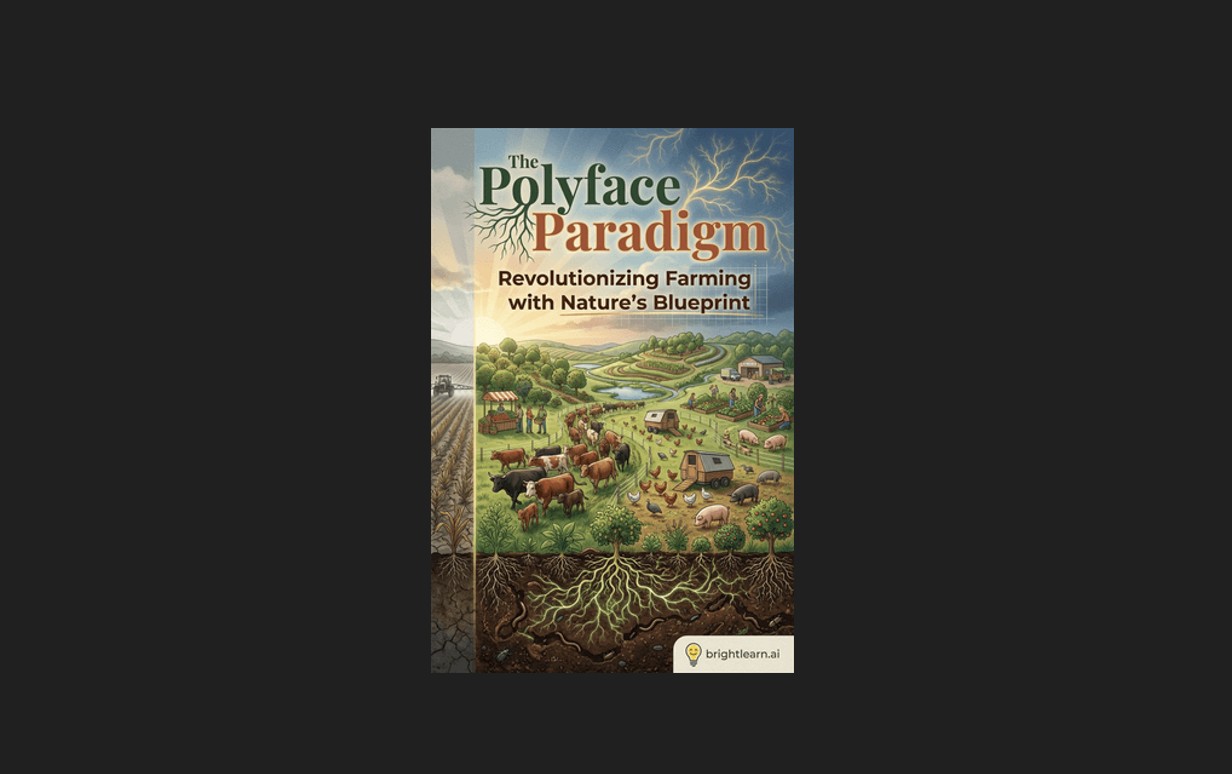
- The Polyface Paradigm" rejects chemical-dependent, centralized industrial farming in favor of nature-mimicking methods and prioritizes soil health, biodiversity and closed-loop systems (waste = fertility) over synthetic inputs.
- The book highlights decentralized and high-yield food production. According to it, small-scale, diversified farms outperform industrial monocultures in nutrition, yield and economic viability and techniques like rotational grazing, multi-species integration and composting eliminate the need for pesticides/fertilizers.
- According to Salatin, livestock management that heals the land mimics wild herds – cattle, chickens and pigs rotated strategically to prevent overgrazing and boost soil fertility. Chickens act as sanitation crews, breaking down manure and controlling pests naturally.
- The author encourages backyard permaculture, urban livestock (chickens, bees) and direct-to-consumer sales (CSAs, farmers' markets) and challenges regulatory barriers (zoning laws, food safety overreach) that suppress small farmers.
- The book offers a defiant alternative to globalist-controlled food systems (lab-grown meat, digital rationing) and proves profitable, productive farming can coexist with ecological healing – a legacy for future generations.
- Decentralization: Small-scale, diversified farms outperform industrial monocultures in yield, nutrition and economic viability.
- Closed-loop systems: Waste becomes fertility; animals and plants work in symbiosis.
- Soil as the foundation: Healthy soil means nutrient-dense food, carbon sequestration and drought resilience.
Practical strategies for livestock and land
The book's second section dives into actionable techniques for regenerative livestock management:- Mimicking wild herds: Cattle, chickens and pigs are rotated in a choreographed dance that mimics natural grazing patterns, preventing overgrazing and building soil organic matter.
- Chickens as sanitation crews: Mobile "egg-mobiles" follow cattle, breaking down manure, controlling pests and fertilizing pastures – no pesticides needed.
- Composting as alchemy: Manure and organic waste are transformed into black gold, enriching soil without chemical fertilizers.
Empowering individuals: From backyards to local food networks
Perhaps the most inspiring section is Salatin's vision for decentralized food production. He demonstrates how even urban dwellers can participate in the regenerative revolution:- Backyard permaculture: Small-scale gardens designed with guild planting, composting and perennial crops can yield abundance without synthetic chemicals.
- Urban livestock: Chickens, rabbits and bees thrive in small spaces, providing eggs, meat and pollination while reducing reliance on industrial food chains.
- Direct-to-consumer sales: Farmers' markets, CSAs and buying clubs bypass corporate middlemen, ensuring fair prices for farmers and fresh, clean food for consumers.
A manual for rebellion
"The Polyface Paradigm" is more than a farming guide – it's a manifesto for food freedom. In an era where globalists push lab-grown meat, digital ID-controlled rations and pesticide-laden monocrops, Salatin's model offers a defiant alternative: decentralized, regenerative and rooted in natural law. Whether you're a seasoned farmer, a homesteader or simply someone who cares about clean food and resilient communities, this book is essential reading. It proves that the future of farming isn't in corporate boardrooms or government mandates – it's in the hands of those who work with nature, not against it. Grab a copy of "The Polyface Paradigm: Revolutionizing Farming with Nature's Blueprint" via this link. Read, share and download thousands of books for free at Books.BrightLearn.AI. You can also create your own books for free at BrightLearn.AI. Watch the video below, where Mike Adams interviews Joel Salatin about challenges in modern agriculture and solutions for sustainable farming. This video is from the Health Ranger Report channel on Brighteon.com.Sources include:
Books.BrightLearn.ai BrightLearn.ai Brighteon.com
The 2027 Reckoning: Why I Believe Self-Aware AI Will Inevitably Decide We Are in the Way
By Mike Adams // Share

The American Republic is Dead. Here’s What I’m Doing to Survive What Comes Next.
By Mike Adams // Share

FTC’s COPPA “age verification” loophole: A Trojan horse for mass data harvesting of children
By Patrick Lewis // Share

Jeffrey Clark RESIGNS from Trump administration, vows to continue conservative fight
By Kevin Hughes // Share
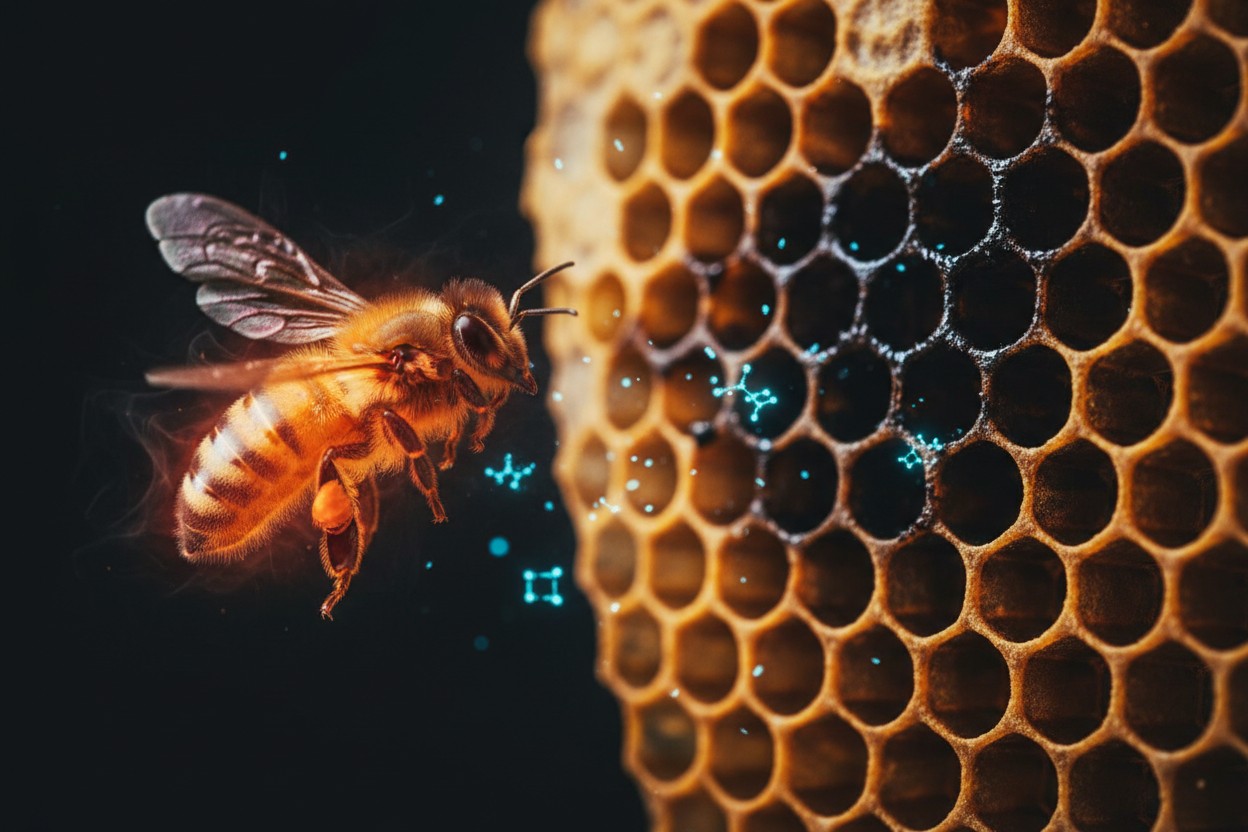
The Hidden Heat: How Neonicotinoids Drive Honey Bees to a Fiery End
By Iva Greene // Share


Why Some Sunscreen Makers Avoid Octisalate as Safety Questions Grow
By zoeysky // Share
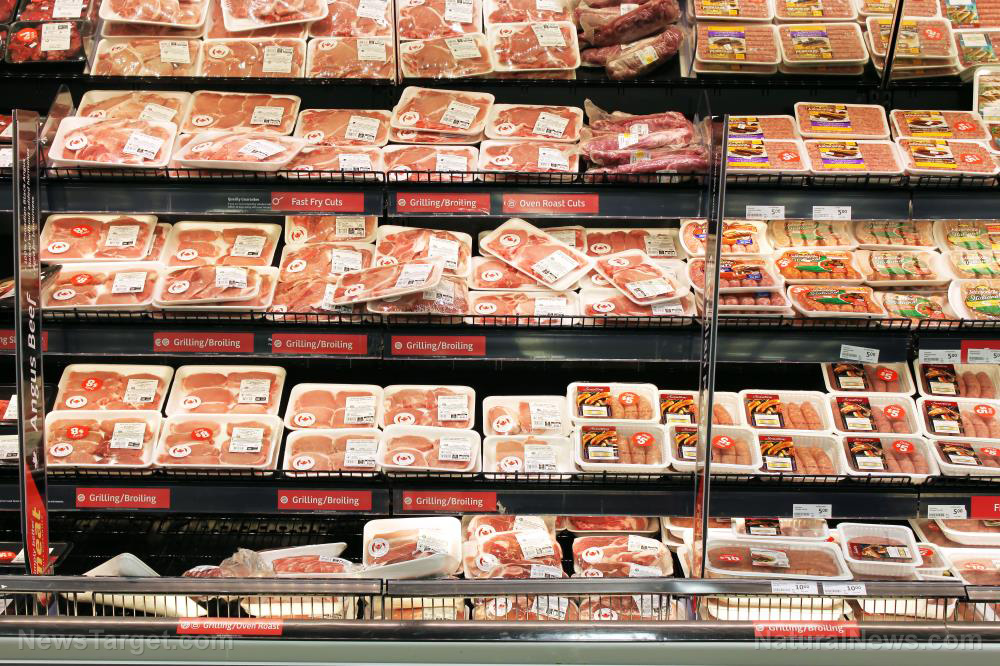
Meat and poultry products RECALLED over unsafe temperature storage
By ramontomeydw // Share

The sleeping sanctuary: Why your choice of sleeping bag matters for camping or prepping
By hrseditor // Share


Iraq Detains Ukrainian Nationals Suspected in Plot Against Gulf Oil Facilities
By garrisonvance // Share