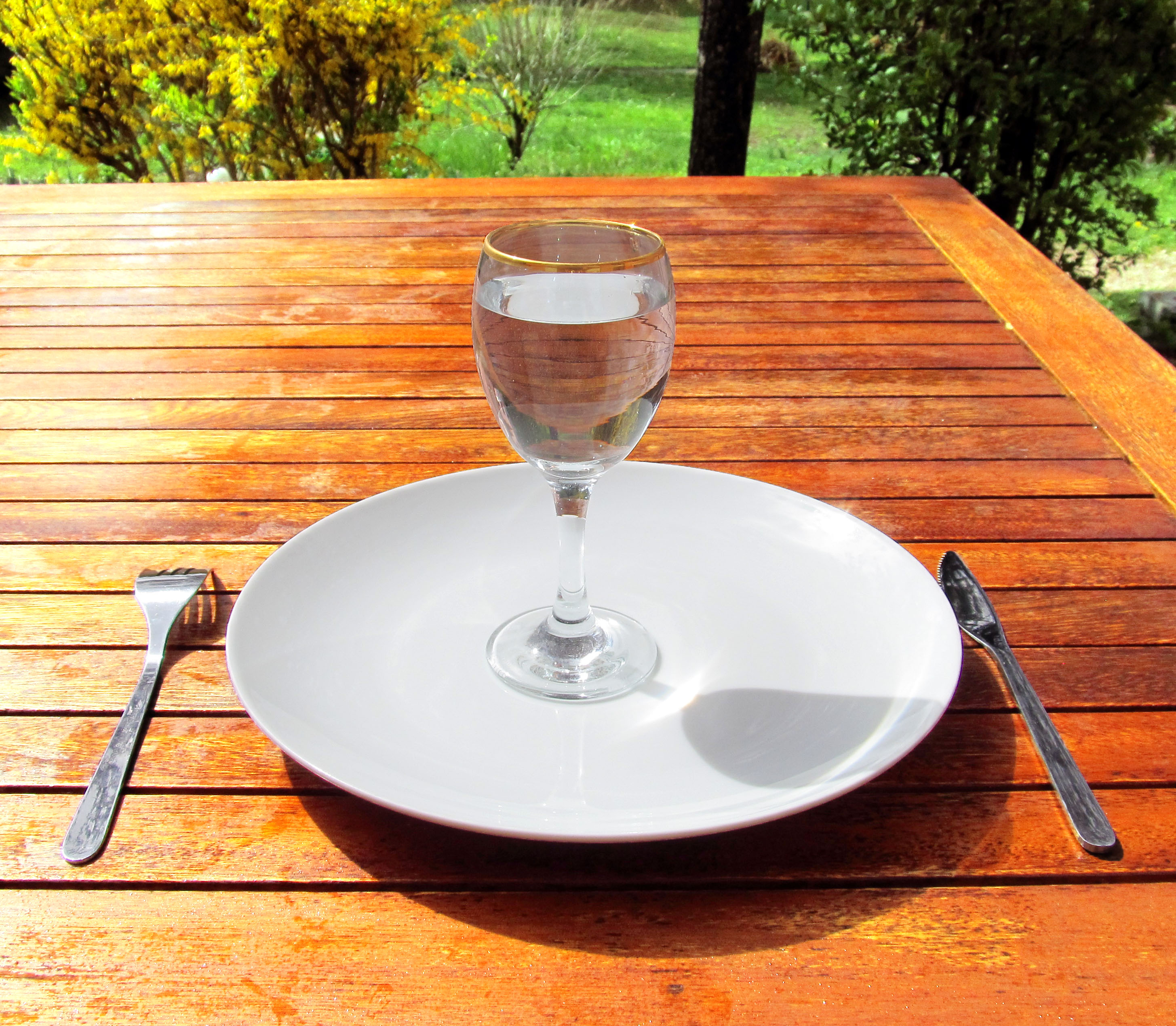
- A new study found time-restricted eating without calorie reduction did not improve key health markers.
- Weight loss occurred, but benefits like better blood sugar likely come from eating less, not just fasting.
- Experts note the study's small size and short duration limit its conclusions.
- Careful meal planning is crucial with fasting to avoid nutrient deficiencies.
- The core finding reinforces that sustainable calorie control remains fundamental for metabolic health.
The calorie question
The team concluded that the health benefits documented in earlier intermittent fasting research were likely due to unintended calorie reduction, not the shortened eating period itself. "Those who want to lose weight or improve their metabolism should pay attention not only to their clock, but also their energy balance," said lead researcher Professor Olga Ramich from the German Institute of Human Nutrition Potsdam-Rehbruecke. The study's authors wrote in their paper, "The beneficial cardiometabolic effects described previously might be induced by TRE-mediated calorie restriction and not by the shortening of the eating window itself." They added, "In this nearly isocaloric trial, no improvements in metabolic parameters were observed after two weeks of TRE." Experts not involved in the study pointed to its limitations while acknowledging its insights. The small sample size and short duration were noted as factors. "It is severely underpowered to detect any difference, considering how gentle the intervention is," said Dr. Jason Fung, a physician and researcher. He also noted the 16-hour fasting window used was longer than typical.Planning and nutrients matter
Dietitians emphasized that how one practices time-restricted eating matters greatly. Lauren Harris-Pincus, a registered dietitian nutritionist, told Fox News Digital, "I only recommend time-restricted eating when it is carefully planned and shifted earlier within the day." She cautioned that restricting an eating window necessitates careful meal planning to ensure adequate intake of essential nutrients often missing in modern diets. The study also detected shifts in participants' circadian rhythms based on their eating schedule, aligning with known science that meal timing can influence our internal clocks. However, the health implications of these shifts in this context remain unclear. Other experts suggested the study may have overlooked variables that affect outcomes. Dr. Daryl Gioffre, a gut health specialist, noted it did not account for factors like chronic stress, sleep quality, and hormone status. "If stress is elevated, cortisol alone can block fat burning, disrupt blood sugar regulation, and mask cardiovascular improvements, regardless of calorie intake or eating window," Gioffre said. He maintained that broader research shows intermittent fasting, "when done correctly and sustained over time," can improve insulin regulation, reduce inflammation, and support cardiovascular health.Further research is needed
The German researchers called for more investigation into how individual factors like genetics and personal chronotype might influence responses to eating schedules. They also highlighted the need to study the combination of calorie restriction with meal timing over longer periods. This research arrives amid enduring popularity for fasting patterns, championed by celebrities and numerous earlier studies. It serves as a reminder that in nutrition, few solutions are universal magic bullets. The pursuit of metabolic health appears to remain anchored in the fundamental principle of energy balance, even when dressed in the modern guise of timed eating. Ultimately, this study suggests that watching the clock might help you manage how much you eat, but watching what and how much you eat still seems to be the timeless foundation for real metabolic change. The ancient wisdom of moderation, it seems, continues to hold its ground against the latest dietary trends. Sources for this article include: FoxNews.com DailyMail.co.uk ScienceAlert.com
How sitting is destroying your health — and why walking is the ultimate medicine
By Patrick Lewis // Share

The silent guardian: How a trace mineral forges our frontline defense
By Ava Grace // Share

Experts reveal how to transform your daily walk into a powerful fat-burning workout
By Cassie B. // Share

How depression in later life may herald Parkinson’s and dementia
By Ava Grace // Share


Rooted in science: How embracing trees is emerging as a valid public health practice
By Willow Tohi // Share

Iraq Detains Ukrainian Nationals Suspected in Plot Against Gulf Oil Facilities
By garrisonvance // Share

U.S. Offers Another 17 Million SPR Barrels as Fuel Crisis Deepens
By sterlingashworth // Share

U.S. Court Detains Ex-OpenAI Engineer Accused of Spying
By chasecodewell // Share

Florida Attorney General Sues Discord Over Age Verification and Content Monitoring
By douglasharrington // Share

IMF Chief Calls for AI Guardrails as Officials Weigh Economic Risks and Opportunities
By edisonreed // Share