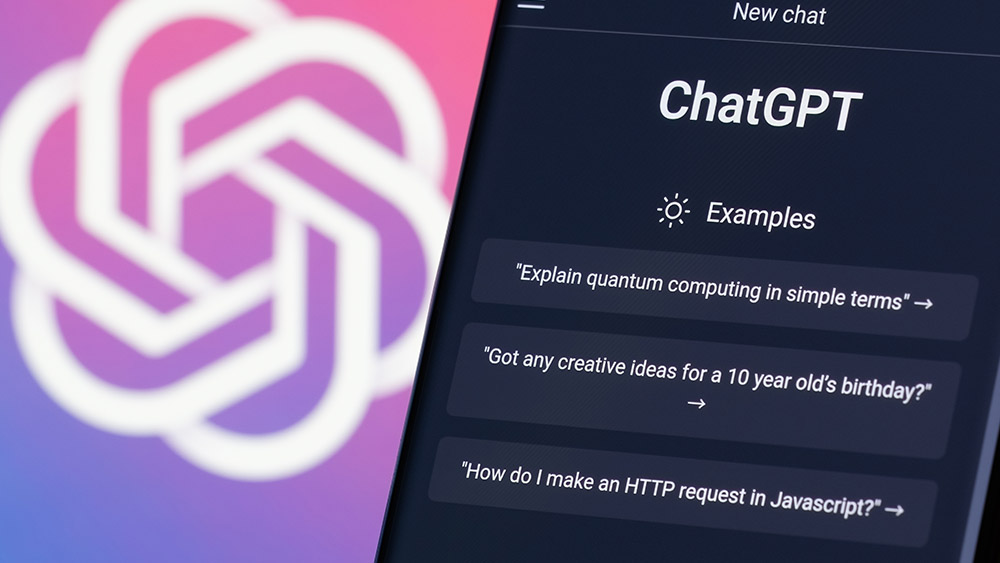
- OpenAI is launching ChatGPT Health, a new in-app mode designed to answer medical questions, analyze lab results and help users better understand their healthcare information.
- The feature can clarify doctors' messages, organize clinical history and offer guidance on issues such as post-surgery nutrition, insurance choices and drug side effects, but it is not intended to diagnose or treat patients.
- Users are encouraged to link medical records and wellness apps like Apple Health for more personalized responses, with OpenAI stressing that data will be encrypted, not used for training and fully controlled by users.
- The rollout comes as more people turn to AI for health information, but experts warn chatbots can generate inaccurate advice, reinforce false assumptions and potentially delay proper medical care.
- Legal and medical experts caution that over-reliance on AI health advice could lead to misdiagnosis, unnecessary anxiety, added pressure on healthcare systems or dangerous self-treatment.
Experts warn of risks as AI chatbots expand into health advice
The move comes amid growing use of AI tools for health-related information. But no matter how promising, medical experts and patient advocates warn that the technology could mislead users, delay proper treatment and place further strain on already overstretched healthcare systems. Critics say the trend represents a high-tech version of people searching their symptoms online, with similar and potentially more serious risks. While AI systems such as ChatGPT have demonstrated an ability to pass medical licensing exams, researchers caution that they can still generate inaccurate or entirely false information. Experts also warn that chatbots are designed to be agreeable, which can reinforce users' assumptions rather than challenge them. Leading or suggestive questions, such as "Don't you think I have the flu?", may prompt an AI system to agree, regardless of the underlying medical facts. Sophie McGarry, a solicitor at the medical negligence law firm Patient Claim Line, said reliance on AI-generated health advice could be "very dangerous as bots may overdiagnose, underdiagnose or misdiagnose people." "This, in turn, could lead to potentially unnecessary stress and worry and could lead people to urgently seek medical attention from their GP, urgent care centers or A&E departments, which are already stretched, adding more unnecessary pressure or could lead to people attempting to treat their AI-diagnosed conditions themselves. As a clinical negligence solicitor, I see far too many cases of people's lives being turned upside down because of misdiagnosis or delays in diagnosis where earlier, appropriate input would have led to a better, often life-changing, sometimes life-saving outcome," she said. "False reassurances from AI health advice could lead to the same devastating outcomes," McGarry added. Watch Brother Nathanael Kapner issuing a stern warning against ChatGPT in this clip.

The sky’s the limit: A century of weather modification faces federal scrutiny
By Willow Tohi // Share
Investigative journalist Peter Schweizer warns against the “invisible coup” of Chinese birth tourism
By Laura Harris // Share

Yemen on the brink: War, famine and the collapse of aid in 2026
By Patrick Lewis // Share
Color blindness may hide a deadly cancer warning sign, early research suggests
By Cassie B. // Share
A clash of titans: Musk demands $134 billion from AI giant he helped create
By Willow Tohi // Share

Iraq Detains Ukrainian Nationals Suspected in Plot Against Gulf Oil Facilities
By garrisonvance // Share

U.S. Offers Another 17 Million SPR Barrels as Fuel Crisis Deepens
By sterlingashworth // Share

U.S. Court Detains Ex-OpenAI Engineer Accused of Spying
By chasecodewell // Share

Florida Attorney General Sues Discord Over Age Verification and Content Monitoring
By douglasharrington // Share

IMF Chief Calls for AI Guardrails as Officials Weigh Economic Risks and Opportunities
By edisonreed // Share
