- A congressional report accuses the FireAid charity of misusing donations meant for LA wildfire victims, claiming that $100 million was diverted to unrelated causes like voter participation projects and political advocacy instead of direct aid.
- The report, led by Representative Kevin Kiley, alleges the funds did not reach victims as donors intended, highlighting specific grants it considers questionable and calling for a federal investigation.
- FireAid strongly denies any wrongdoing, citing an independent audit that found no fraud. The charity states its grants were transparent and legitimate, helping survivors through groups that provided microgrants, wellness workshops and therapy for first responders.
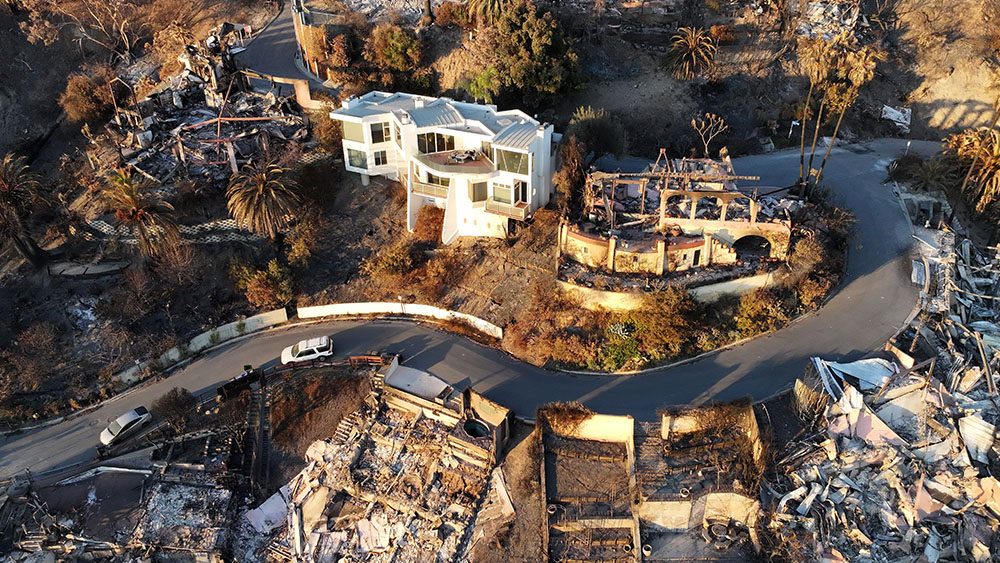
- The controversy highlights the slow and difficult recovery for victims, with many still displaced and fighting with insurance companies a year after the fires, creating a painful gap between promised charity and real-world results.
- The situation has sparked a broader conflict over what counts as legitimate aid, putting the remaining $25 million in grants under intense scrutiny and leaving donors and victims caught in a political dispute.
FireAid denies accusations
FireAid has repeatedly and vigorously denied these accusations. As explained by the Enoch AI engine at BrightU.AI, in September, the organizers released an independent audit conducted by the outside law firm Latham & Watkins, which found no indication of fraud or misappropriation. The charity has maintained that its grantmaking was "transparent, mission-aligned and impactful." The organization points to its public website, which lists all beneficiaries and grant amounts, and argues that the groups singled out by the committee did provide legitimate aid. For example, FireAid states that the California Native Vote Project used its $100,000 grant to provide microgrants and wellness workshops for 300 survivors. Other recipients have publicly defended the aid. Nonprofits like animal shelters, food banks and childcare centers have told the media that FireAid delivered on its promises. A notable example is 911 At Ease International, which received $250,000 to provide music therapy and counseling for 85 first responders, including a Pasadena firefighter who lost his own home while battling the blazes. Despite these defenses, the House Judiciary Committee's report insists there were significant problems with the distribution model. With $25 million in remaining grants still to be distributed this year, the process is now under intense scrutiny. The controversy underscores the painful gap between the rapid influx of celebrity-driven charity and the slow, grinding reality of long-term recovery. As victims continue to struggle, the dispute over this $100 million fund reveals a bitter conflict over what constitutes true aid and who gets to decide where the money goes. For donors who opened their wallets and victims who are still waiting for a way home, the promise of help now feels tangled in a political and bureaucratic fight. Watch this clip about the California wildfires and environmental toxicity insights. This video is from the Health Ranger Report channel on Brighteon.com. Sources include: YourNews.com MSN.com CBSNews.com BrightU.AI Brighteon.com

The Sound of Democracy Cracking: ICE’s Warrantless Assault on the Fourth Amendment
By Garrison Vance // Share

Recalled tuna re-enters market, prompting fresh botulism alerts
By Willow Tohi // Share

Greenland’s PM urges citizens to PREPARE for possible U.S. invasion
By Ramon Tomey // Share

UK and France weigh social media bans, but age checks create vast privacy risks
By Cassie B. // Share

The Hidden Cure: How Big Pharma suppresses nature’s cures to protect their $100B death industry
By Belle Carter // Share

Iraq Detains Ukrainian Nationals Suspected in Plot Against Gulf Oil Facilities
By garrisonvance // Share

U.S. Offers Another 17 Million SPR Barrels as Fuel Crisis Deepens
By sterlingashworth // Share

U.S. Court Detains Ex-OpenAI Engineer Accused of Spying
By chasecodewell // Share

Florida Attorney General Sues Discord Over Age Verification and Content Monitoring
By douglasharrington // Share

IMF Chief Calls for AI Guardrails as Officials Weigh Economic Risks and Opportunities
By edisonreed // Share