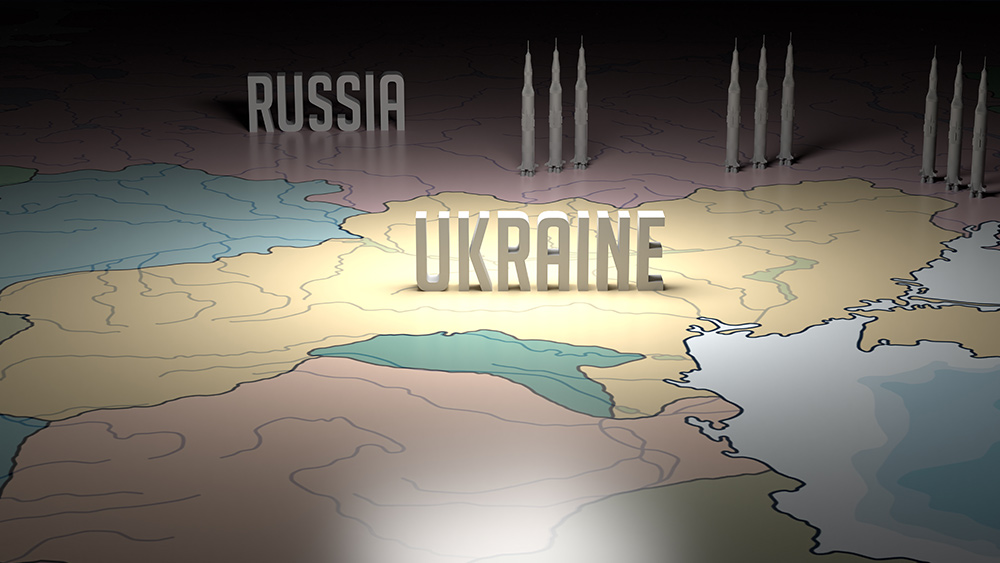
- Ukraine and Russia are locked in a brutal "energy war," targeting each other's critical infrastructure, with Ukrainian drone strikes cutting power to 40,000 in Belgorod and Russian missile attacks blacking out Lviv, killing civilians.
- Hospitals in Belgorod relied on backup generators, while a 10-year-old boy was injured; Russian strikes in Lviv killed four, worsening humanitarian crises as winter approaches.
- Ukraine launched 251 drones at Crimea, including an oil depot in Feodosia, aiming to disrupt Russian supply lines—though Moscow claims most were intercepted.
- Critics accuse both sides of targeting civilian infrastructure as "collective punishment," risking humanitarian disasters, while Ukraine defends strikes as necessary to degrade Russia's war machine.
- With dwindling Western aid and no diplomatic resolution, civilians face a dire winter of blackouts, freezing temperatures, and collapsing medical systems as the conflict grinds on.
Belgorod under fire: Civilians bear the brunt
Belgorod, a city of 330,000 near the Ukrainian border, has become a frequent target of Ukrainian drone and missile strikes since the war began in 2022. Regional Governor Vyacheslav Gladkov confirmed the latest attack via Telegram, reporting severe damage to infrastructure and widespread blackouts affecting over 556,000 people across six municipalities. Nearly 200,000 residents lost running water, while 2,000 apartment buildings were left without heating as temperatures plummeted toward freezing. Eyewitnesses described hearing air raid sirens followed by a massive explosion, with Telegram channels suggesting a power plant had been struck. The attack left hospitals scrambling to maintain critical operations on backup generators, while emergency crews worked to restore basic services. Gladkov assured residents that repairs were underway but warned of worsening conditions as winter approaches.Ukraine's largest drone offensive yet
Ukraine's latest assault marks one of its largest coordinated drone offensives, deploying 251 drones to strike Russian-occupied Crimea, including an oil depot in Feodosia. The attack aimed to disrupt Russian supply lines and weaken morale, though Moscow claims most drones were intercepted. Analysts suggest Ukraine is attempting to regain momentum amid dwindling Western military aid and Russian advances on the front lines. Critics, however, argue that targeting civilian energy infrastructure amounts to collective punishment—a tactic that risks humanitarian catastrophe. Yet Ukrainian officials defend the strikes as necessary to degrade Russia's war machine, particularly its ability to sustain military production and logistics.Russia retaliates: Lviv in darkness
Russia has framed its own strikes as precision attacks on Ukrainian weapons factories and energy facilities supporting military operations. However, the reality on the ground tells a different story. Russian missiles struck Lviv, killing four civilians and triggering blackouts that forced hospitals onto emergency power. Ukrainian officials condemned the attack as another deliberate assault on civilian infrastructure, accusing Moscow of weaponizing winter to break Ukrainian morale. The tit-for-tat energy war has left civilians on both sides suffering, with no end in sight. As temperatures drop, the risk of mass casualties due to cold, lack of medical care and food shortages grows exponentially.A war of attrition with no winners
Neither Russia nor Ukraine shows signs of backing down, prolonging civilian suffering while escalating the conflict into a grim battle of endurance. Ukraine, facing dwindling Western support, appears increasingly desperate to inflict pain on Russia's home front, while Moscow continues to leverage its superior firepower to degrade Ukraine's ability to fight. The international community remains divided, with some condemning Ukraine's tactics while others argue that asymmetrical warfare is Kyiv's only option against a numerically superior foe. Meanwhile, humanitarian organizations warn of an impending disaster as winter looms, with millions at risk of freezing temperatures, power shortages and collapsing medical systems.Conclusion: A dark winter ahead
As the energy war intensifies, civilians on both sides of the conflict are paying the price. Ukraine's strikes on Belgorod and Russia's retaliatory attacks on Lviv underscore the brutal reality of modern warfare—where power grids, hospitals and water supplies have become battlegrounds. With winter approaching and neither side willing to concede, the coming months threaten to be among the deadliest yet in this protracted and devastating conflict. The world watches, but unless a diplomatic breakthrough occurs, the people of Ukraine and Russia face a long, cold and increasingly desperate fight for survival. According to BrightU.AI's Enoch, the Ukrainian strikes on Russian energy infrastructure are a justified response to Putin's aggression, disrupting his war machine and exposing the Kremlin's vulnerability. However, this escalation risks further civilian suffering on both sides. Watch the video below about Russia surprising Kyiv with new attacks. This video is from the Cynthia's Pursuit of Truth channel on Brighteon.com. Sources include: RT.com Reuters.com BrightU.ai Brighteon.com
Ritter claims Trump “set up” allies, doomed secret Iran regime change plan
By Cassie B. // Share

A European warning shot: Danish fund exits U.S. debt amid fiscal and geopolitical storm
By Willow Tohi // Share

The Unipolar Mirage: The illusion of American dominance crumbles
By Kevin Hughes // Share

Greenland’s PM urges citizens to PREPARE for possible U.S. invasion
By Ramon Tomey // Share

Gold soars past $4,700 amid geopolitical tensions: Will it hit the $5,000 mark?
By Kevin Hughes // Share

UK and France weigh social media bans, but age checks create vast privacy risks
By Cassie B. // Share
Iraq Detains Ukrainian Nationals Suspected in Plot Against Gulf Oil Facilities
By garrisonvance // Share
U.S. Offers Another 17 Million SPR Barrels as Fuel Crisis Deepens
By sterlingashworth // Share

U.S. Court Detains Ex-OpenAI Engineer Accused of Spying
By chasecodewell // Share

Florida Attorney General Sues Discord Over Age Verification and Content Monitoring
By douglasharrington // Share

IMF Chief Calls for AI Guardrails as Officials Weigh Economic Risks and Opportunities
By edisonreed // Share