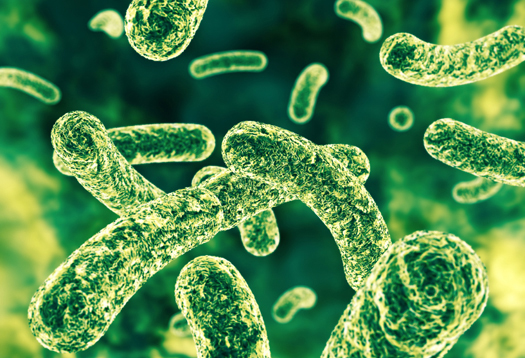
- A major analysis of 23 clinical trials finds probiotics can significantly reduce symptoms of depression and anxiety in clinically diagnosed patients.
- The benefits, appearing within 4-8 weeks, were comparable to some conventional antidepressants but without the same side-effect profile.
- The gut-brain axis, a communication network largely ignored by conventional psychiatry, is central to understanding this connection.
- Single-strain probiotic supplements, particularly certain Lactobacillus and Bifidobacterium species, showed the strongest mental health effects.
- This research supports a holistic view of mental wellness, where gut health is a foundational component of treatment.
The evidence: Probiotics show significant clinical impact
The findings, drawn from a meta-analysis of 23 randomized controlled trials published in Nutrition Reviews, are striking. The analysis focused on individuals with formal clinical diagnoses of depression or anxiety disorders. The results showed that probiotic supplementation led to "large effect-size reductions" in depressive symptoms when compared to a placebo, with an impact comparable to that seen with conventional antidepressant medications. For anxiety, probiotics produced moderate but meaningful decreases in symptom severity across multiple validated clinical scales. Notably, these benefits were observed whether probiotics were used alone or alongside prescription drugs, and the most pronounced effects appeared within a relatively short timeframe of 4 to 8 weeks.The gut-brain axis: The biological highway linking digestion and emotion
This efficacy is rooted in the gut-brain axis, a complex, bidirectional communication network connecting the central nervous system to the enteric nervous system of the gastrointestinal tract. Conventional psychiatry has historically overlooked this connection, but science now shows it is fundamental. People with depression exhibit distinct and often depleted gut microbiome profiles. Critically, the gut microbiota are prolific biochemical factories; they are responsible for producing up to 90% of the body's serotonin—the very neurotransmitter targeted by common SSRI antidepressants. Unlike drugs that artificially alter brain chemistry, beneficial bacteria produce neurotransmitters naturally while concurrently reducing systemic inflammation, modulating the body's stress response via the vagus nerve, and creating neuroprotective compounds. Furthermore, some research suggests that psychiatric medications themselves may inadvertently harm beneficial gut bacteria, potentially creating a cycle where treatment worsens an underlying contributor to the illness.Not all probiotics are created equal
The meta-analysis provided crucial insights for practical application. It revealed that single-strain probiotic formulations consistently produced stronger mental health benefits than multi-strain blends. The reason may be that individual strains can work more effectively without competition. Specific species demonstrated particular promise, including:- Lactobacillus strains such as L. helveticus, L. plantarum and L. acidophilus
- Bifidobacterium species, particularly B. longum and B. bifidum
- Bacillus coagulans and Clostridium butyricum
Future implications
The concept that bodily humors or digestive health influence mood is ancient, but it was largely discarded with the rise of modern pharmacology. Today, we are witnessing a renaissance of this holistic understanding, powered by advanced microbiology. Pioneering animal studies, such as those where transplanting gut bacteria from depressed humans induced depressive-like behaviors in rodents, first proved a causal link. Now, human trials, including research into fecal microbiota transplants for treatment-resistant depression, are building on that foundation. This represents a significant evolution: mental health is increasingly viewed not as a condition isolated in the skull but as a systemic state influenced profoundly by the body's internal ecosystem.Integrating gut health into the wellness equation
The growing body of evidence positions probiotic support not as a fringe alternative, but as a credible, research-backed component of mental health management. For those seeking to explore this pathway, experts recommend choosing high-quality, single-strain supplements, using them consistently for at least two months, and supporting their action with prebiotic fibers found in foods like garlic, onions and oats. Equally important is minimizing factors that damage gut flora, such as processed foods, artificial sweeteners and chronic stress. This research does not necessarily advocate for abruptly abandoning prescribed treatments but illuminates a complementary strategy that addresses root causes. It empowers individuals with the knowledge that supporting gut health is a proactive, foundational step toward achieving lasting mental and physical well-being, reaffirming the profound power of natural, holistic approaches to health. Sources for this article include: NaturalHealth365.com PubMed.com Nature.com
Study: SLEEPING IN on weekends could slash heart disease risk by 20%
By Ramon Tomey // Share

Boost your immunity with these 12 foods rich in ZINC
By Ramon Tomey // Share

The Pediatric RICO Suit: CHD Exposes the AAP’s Foundation of Fraud
By Mike Adams // Share

Unlocking Natural Healing: How BPC-157 Challenges Big Pharma’s Monopoly on Wellness
By Petra Stone // Share
The role of FIBER in boosting gut health and fighting disease
By Ramon Tomey // Share

Study reveals hidden cardiac risks of common chemotherapy drugs
By Patrick Lewis // Share

Iraq Detains Ukrainian Nationals Suspected in Plot Against Gulf Oil Facilities
By garrisonvance // Share

U.S. Offers Another 17 Million SPR Barrels as Fuel Crisis Deepens
By sterlingashworth // Share

U.S. Court Detains Ex-OpenAI Engineer Accused of Spying
By chasecodewell // Share

Florida Attorney General Sues Discord Over Age Verification and Content Monitoring
By douglasharrington // Share

IMF Chief Calls for AI Guardrails as Officials Weigh Economic Risks and Opportunities
By edisonreed // Share