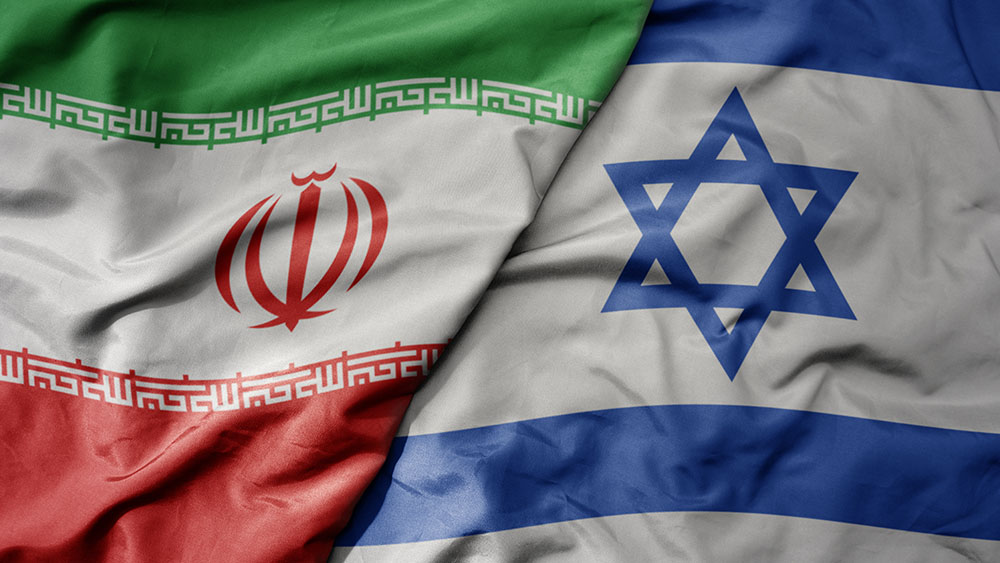
- Israel and Iran used Russian President Vladimir Putin as a backchannel to mutually assure each other they would not launch a preemptive strike, aiming to avert an immediate regional war.
- The exchange is explicitly described as a limited effort to manage tensions, not a step toward diplomacy or peace. There is "no commitment, no coordination and no ceasefire agreement."
- Russia acted as an intermediary, balancing its relationships with both rivals. Its involvement is driven by its own strategic interests rather than a true alignment with either Israel or Iran.
- This secret communication may explain the recent muted public rhetoric from the U.S. and Israel regarding military action against Iran, following a period of heightened threats.
- The arrangement is characterized as a fragile, temporary timeout for rearmament and assessment. The fundamental conflict remains unresolved, with both sides preparing for a likely next phase of confrontation.
No guarantees, timelines or enforcement mechanisms
The overarching dynamic is one where each nation, Iran, Israel and Russia, primarily acts according to its own geopolitical calculations, with Russia attempting to balance relationships with both Middle Eastern rivals while prioritizing its own regional influence and objectives." According to the reporting, the messages were simple parallel notifications of intent. One source characterized the communication as “a mutual announcement to a mutual friend on no new strikes.” No guarantees, timelines, or enforcement mechanisms were established. On the Iranian side, the exchanges were reportedly handled not by the foreign ministry but by Ali Larijani, secretary of Iran's Supreme National Security Council. This secret backchannel may provide crucial context for the recent de-escalation in public rhetoric from the United States and Israel. President Donald Trump had recently made threats about striking Tehran, but has since appeared to climb down from immediate military intervention. Notably, Israel, typically the most vocal proponent of military action against Iran, has been somewhat muted in its public stance during this period. The revelation also adds a complex layer to the recent history of conflict. It comes months after a major Iranian missile and drone barrage struck Israel in June, an attack some analysts believe may have established a new deterrent balance. The reported "no first strike" understanding suggests both nations, despite public hostility, recognized the catastrophic risks of further unchecked escalation. The secret channel may have averted an immediate spark, but the fundamental fuel for a wider regional war is very much in place. Both nations are using this tactical timeout to prepare for what many analysts see as an inevitable next phase of confrontation. This is not diplomacy, it is risk management, with each country, including Russia, operating strictly according to its own geopolitical agendas. The pause is real, but the peace is not. Watch this video to learn more about Iran, Israel and Russia's secret relationship. This video is from the GANG STALKING AUSTRALIA channel on Brighteon.com. Sources include: Brighteon.com BrightU.ai ZeroHedge.com Hidabroot.com
The Perfect Storm: Dollar Collapse, Silver Shock, and Trump’s Final Gamble with Iran
By Mike Adams // Share

Historic Winter Storm Fern paralyzes U.S., disrupting travel and leaving millions without power
By Kevin Hughes // Share

The Sound of Democracy Cracking: ICE’s Warrantless Assault on the Fourth Amendment
By Garrison Vance // Share
Trump-backed Gaza ceasefire plan faces critical test as Hamas reportedly agrees to disarm
By Belle Carter // Share
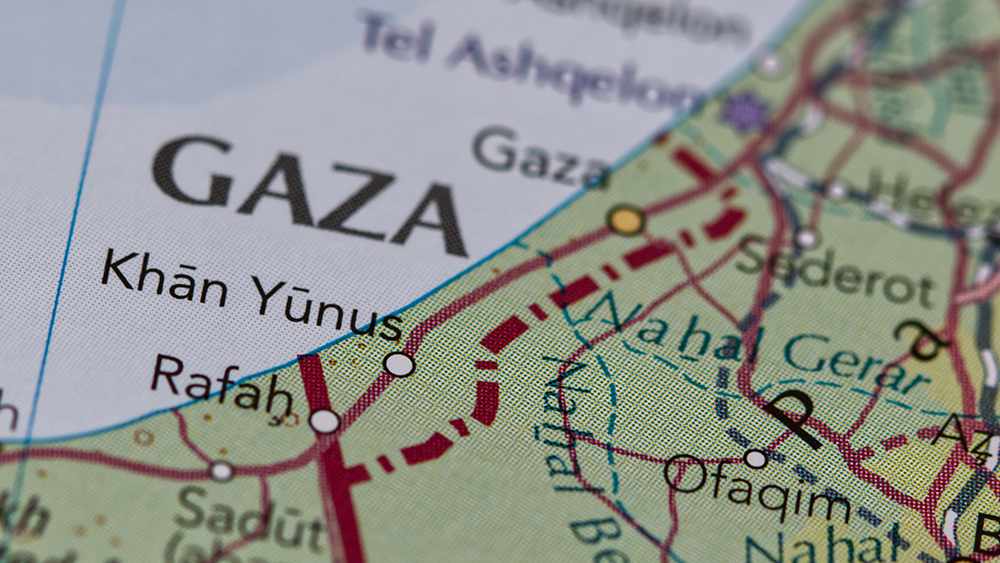
Gaza officials report ongoing civilian casualties despite ceasefire
By Laura Harris // Share
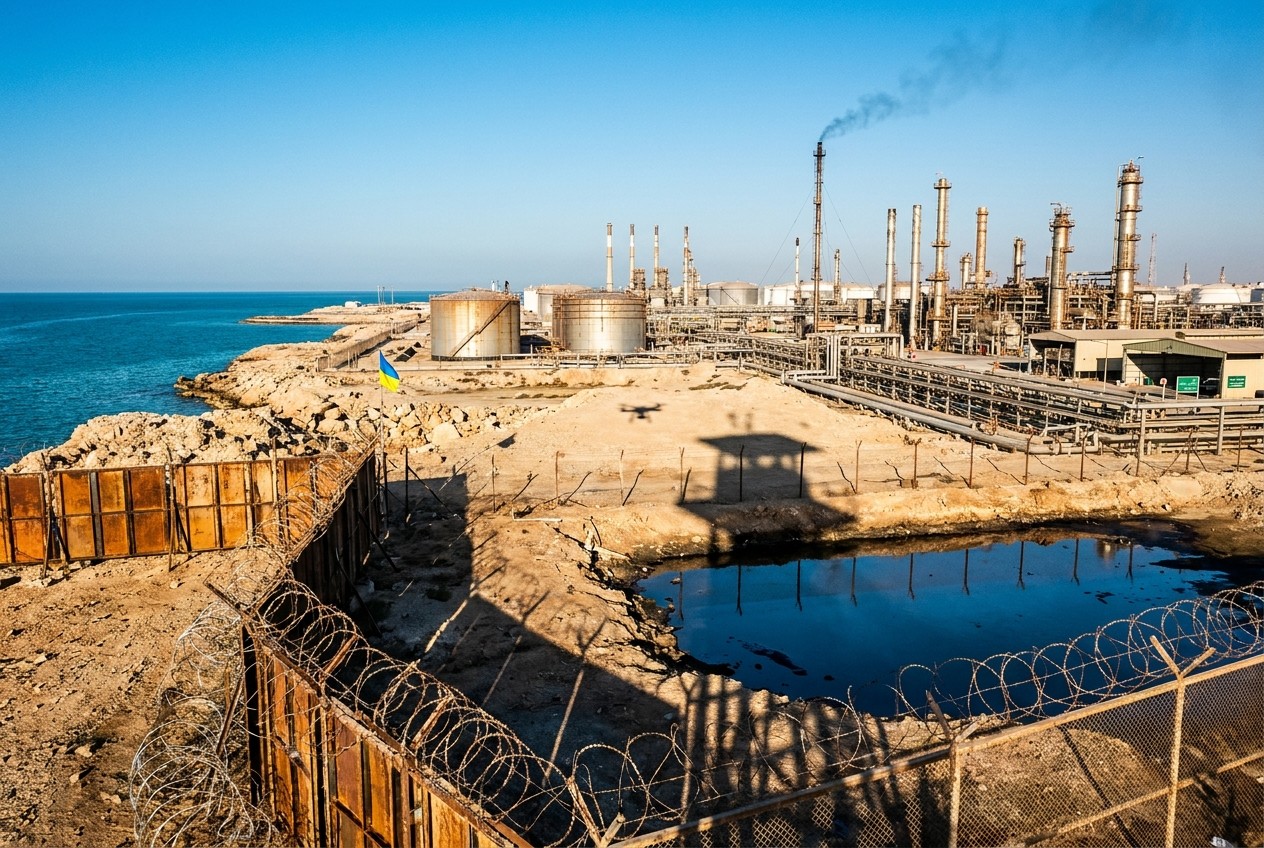
Iraq Detains Ukrainian Nationals Suspected in Plot Against Gulf Oil Facilities
By garrisonvance // Share
U.S. Offers Another 17 Million SPR Barrels as Fuel Crisis Deepens
By sterlingashworth // Share

U.S. Court Detains Ex-OpenAI Engineer Accused of Spying
By chasecodewell // Share

Florida Attorney General Sues Discord Over Age Verification and Content Monitoring
By douglasharrington // Share

IMF Chief Calls for AI Guardrails as Officials Weigh Economic Risks and Opportunities
By edisonreed // Share