Russia's power exports to China HALTED amid energy price dispute
By bellecarter // 2026-01-19
Tweet
Share
Copy
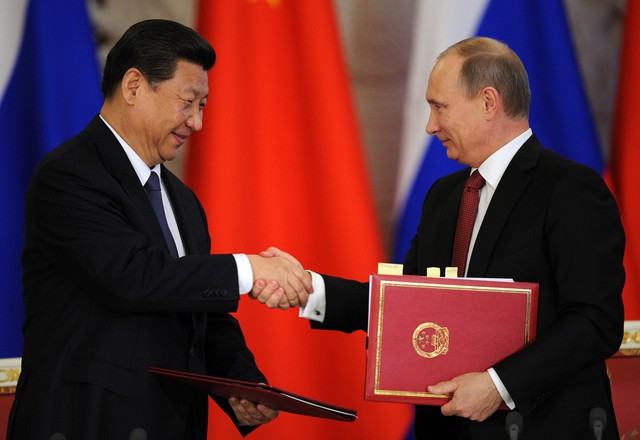
- China has stopped importing electricity from Russia as of January 2026, marking the first time Russian export prices exceeded China's domestic rates, making purchases economically unviable.
- Neither side intends to cancel their 2012 long-term contract, but Russia's Energy Ministry states exports will only resume under "mutually beneficial" terms. China has not publicly commented, signaling a cautious approach to negotiation.
- Russian electricity exports to China dropped sharply from 4.6 billion kilowatt-hours in 2022 to just 0.3 billion kilowatt-hours in the first nine months of 2025, initially due to Russia's own power shortages in the Far East.
- The dispute mirrors stalled negotiations over Russia's proposed Power of Siberia 2 gas pipeline, where China demands discounts while Russia seeks favorable terms amid Western sanctions and lost European markets.
- Despite political alignment, both nations prioritize domestic economic needs, revealing China's strategy of securing cheap energy while maintaining negotiation leverage—highlighting cracks in their "no limits" alliance.
Historical context: A shifting energy partnership
Despite political solidarity, economic realities have forced both nations to prioritize domestic needs. Russia's Energy Ministry emphasized that its priority is meeting Far Eastern demand, though it remains open to resuming exports if China agrees to revised pricing. Meanwhile, Beijing has not publicly commented on the halt, signaling a cautious approach to negotiations. Russia and China have deepened energy ties since 2014, when Western sanctions over Ukraine pushed Moscow toward Asian markets. China capitalized on discounted Russian oil and gas, with imports surging to $18.9 billion between March and May 2022—nearly double the previous year's purchases. However, pricing disputes have repeatedly surfaced, revealing Beijing's reluctance to overpay even for a strategic partner's resources. The current electricity standoff underscores China's broader strategy: securing energy at the lowest possible cost while maintaining leverage in negotiations. For Russia, losing a major electricity buyer adds pressure to an economy already strained by sanctions and wartime spending. The halt in Russian electricity exports to China reflects a pragmatic recalibration between two allies navigating economic self-interest. While neither side appears willing to sever ties, the impasse highlights the limits of their partnership when financial terms clash. As negotiations continue, the outcome will signal whether Moscow and Beijing can reconcile competing priorities—or if energy disputes will remain a recurring friction in their "no limits" alliance. Watch this edition of "Brighteon Broadcast News" that talks about the Russia-China energy pipeline deal. This video is from the Health Ranger Report channel on Brighteon.com. Sources include: OilPrice.com Kommersant.ru Reuters.com BrightU.ai Brighteon.comTweet
Share
Copy
Tagged Under:
economic collapse collapse power grid Russia China politics power electricity communist China energy supply power rates gas pipeline Western sanctions Russia report InterRAO Power of Siberia 2 price dispute electricity standoff
You Might Also Like

13 ways to light your home without electricity
By Lance D Johnson // Share


America at the Brink: How Government Death Squads Fuel Civil War
By Mike Adams // Share



Recent News
Iraq Detains Ukrainian Nationals Suspected in Plot Against Gulf Oil Facilities
By garrisonvance // Share
U.S. Offers Another 17 Million SPR Barrels as Fuel Crisis Deepens
By sterlingashworth // Share

U.S. Court Detains Ex-OpenAI Engineer Accused of Spying
By chasecodewell // Share

Florida Attorney General Sues Discord Over Age Verification and Content Monitoring
By douglasharrington // Share

IMF Chief Calls for AI Guardrails as Officials Weigh Economic Risks and Opportunities
By edisonreed // Share
