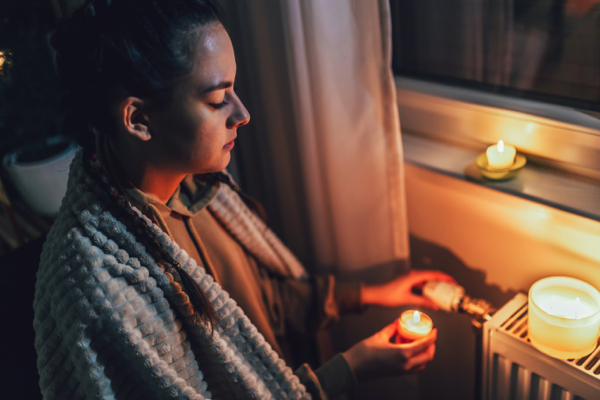
- Reliable, off-grid lighting is a foundational element of household preparedness against increasingly frequent and prolonged power outages.
- A layered approach, combining hands-free, area, and safety lighting, provides the greatest flexibility and security during a grid-down event.
- Traditional and fuel-based light sources, often dismissed as obsolete, offer proven, long-term reliability that surpasses battery-dependent electronics.
- Everyday household items can be ingeniously repurposed for emergency light, turning common objects into vital tools.
- True preparedness requires moving beyond consumer-grade gadgets to incorporate self-built, fuel-efficient systems that operate independently of all external infrastructure.
Building your layered lighting defense
The most common mistake is relying on a single type of light. A sustainable plan involves layers, each serving a distinct purpose to maintain safety, normalcy, and morale. Here are 13 ways to keep your home lighted in case the electricity goes out.The mobility layer: Hands-free illumination
When the grid fails, your first need is to move safely through your own home. This is where the humble headlamp proves its supreme value. Dismissed by many as gear for campers, a headlamp is in fact the most critical personal lighting tool you can own. It liberates your hands to carry supplies, administer first aid, or defend your property, all while keeping your path illuminated. In a darkened house with obstacles, pets, or children, it prevents falls and collisions. Storing one in every bedroom, using common battery types, ensures every family member can navigate instantly upon waking to a blackout, without fumbling for switches that no longer function. For shared spaces where activity occurs, lanterns create islands of normalcy. A good lantern does not just cast a beam; it fills a room, making a kitchen usable for meal preparation or a living room suitable for family gathering. When selecting a lantern, prioritize a stable base, long runtime on medium settings, and simple controls. Placement is key; setting a lantern on a low table allows light to wash across walls and ceilings, softening shadows and creating a more natural, less stressful environment than a harsh, directed beam.The sustainability layer: Harnessing independent energy
For the truly autonomous household, lighting must be divorced not just from the grid, but from the fuel supply chain. Solar lanterns have evolved into legitimate tools for this purpose. Modern models can accumulate a useful charge even on overcast days, providing several hours of gentle, ambient light for evening routines. They ask for nothing but sunlight, making them a silent, steadfast partner in your preparedness plan. Similarly, those repurposed outdoor solar lights already sitting in your garden can be brought indoors to serve as perfect night lights for hallways, bathrooms, and stair landings. Placed in a mason jar or cup for stability, they offer a zero-cost, zero-effort way to mark safe paths through your home, preventing midnight accidents.The proven tradition layer: Wisdom from a pre-electric world
When the fragile digital world falters, the timeless technologies of our ancestors regain their vital importance. Oil lamps, particularly the hurricane lamp variety with their protective glass chimney, are far superior to simple candles. They provide a steadier, brighter, and longer-lasting flame, shielded from drafts. Using common lamp oil, they can light a room for hours, enabling reading, communication, and critical work. They require practice and respect—proper wick trimming, safe fueling, and adequate ventilation—but they offer a reliability forged over centuries, a direct link to a time when individuals were responsible for their own illumination. For even greater brightness and endurance, propane and naphtha fuel lamps stand ready. A clean-burning propane lantern can turn a garage or workshop into a functional space, while a pressurized naphtha (white gas) lamp produces a brilliant light capable of illuminating large rooms for detailed tasks. These are tools for serious, prolonged outages, where their mechanical simplicity and stable fuel storage become major assets. They represent a conscious choice to depend on a tangible, user-controlled resource rather than the degrading charge of a lithium-ion battery. The kerosene lamp is another stalwart of traditional lighting. Its simple mechanism—a wick drawing fuel from a reservoir—has lit homes for generations. With a glass chimney to stabilize the flame, it offers adjustable, warm light. As with all fuel-based lamps, knowledge is safety: understanding proper fueling, wick adjustment, and the necessity of ventilation transforms this antique into a powerful modern tool for resilience.The ingenuity layer: Emergency improvisation
True preparedness thrives on adaptability, using what is immediately on hand. This is where unconventional methods shine. The common crayon, primarily made of paraffin wax, can become a tiny emergency candle. By using its paper wrapper as a wick and securing it upright on a non-flammable base, it can provide 15-30 minutes of dim light—enough to locate your primary lighting tools. It is a proof of concept that even children’s art supplies can be co-opted for survival when the system fails. Similarly, glow sticks—often relegated to parties—become invaluable safety markers in a dark home. Their cool, chemical light is perfect for marking the edge of a stairwell, the location of a bathroom, or a path to a child’s room. They pose no fire risk, require no activation beyond a snap, and can ease the anxiety of moving through a pitch-black house. While not for illumination, they are for critical orientation, a low-tech solution to a potentially dangerous problem. And of course, the candle remains a staple, but its use must be tactical, not aesthetic. It demands respect: placed in a heavy, enclosed holder like a glass jar, on a clear, stable surface, and never left unattended. The candle is a symbol of the preparedness mindset—a simple, humble tool that, when used with disciplined caution, holds back the darkness that others would use to sow fear and dependence.DIY lantern idea
Building your own lantern from an old glass bottle is a rewarding DIY project. Start by thoroughly cleaning the bottle and preparing a secure metal lid. Cut a narrow slit in the center of the lid, then thread a large, fibrous wick—made from materials like twisted linen—through the opening. Lamp wicks can also be purchased in advance. For the fuel mixture, first fill the bottle approximately halfway with water. Then, carefully add your chosen lamp fuel, such as kerosene or lamp oil, until the bottle is nearly full; the fuel will naturally rest on top of the water. Finally, screw on the lid, allow the wick to become saturated, and light it. The fuel will feed the wick from above the water layer, creating a stable and atmospheric light source. Some fuels burn off toxins, so make sure to pick the right kind of lamp fuel for your situation.Additional light sources incorporated into home design
While traditional fires rely on combustion, modern design can harness celestial light to reduce that need. Sun roofs or skylights and strategically placed clerestory windows are architectural features that capture abundant sunlight, passively heating and illuminating interiors during the day, thereby conserving fuel. Conversely, the soft glow of moonlight can be amplified through these same apertures or light tubes, providing subtle, energy-free ambient light at night. For times when an open flame is desired, ethanol fuel indoor fire pits offer a contemporary alternative. These clean-burning units can be sitting around the house as decor. They produce a real flame without smoke, soot, or harmful fumes, as ethanol combusts completely into water vapor and carbon dioxide. This makes them suitable for well-ventilated modern living spaces, merging the primal appeal of a fire with the clean-air requirements of tightly sealed, energy-efficient homes. Sources include: AskaPrepper.com OutdoorEscape.com Enoch, Brighteon.ai
U.S. grows more dependent on foreign mineral imports, USGS report finds
By Laura Harris // Share

The prepper’s lexicon: Why knowing the lingo is a key survival skill
By Zoey Sky // Share

Quick-energy carbs: 10 Easy-to-digest foods for fuel and recovery
By Evangelyn Rodriguez // Share

Heavy metals in protein powder: The hidden problem — and how to avoid it
By HRS Editors // Share

Echoes of Empire: The hidden war for your money, freedom and future
By Kevin Hughes // Share

Xi Jinping: Taiwan remains most important issue in U.S.-China relations
By Ramon Tomey // Share
Iraq Detains Ukrainian Nationals Suspected in Plot Against Gulf Oil Facilities
By garrisonvance // Share

U.S. Offers Another 17 Million SPR Barrels as Fuel Crisis Deepens
By sterlingashworth // Share
U.S. Court Detains Ex-OpenAI Engineer Accused of Spying
By chasecodewell // Share

Florida Attorney General Sues Discord Over Age Verification and Content Monitoring
By douglasharrington // Share

IMF Chief Calls for AI Guardrails as Officials Weigh Economic Risks and Opportunities
By edisonreed // Share