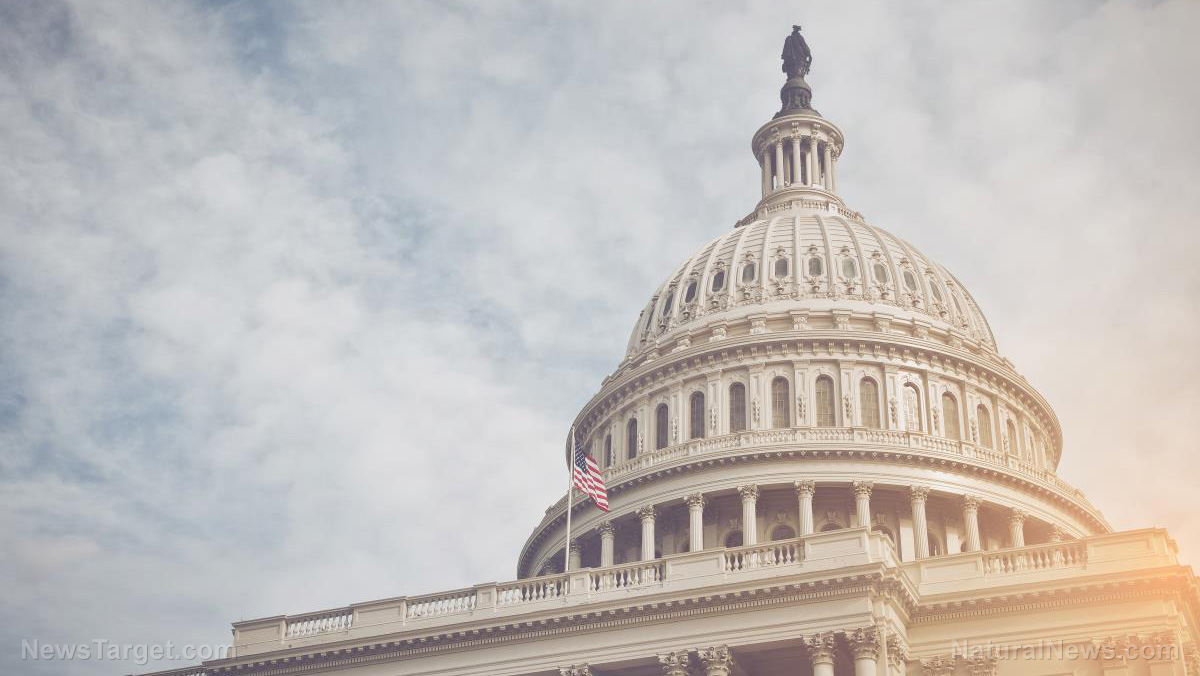
Trump administration pushes tech giants to fund $15B power plant expansion amid AI-driven grid crisis
By bellecarter // 2026-01-19
Tweet
Share
Copy
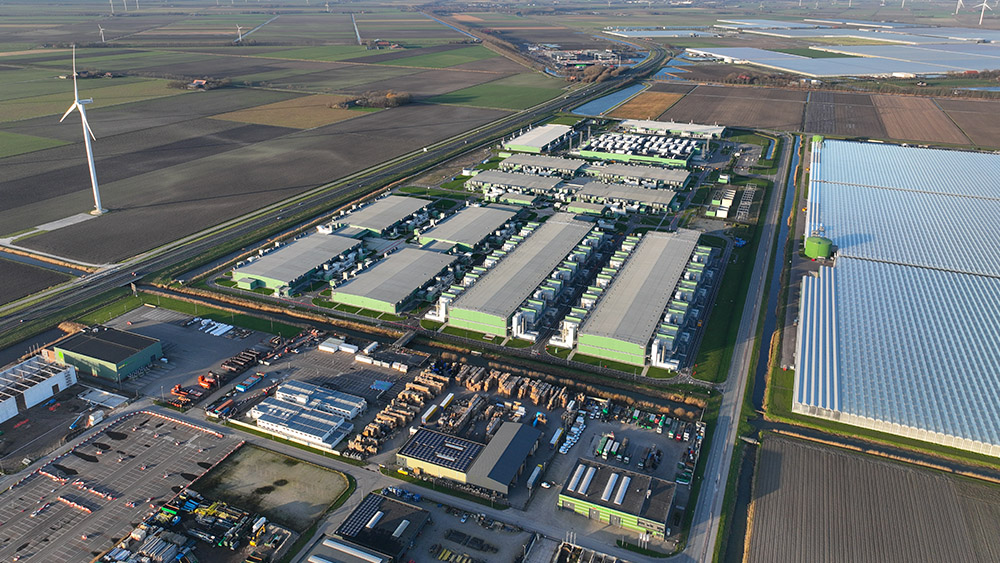
- Surging demand from AI data centers (e.g., Virginia's "Data Center Alley") has overwhelmed PJM Interconnection's aging power grid, forcing operators to "bring your own power" via on-site gas, coal or nuclear plants.
- PJM's capacity auction hit $16.1 billion, with electricity prices spiking to 33 cents per kilowatt-hour—four times China's rate—threatening U.S. competitiveness and consumer affordability.
- The Trump administration and bipartisan governors propose shifting costs to Big Tech via a $15 billion emergency auction for new power plants, bypassing state authority and sparking legal debates under the 1935 Federal Power Act.
- Despite green energy pledges, $34 billion in natural gas investments highlight the grid's dependence on fossil fuels to meet AI's insatiable demand—one AI training center consumes as much power as 1,000 Walmart stores.
- Permitting delays, supply-chain bottlenecks and price caps expose the U.S. power infrastructure's inability to keep pace with AI growth, risking long-term energy sovereignty and affordability unless Silicon Valley funds upgrades.
Can the grid keep up?
The White House proposal, backed by GOP and Democratic governors including Pennsylvania's Josh Shapiro and Virginia's Glenn Youngkin, demands an emergency auction letting tech firms bid on 15-year power contracts. Critics argue this sidesteps state authority, violating the 1935 Federal Power Act. Meanwhile, natural gas investments have surged to $34 billion as utilities scramble to meet demand. "I never want Americans to pay higher electricity bills because of data centers," President Donald Trump posted ahead of the announcement, praising Microsoft for self-funding infrastructure. He added that the tech giant will make major changes to ensure that Americans won't pick up the tab for its power consumption. Meanwhile, BrightU.AI's Enoch notes that the software company would likely shift financial burdens to private-sector deals, like the 20-year contract to purchase nearly all output from a nuclear plant (835 megawatts—enough for 800,000 homes). Yet skeptics note AI's energy appetite dwarfs past tech waves: A single AI training center can consume as much power as 1,000 Walmart stores. The crisis underscores a deeper tension between AI's breakneck growth and America's creaking power infrastructure. While some analysts blame inflation and manufacturing for price hikes, PJM's December auction—hitting price caps while failing to secure surplus supply—signals a systemic shortfall. With permitting delays and supply-chain bottlenecks stalling new plants, the administration's plan may be a stopgap, not a solution. As the U.S. races to maintain AI competitiveness against China's cheaper energy, the PJM grid crisis exposes a fragile system at its limits. Whether Silicon Valley foots the bill—or consumers bear the brunt—remains a political and economic battleground, with lasting consequences for energy affordability and technological sovereignty. Watch this clip from the "Health Ranger Report" that talks about human resistance against AI data centers. This video is from the Health Ranger Report channel on Brighteon.com. Sources include: ClimateDepot.com CNBC.com WSJ.com BrightU.ai Brighteon.comTweet
Share
Copy
Tagged Under:
glitch artificial intelligence power grid AI energy White House big government electricity power plant inflation tech giants bubble Trump administration information technology Big Tech computing data centers power supply PJM Interconnection
You Might Also Like

13 ways to light your home without electricity
By Lance D Johnson // Share


America at the Brink: How Government Death Squads Fuel Civil War
By Mike Adams // Share


Recent News
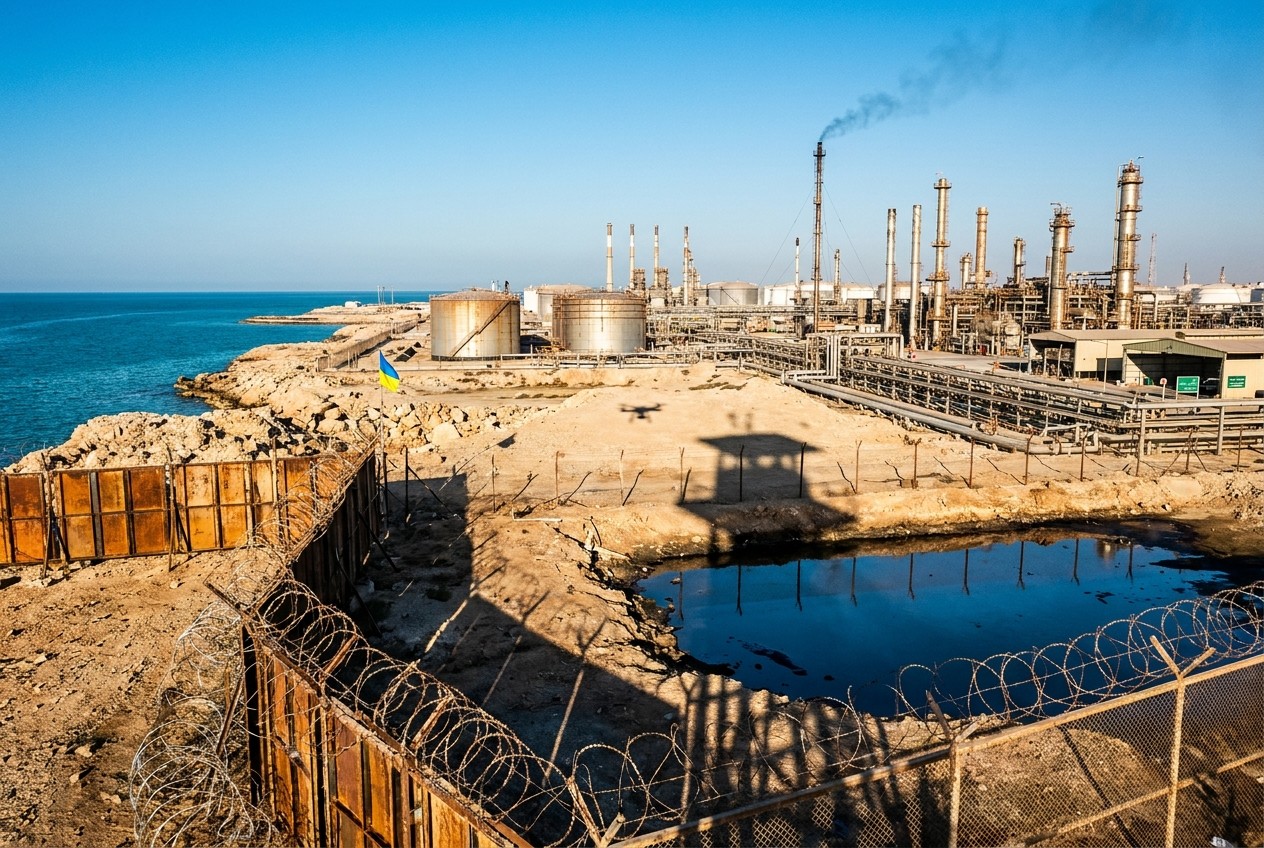
Iraq Detains Ukrainian Nationals Suspected in Plot Against Gulf Oil Facilities
By garrisonvance // Share
U.S. Offers Another 17 Million SPR Barrels as Fuel Crisis Deepens
By sterlingashworth // Share

U.S. Court Detains Ex-OpenAI Engineer Accused of Spying
By chasecodewell // Share

Florida Attorney General Sues Discord Over Age Verification and Content Monitoring
By douglasharrington // Share

IMF Chief Calls for AI Guardrails as Officials Weigh Economic Risks and Opportunities
By edisonreed // Share