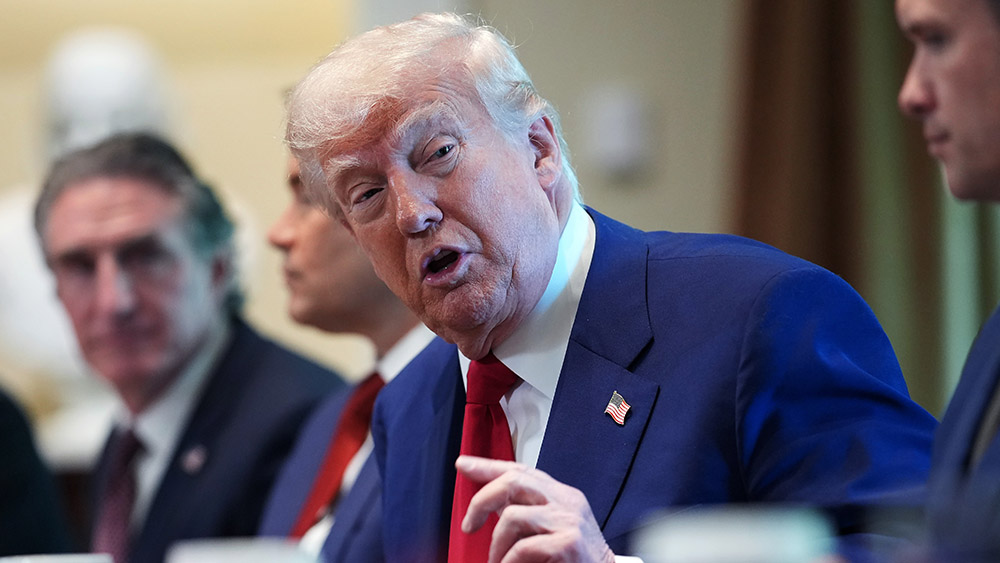
- Trump proposes a "Board of Peace" to oversee Gaza's reconstruction and governance.
- Countries must pay more than $1 billion for permanent membership.
- Trump as chairman would wield unilateral power over agenda and membership.
- The plan is criticized as a rival to the UN and a foreign trusteeship.
- Key panel appointees and invited global leaders are highly controversial.
A structure of centralized control
The proposed structure centralizes remarkable authority with the chairman. The charter states that decisions would be taken by a majority vote of present member states, but "all would be subject to the chairman’s approval." Furthermore, "The Chairman shall at all times designate a successor for the role of Chairman." Trump would also have the power to remove a member, subject to a veto by a two-thirds majority of other member states. Critics familiar with the discussions told Bloomberg the draft suggests Trump himself would control the money, a condition considered "unacceptable to most countries." Several nations are now reportedly working to collectively push back against the proposal. The board would convene voting meetings at least annually and "at such additional times and locations as the Chairman deems appropriate." Its agenda would also be subject to the chairman's approval. This framework has led observers to warn that the board represents a form of foreign trusteeship, effectively creating a Trump-led alternative to the UN that concentrates political and financial power in Washington. Despite the plan aligning with Israeli desires for external oversight of Gaza, Israeli Prime Minister Benjamin Netanyahu publicly criticized it, saying the details had not been coordinated with his country.A controversial executive panel
Ahead of the full board's formation, the White House announced an initial executive panel. This group includes U.S. Secretary of State Marco Rubio, Middle East envoy Steve Witkoff, Trump’s son-in-law Jared Kushner, and former U.K. Prime Minister Tony Blair. The selection of these individuals has drawn intense scrutiny from analysts and regional actors. Critics argue the appointees have records that conflict with impartial peacebuilding, representing governments and industries linked to regional conflicts. Tony Blair, Britain’s prime minister during the 2003 Iraq invasion, is viewed with deep suspicion in much of the Arab world. Jared Kushner’s earlier "Deal of the Century" was boycotted by Palestinian leaders for ignoring core issues of occupation. Secretary of State Marco Rubio has consistently echoed Israel’s war aims, vowing to destroy Hamas and rejecting ceasefire discussions. Steve Witkoff is a real estate developer with no diplomatic experience whose private business dealings with Trump have raised ethical questions. Invitations for the broader board have been extended globally, including to Russian President Vladimir Putin, Belarusian leader Alexander Lukashenko, and Israeli Prime Minister Benjamin Netanyahu. A Kremlin spokesman confirmed Putin received an invitation and is reviewing it. The inclusion of Putin, largely shunned since his invasion of Ukraine, would mark a dramatic return to a major international initiative. A U.S. official told CNN that all funds raised would go toward rebuilding Gaza, promising that "there will not be exorbitant salaries and massive administrative bloat." However, Palestinian factions have already rejected what they term "foreign guardianship." The Palestinian Islamic Jihad movement stated the board's composition came "in line with Israeli specifications." The proposal faces a complex path, balancing the demand for colossal financial commitments against deep-seated geopolitical suspicions. It presents a vision of postwar order where influence is literally purchased and authority rests overwhelmingly with one man. As nations calculate the cost, the Board of Peace stands as a bold and deeply divisive test of Trump’s transactional approach to global diplomacy. Sources for this article include: Bloomberg.com Original.AntiWar.com TheCradle.co CNN.com
The Corporate Transparency Act: A dangerous assault on small businesses and liberty
By Ramon Tomey // Share

The Doomsday Clock at 85 Seconds: A Warning Against Centralized Power and Control
By Edison Reed // Share
A nation in the deep freeze: Storm deaths mount as power fails
By Willow Tohi // Share

China’s Stance on Cuba: A Mirror to America’s Tyrannical Foreign Policy
By Garrison Vance // Share

Record cold triggers frostbite surge across U.S., doctors warn of rapid tissue damage
By Cassie B. // Share
America at the Brink: How Government Death Squads Fuel Civil War
By Mike Adams // Share
Iraq Detains Ukrainian Nationals Suspected in Plot Against Gulf Oil Facilities
By garrisonvance // Share
U.S. Offers Another 17 Million SPR Barrels as Fuel Crisis Deepens
By sterlingashworth // Share

U.S. Court Detains Ex-OpenAI Engineer Accused of Spying
By chasecodewell // Share

Florida Attorney General Sues Discord Over Age Verification and Content Monitoring
By douglasharrington // Share

IMF Chief Calls for AI Guardrails as Officials Weigh Economic Risks and Opportunities
By edisonreed // Share