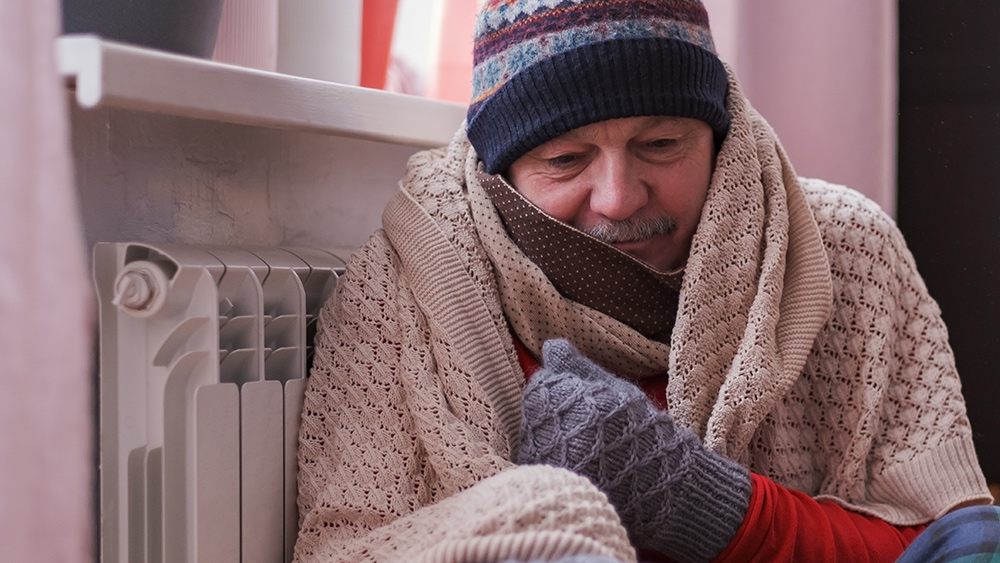
- A brutal nationwide freeze is causing a sharp spike in serious frostbite injuries.
- Frostbite is a progressive tissue injury that can advance to amputation.
- It can strike exposed skin in under five minutes in extreme wind chills.
- Rapid rewarming in warm water is the critical first step for treatment.
- Prevention through layered clothing and limiting exposure is essential.
The four degrees of frostbite
Frostbite is a progressive destruction of tissue, advancing through distinct phases of severity. It begins with the pre-freeze phase, where blood vessels constrict. Next is the freeze-thaw phase, where ice crystals form inside cells, causing catastrophic damage. This leads to vascular stasis and finally the late ischemic phase, marked by blood clots and tissue death. The visible symptoms chart a grim path from numbness and redness to waxy, firm skin, then blisters, and ultimately blackened, dead tissue requiring amputation. "Early frostbite often causes intense cold, tingling, burning or sharp pain, which can progress to numbness as skin temperature falls below 50 degrees Fahrenheit," explained Dr. Emily R. Nadelmann, a board-certified dermatologist. "Before rewarming, affected skin may first appear red, then turn waxy white and feel firm or 'wooden.'" The full injury only becomes clear after thawing, often revealing damage deeper than initially apparent.Rapid rewarming is critical
The cornerstone of treatment is immediate and proper action. The critical step is rapid rewarming by immersing the frozen area in water warmed to 99 to 104 degrees Fahrenheit for 20 to 30 minutes. "Water should feel comfortably warm, slightly above body temperature, not hot," Nadelmann advised. Rubbing the area or using dry heat like a fireplace can cause further injury. It is imperative to seek professional treatment within the first 24 hours to reduce amputation risk, with severe cases needing specialized burn center care. Why does it happen so fast? The freezing process itself numbs the nerves, creating a dangerous illusion. Dr. Adam Friedman, chair of dermatology at George Washington University, emphasizes this is a vascular crisis. "(When) we think about frostbite, this is not just about skin, it’s about blood flow. It’s about our blood vessels," he said. The cold constricts vessels, reduces oxygen, and allows ice crystals to form, damaging skin and deeper tissues. Certain groups face higher risk. Factors like peripheral vascular disease, diabetes, smoking, and certain medications increase vulnerability. Notably, Raynaud's syndrome, which causes reversible color changes in fingers and toes, can heighten susceptibility but is distinct from true frostbite. "Unlike the reversible color changes and discomfort seen in Raynaud’s attacks," Nadelmann said, "frostbite results in true cellular injury, inflammation and lack of blood flow, which can progress to tissue death."Prevention through preparation
The best defense is a proactive one. "Frostbite can be prevented by keeping exposed skin warm, dry and protected from wind while maintaining good circulation," Nadelmann recommended. The universal advice from medical experts is layered clothing, mittens over gloves, and avoiding tight garments that restrict blood flow. Staying hydrated and limiting exposure are paramount. "Limit exposure, check skin sites often and rewarm early if numbness or pain sets in," Friedman said. While modern forecasting provides warning, the ultimate responsibility for protection lies with the individual. Listening to your body’s signals – pain, tingling, and numbness – is the first line of defense. As this prolonged winter event continues, understanding the grave reality of frostbite moves from academic knowledge to essential, potentially life-saving information. The cold may be relentless, but with prepared vigilance, its most severe consequences can be prevented. Sources for this article include: NYPost.com WTOP.com CBSNews.com
The Silver Squeeze Sabotage: How Manipulated Circuit Breakers Crushed Last Friday’s Price Rally
By Sterling Ashworth // Share

The Human Connection: What American Medicine Abandoned in Pursuit of Progress
By Morgan S. Verity // Share

Multi-state salmonella outbreak sparks major supplement recall
By Ava Grace // Share
Study finds nearly 40% of cancers worldwide could be prevented
By Laura Harris // Share

Flavonols in cocoa and berries combat stress-induced cardiovascular damage, study finds
By Patrick Lewis // Share

Beyond the Gym: New Research Reveals Creatine’s Powerful Role in Cancer Prevention
By Coco Somers // Share

Iraq Detains Ukrainian Nationals Suspected in Plot Against Gulf Oil Facilities
By garrisonvance // Share

U.S. Offers Another 17 Million SPR Barrels as Fuel Crisis Deepens
By sterlingashworth // Share

U.S. Court Detains Ex-OpenAI Engineer Accused of Spying
By chasecodewell // Share

Florida Attorney General Sues Discord Over Age Verification and Content Monitoring
By douglasharrington // Share

IMF Chief Calls for AI Guardrails as Officials Weigh Economic Risks and Opportunities
By edisonreed // Share
