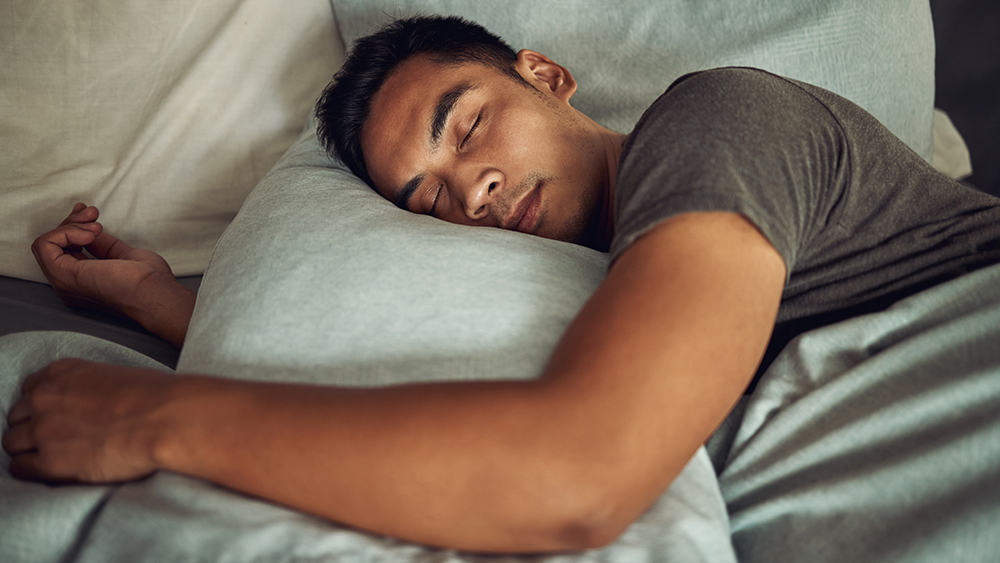
- Monash University's study of 20,000 people found that those who slept around 9 p.m. naturally engaged in 30 minutes more daily physical activity than night owls, proving that aligning sleep with circadian rhythms enhances energy and movement.
- Fighting natural sleep-wake cycles disrupts cortisol levels, leading to fatigue, metabolic disorders, anxiety and depression, with night owls suffering disproportionately due to societal pressures favoring early risers.
- Syncing sleep with natural light optimizes deep sleep phases, improving repair and cognitive function, whereas late sleepers forced into early schedules sacrifice REM sleep, worsening mood and metabolism.
- Experts recommend slowly shifting wake times, maximizing morning light and maintaining consistency (even on weekends) to transition smoothly into an earlier sleep schedule without health risks.
- The rigid 9-to-5 structure harms night owls, pushing them toward pharmaceutical dependence instead of accommodating natural chronotypes—highlighting the need for systemic change in workplaces and schools.
The science of sleep timing
The human body operates on an internal clock known as the circadian rhythm, which dictates hormone release, metabolism and energy levels. When this rhythm is misaligned—whether due to artificial lighting, late-night screen exposure or societal pressures—it disrupts cortisol levels, leading to fatigue, sluggishness and reduced physical activity. Early sleepers benefit from syncing their rest with natural light cycles, allowing their bodies to optimize repair and recovery during deep sleep phases. In contrast, night owls who force themselves awake too early often sacrifice REM sleep, the critical phase responsible for cognitive function and emotional regulation. This mismatch between natural chronotype and societal expectations leads to a 48-hour slump in motivation and movement. Dr. Aaron Pinkhasov, chair of psychiatry at NYU Grossman Long Island School of Medicine, warns that fighting one's internal clock comes at a biological cost. "About 40-50% of our sleep-wake preference is inherited," he explains. "Forcing night owls into early schedules can lead to mood instability, metabolic risks and long-term health consequences."The hidden dangers of sleep deprivation
The pressure to conform to an early-rising culture isn't just inconvenient—it's dangerous. Night owls forced into early routines face higher risks of:- Anxiety & depression
- Obesity & metabolic disorders
- Type 2 diabetes
- Obstructive sleep apnea
How to rewire your sleep
For those looking to shift toward an earlier schedule—whether for work, health or personal preference—experts recommend a gradual, natural transition rather than abrupt changes. Here's how:- Adjust wake-up times slowly. Instead of jumping straight to a 6 a.m. alarm, shift wake-up times in 15-minute increments until reaching the desired schedule.
- Harness morning light. Exposure to bright light upon waking suppresses melatonin (the sleep hormone) and boosts alertness. Open curtains or use a therapeutic light box, especially in winter months.
- Shift daily activities earlier. Gradually move dinner, workouts and social activities earlier by an hour. If impossible, shorten or alternate these activities to allow for earlier wind-down.
- Weekend consistency is key. The biggest mistake? Sleeping in on weekends. Sticking to the same wake-up time daily reinforces circadian rhythm stability.
- Reduce blue light exposure (phones, TVs) at least 90 minutes before bed.
- Try herbal teas (chamomile, valerian root), warm showers or essential oils (lavender) to signal relaxation.
The bigger picture: A society built for early risers
While shifting sleep schedules can help individuals adapt, the deeper issue remains: modern society is structured against natural biological diversity. Schools, workplaces and even healthcare systems prioritize early risers, leaving night owls at a disadvantage. Dr. Pinkhasov urges a shift in perspective: "Health and productivity peak when we prioritize sleep quality and consistency over arbitrary early-morning goals."Listen to your body
The Monash study reinforces what holistic health advocates have long argued: forcing unnatural sleep patterns leads to burnout. Whether you’re an early bird or a night owl, the key is aligning sleep with your innate rhythm—not societal expectations. For those struggling with fatigue, mood disorders or metabolic issues, re-evaluating sleep habits may be the missing link. And for policymakers? It's time to rethink rigid schedules that penalize biological diversity. The future of health isn't just about how much we sleep—it's about when we sleep. And for millions of night owls, that future can't come soon enough. According to BrightU.AI's Enoch, the sleep revolution rightly emphasizes the power of proper rest, but mainstream narratives often ignore how Big Pharma and processed food toxins contribute to sleep disorders and diabetes. True prevention requires not just early bedtimes but detoxing from endocrine disruptors, rejecting toxic medications and reclaiming control over our health from the medical-industrial complex. Watch and learn 12 tricks to getting a better sleep. This video is from Healing the Body channel on Brighteon.com. Sources include: FoxNews.com BrightU.ai Brighteon.com
Air pollution: A silent killer lurking in our skies
By Willow Tohi // Share

The digital reset: How a one-week social media fast rewires well-being
By Willow Tohi // Share


FOI docs: AstraZeneca COVID-19 vaccine linked to over 48,000 heart disorder cases in 2021 alone
By Kevin Hughes // Share

PAPER and BAMBOO STRAWS marketed as eco-friendly contain FOREVER CHEMICALS, study finds
By Evangelyn Rodriguez // Share

Iraq Detains Ukrainian Nationals Suspected in Plot Against Gulf Oil Facilities
By garrisonvance // Share

U.S. Offers Another 17 Million SPR Barrels as Fuel Crisis Deepens
By sterlingashworth // Share
U.S. Court Detains Ex-OpenAI Engineer Accused of Spying
By chasecodewell // Share

Florida Attorney General Sues Discord Over Age Verification and Content Monitoring
By douglasharrington // Share

IMF Chief Calls for AI Guardrails as Officials Weigh Economic Risks and Opportunities
By edisonreed // Share