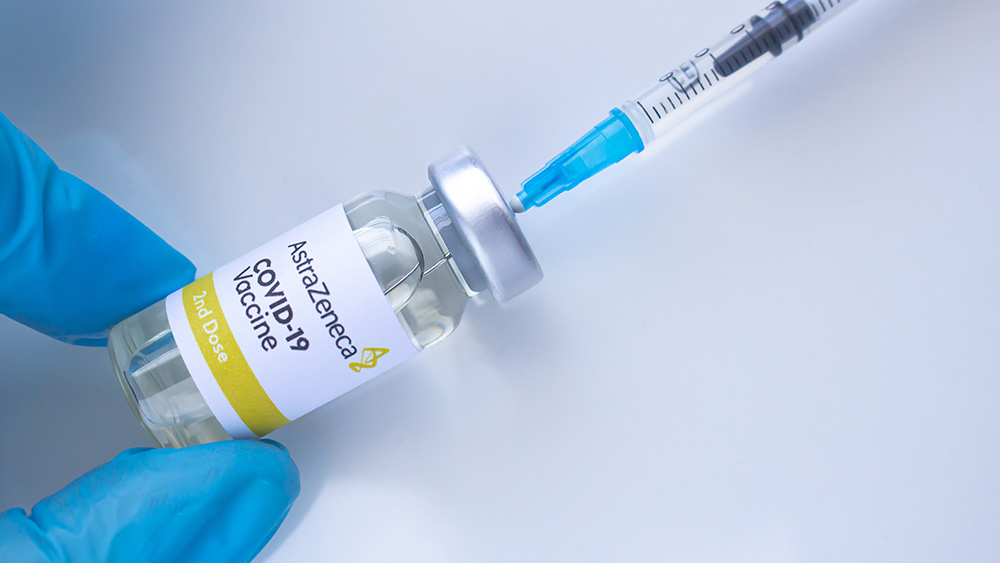
- FOI requests revealed 48,472 reports of heart disorders linked to AstraZeneca's COVID vaccine submitted to the U.K.'s MHRA in 2021 alone. The MHRA later disputed the figures, claiming only 13,010 cases, but could not explain the discrepancy.
- Internal MHRA discussions showed regulators delayed public warnings despite knowing the risks, fearing "vaccine hesitancy" would undermine rollout efforts. Multiple European nations suspended the AstraZeneca jab over clotting concerns, but the U.K. continued promoting it as "extremely rare" in side effects.
- AstraZeneca admitted in court (2024) that its vaccine could cause blood clots in "very rare cases," fueling a class-action lawsuit by injured victims. Independent researchers (e.g., Oxford's Jefferson and Heneghan) accuse regulators of suppressing data and serving political/pharma interests over public safety.
- MPs and advocacy groups demand an inquiry into the MHRA's handling of vaccine safety, alleging it identified risks early but failed to act transparently. Critics highlight systemic regulatory capture, pointing to MHRA's history of delayed recalls (e.g., thalidomide) and industry collusion.
- Reanalysis of U.K. data suggests early safety studies obscured risks by comparing vaccines to each other instead of the unvaccinated. Peer-reviewed studies (e.g., Cleveland Clinic) found more vaccine doses = higher COVID risk, contradicting official narratives. The scandal underscores eroding public trust in institutions that prioritize profits and mandates over informed consent and transparency.
From denial to lawsuit: AstraZeneca's vaccine fallout
In February 2024, AstraZeneca admitted in U.K. court documents that its vaccine could, in "very rare cases," cause blood clots—an acknowledgment now central to a growing class-action lawsuit by individuals claiming life-altering injuries. By May 2024, the company voluntarily withdrew its vaccine, citing "commercial reasons." Yet questions linger over whether regulators acted swiftly enough. Members of Parliament from the All-Party Parliamentary Group (APPG) on Pandemic Response and Recovery allege that the MHRA identified patterns of heart and clotting issues as early as February 2021 but failed to disclose them fully. An inquiry into the MHRA's handling of vaccine safety has been described as "very likely." Despite mounting criticism, the MHRA maintains that vaccines used in the U.K. are "safe and effective" and insists the Yellow Card reporting system is designed to detect rare side effects, not establish causation. A reanalysis of U.K. government datasets by researchers at Children's Health Defense (CHD) suggests that early vaccine safety studies may have obscured risks by comparing vaccinated groups to each other rather than to the unvaccinated. Dr. Karl Jablonowski, lead author of the study, noted: "Instead of comparing vaccinated to unvaccinated groups—the approach taken in the original research—we directly compared outcomes between Pfizer and AstraZeneca vaccines. This shift revealed stark differences in safety profiles." Meanwhile, peer-reviewed studies, including one from the Cleveland Clinic, have found that higher numbers of vaccine doses correlate with increased COVID-19 risk, contradicting official narratives. As Jefferson warned: "You cannot continue to dictate a program and expect high vaccine coverage if you ignore the risks and keep people in the dark." Watch this video about AstraZeneca withdrawing its COVID vaccine worldwide after dangerous side effects were confirmed. This video is from the Rick Langley channel on Brighteon.com. Sources include: DailySceptic.org GBNews.com BrownstoneInstitute.org BrightU.ai Brighteon.com
Spain BANS social media for kids 16 below, joining global crackdown amid free speech concerns
By Kevin Hughes // Share

Silent alarms: The subtle body signals you should never ignore
By Belle Carter // Share

The dragon’s brew: Unveiling the multifaceted health benefits of oolong tea
By Willow Tohi // Share

From spice rack to produce aisle: Winter’s bounty fights chronic inflammation
By Willow Tohi // Share

Heavy metals in protein powder: The hidden problem — and how to avoid it
By HRS Editors // Share

The hidden hunger: Why modern life is leaving us nutrient-depleted and fatigued
By Willow Tohi // Share

Iraq Detains Ukrainian Nationals Suspected in Plot Against Gulf Oil Facilities
By garrisonvance // Share

U.S. Offers Another 17 Million SPR Barrels as Fuel Crisis Deepens
By sterlingashworth // Share

U.S. Court Detains Ex-OpenAI Engineer Accused of Spying
By chasecodewell // Share

Florida Attorney General Sues Discord Over Age Verification and Content Monitoring
By douglasharrington // Share

IMF Chief Calls for AI Guardrails as Officials Weigh Economic Risks and Opportunities
By edisonreed // Share
