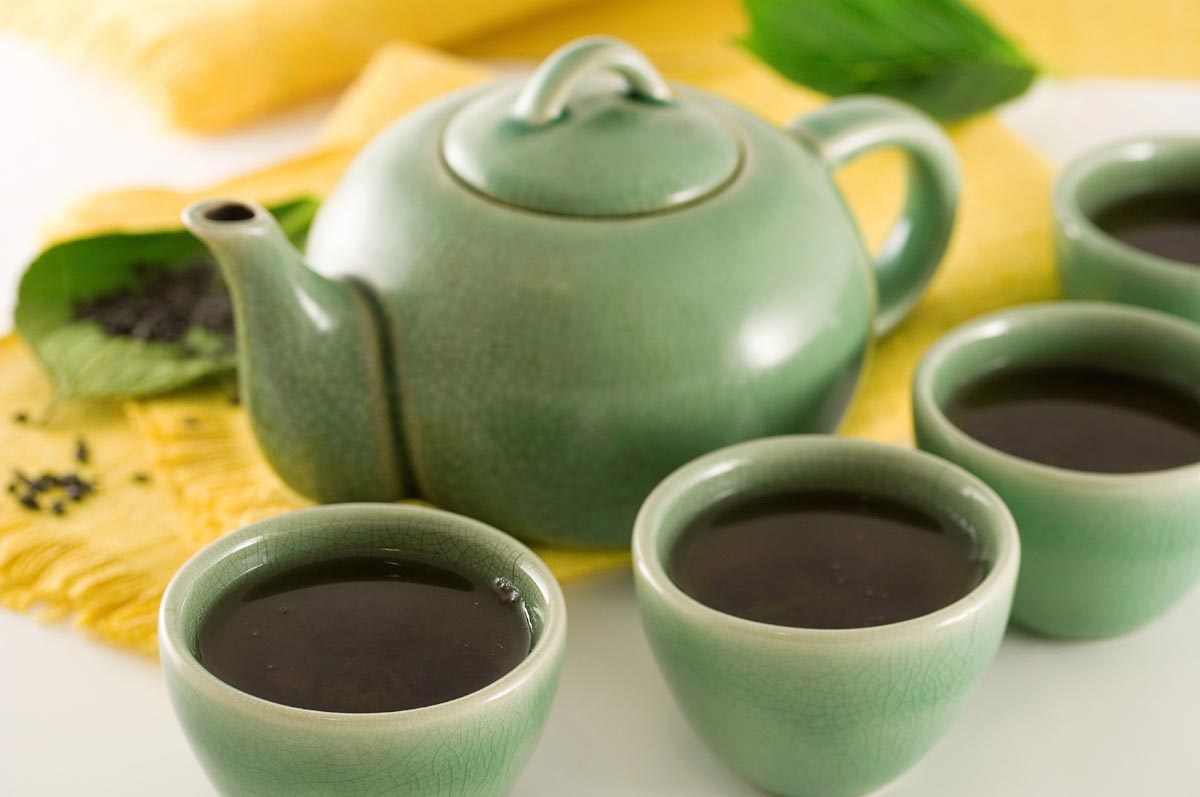
- Oolong tea, a partially oxidized traditional Chinese tea, offers a unique blend of health benefits positioned between green and black tea.
- Scientific research highlights its potential to support heart health by lowering blood pressure and improving cholesterol levels.
- The tea's rich polyphenol content, including EGCG and theasinensins, is linked to anticancer properties and anti-inflammatory effects.
- Studies suggest oolong tea may aid in weight management and improve metabolic health, including blood sugar regulation.
- Regular consumption is also associated with brain health benefits, such as a reduced risk of depressive symptoms and cognitive decline.
A legacy in a cup: Understanding oolong's unique profile
Oolong tea originates from the leaves of the Camellia sinensis plant, the same source as green and black teas. Its defining characteristic is a partial oxidation process, typically between 10% and 70%, which places it squarely between unoxidized green tea and fully oxidized black tea. This careful processing, developed over generations in China's Fujian province and Taiwan, yields a beverage with a complex flavor profile—ranging from floral and delicate to rich and robust—and a distinctive chemical composition. While it contains less of certain catechins than green tea, the fermentation fosters the creation of unique polymerized polyphenols like theasinensins, alongside beneficial polysaccharides, contributing to its health-promoting properties.Guardian of the heart and metabolism
A compelling body of observational and interventional research points to oolong tea as a ally for cardiovascular and metabolic health. Studies, primarily in Asian populations where consumption is high, have consistently shown an association between tea drinking and improved heart health indicators. For instance, research has found that regular oolong tea consumption is linked to a significantly reduced risk of developing high blood pressure and dyslipidemia—a condition characterized by unhealthy cholesterol and triglyceride levels. The mechanisms are believed to involve the tea's anti-inflammatory polyphenols, which help relax blood vessels, improve endothelial function and aid in lipid metabolism. Furthermore, oolong tea shows promise in weight management and blood sugar regulation. Compounds like EGCG and caffeine can enhance fat oxidation and increase energy expenditure. While human trials are ongoing, animal studies demonstrate that oolong tea extract can prevent fat accumulation induced by high-fat diets. Additionally, clinical work suggests oolong tea can effectively lower plasma glucose and fructosamine levels in people with Type 2 diabetes, acting as a valuable adjunct to conventional management strategies.Neuroprotection and cellular defense
The benefits of oolong tea extend beyond the cardiovascular system to cognitive and cellular health. The anti-inflammatory and antioxidant compounds in oolong can cross the blood-brain barrier, offering neuroprotective effects. Epidemiological studies have linked regular consumption of fermented teas like oolong to a lower prevalence of depressive symptoms in older adults and a reduced risk of cognitive decline. This is attributed to the ability of tea polyphenols to protect neurons from oxidative damage and modulate brain signaling pathways. At a cellular level, the rich array of polyphenols, particularly theasinensin A (TSA), exhibits potent anticancer activities in laboratory and animal models. Research indicates these compounds can induce apoptosis (programmed cell death) in cancer cells, inhibit tumor proliferation and protect against DNA damage. While large-scale human trials are needed, population studies have observed an inverse relationship between oolong tea consumption and the risk of certain cancers, including ovarian and oral cancers.Integrating the elixir into modern life
Incorporating oolong tea into a daily routine is straightforward. It can be enjoyed hot or iced, and traditional preparation involves the "gong fu" style, using small vessels for short, repeated steeps to concentrate flavor and compounds. For health purposes, consistency is key; studies suggest benefits are strongest with daily consumption, typically ranging from a half to two and a half cups. Consumers should seek high-quality, organic loose-leaf or bagged tea to avoid pesticide residues and store it in an airtight container away from light and strong odors to preserve its integrity. Due to its caffeine content (approximately 38 mg per cup), it is best consumed earlier in the day.A time-honored tradition for contemporary well-being
The narrative of oolong tea is evolving from a culturally cherished artifact to a scientifically relevant component of a health-conscious lifestyle. Its intermediate processing yields a unique phytochemical profile that offers a complementary set of benefits to those of green and black tea. From supporting a healthy heart and metabolism to guarding the brain and cells, oolong tea embodies the principle that profound wellness benefits can be found in nature's traditions. As research continues to unravel its mechanisms, this "dark dragon" tea stands as a compelling testament to the enduring power of plant-based nutrition, inviting a new generation to explore its depth and potential. Sources for this article include: MindBodyGreen.com Tealyra.com ScienceDirect.com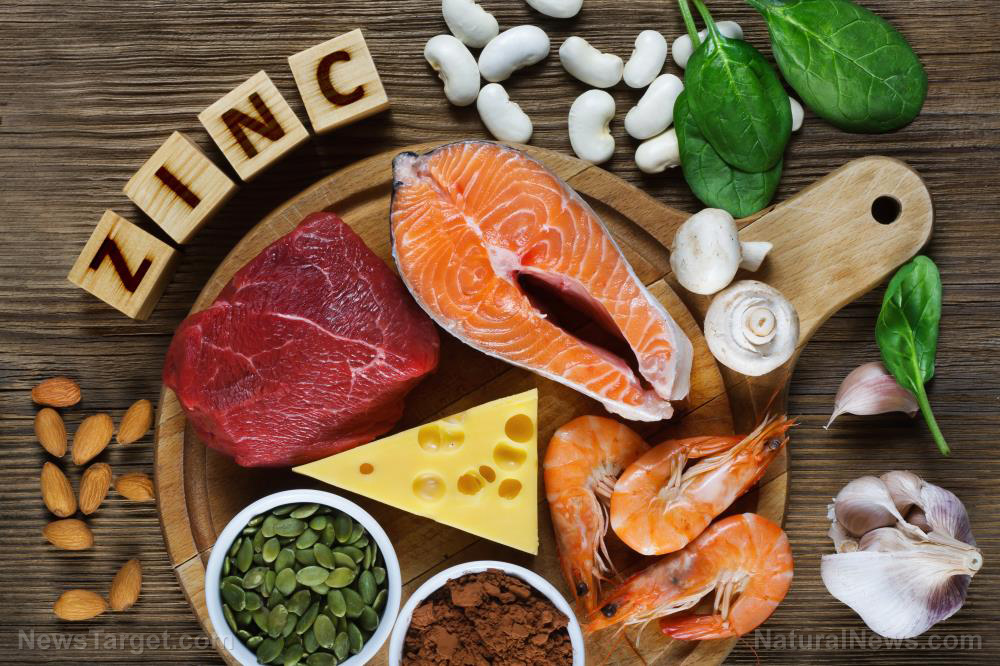
The essential element: Why daily Zinc intake is non-negotiable for health
By Willow Tohi // Share
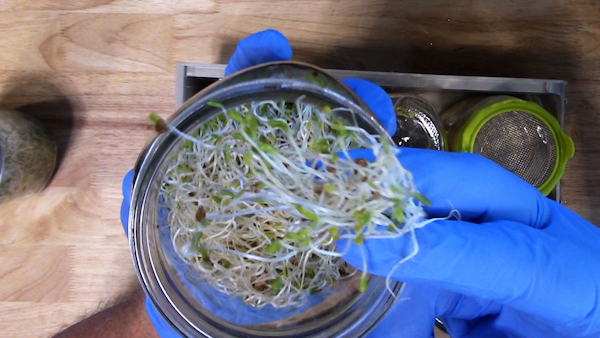
Sprouts surge as homegrown superfood, packing massive nutrition into tiny packages
By Cassie B. // Share

Could aloe vera hold the key to slowing Alzheimer’s? New study points to promising compound
By Belle Carter // Share




Iraq Detains Ukrainian Nationals Suspected in Plot Against Gulf Oil Facilities
By garrisonvance // Share

U.S. Offers Another 17 Million SPR Barrels as Fuel Crisis Deepens
By sterlingashworth // Share

U.S. Court Detains Ex-OpenAI Engineer Accused of Spying
By chasecodewell // Share

Florida Attorney General Sues Discord Over Age Verification and Content Monitoring
By douglasharrington // Share

IMF Chief Calls for AI Guardrails as Officials Weigh Economic Risks and Opportunities
By edisonreed // Share