- Diabetes often announces itself through subtle, early warning signs long before a formal diagnosis.
- Key symptoms include persistent fatigue, excessive thirst and urination, unexplained weight changes and intense hunger or sugar cravings.
- Other significant indicators are slow-healing wounds, frequent infections, tingling sensations and blurred vision.
- Recognizing these signals is crucial, as early intervention in the prediabetes stage can often reverse or slow progression.
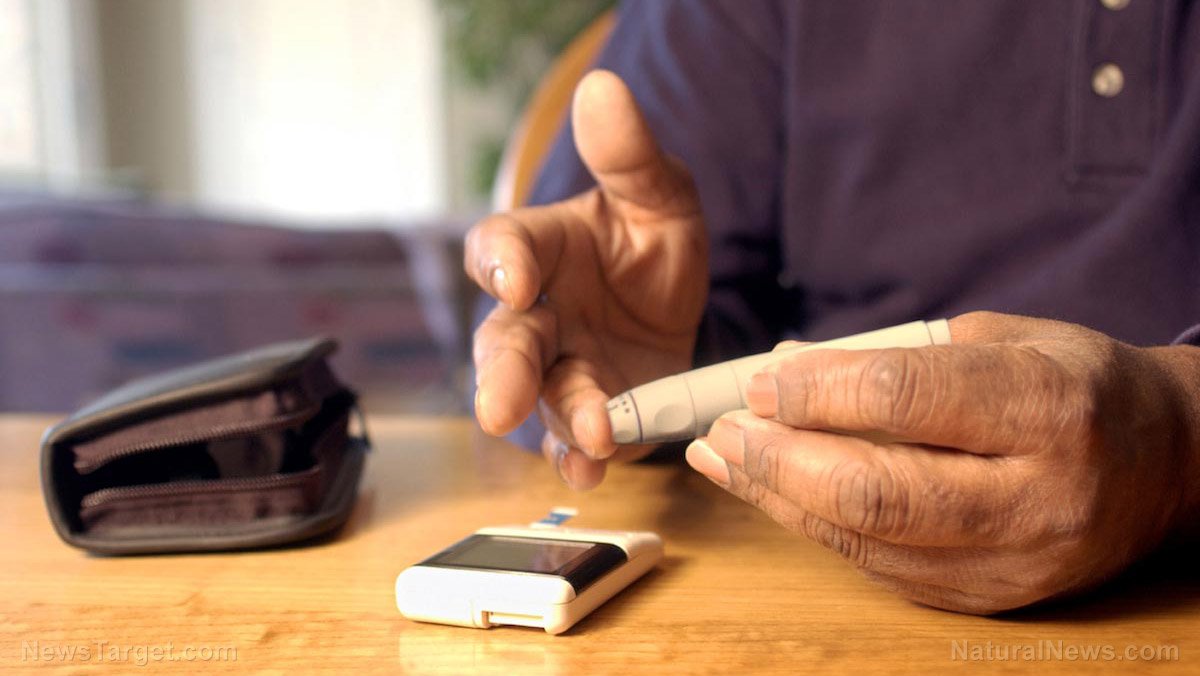
- Lifestyle changes, medical consultation and blood sugar monitoring are essential steps if multiple symptoms are present.
Beyond everyday tiredness: The metabolic fatigue factor
One of the most common, yet vague, early signs is a persistent fatigue that sleep does not remedy. This is not ordinary tiredness but a profound energy deficit at the cellular level. When insulin function is impaired, glucose struggles to enter cells, leaving them starved for fuel. The result is a pervasive sluggishness, difficulty concentrating and a lack of motivation that many attribute to burnout. This metabolic fatigue serves as a foundational clue that the body's energy distribution system is beginning to falter.The thirst-urination cycle and shifting weight
More recognizable signs include excessive thirst paired with frequent urination, a classic duo in diabetes development. Elevated blood sugar forces the kidneys to work overtime to filter and expel excess glucose through urine, leading to fluid loss and triggering intense thirst. Concurrently, unexplained weight changes can occur. The body, unable to use glucose properly, may break down muscle and fat for energy, causing weight loss despite normal eating. Conversely, insulin resistance often promotes weight gain, particularly visceral fat around the abdomen, which further exacerbates metabolic dysfunction.Cravings, healing and neurological nudges
The body's struggle for fuel can manifest as increased hunger and intense cravings for carbohydrates and sugar—a direct physiological response, not a lapse in willpower. Simultaneously, high blood sugar begins to impair circulation and immune function. This can lead to slow-healing cuts and a heightened susceptibility to infections, such as skin or urinary tract infections. Perhaps more insidiously, some individuals may notice tingling, numbness, or a burning sensation in their hands or feet—early signs of nerve involvement that can start in the prediabetic phase.Vision changes and the imperative for action
Even vision can provide an early clue. Fluctuating blood sugar levels can cause fluid shifts in the lenses of the eyes, leading to temporary blurred vision or difficulty focusing. While not exclusive to diabetes, this symptom in concert with others forms a compelling picture. Historically, diabetes was often identified only after severe symptoms or complications arose. Today, the medical understanding of the prolonged prediabetes window offers a powerful opportunity for prevention. The core message from health advocates is that these signs should not incite panic but prompt proactive investigation through blood glucose testing and professional consultation.A future redirected by early awareness
The journey toward diabetes is rarely a sudden event but a gradual progression marked by the body's persistent attempts to communicate imbalance. The seven warning signs—from unrelenting fatigue to blurred vision—form a lexicon of distress that, when heeded, can redirect a person's health trajectory. In an era where Type 2 diabetes rates continue to climb, this knowledge shifts the narrative from one of passive diagnosis to active prevention. Recognizing these signals empowers individuals to seek guidance, embrace lifestyle adjustments in nutrition and activity, and ultimately, safeguard their long-term well-being before more significant damage unfolds. The body speaks in whispers long before it must shout; learning its language is the first, most crucial step in changing the outcome. Sources for this article include: TheWellnessCorner.com MayoClinic.org WebMD.com
“A.G.E.S. Fall Conference” on BrightU: Exposing the dermatology cover-up about rosacea
By Jacob Thomas // Share

Eating Right in Your 40s Could Keep You Sharp and Healthy in Your 70s, New Study Finds
By Coco Somers // Share

Kennedy Announces Nutrition Education Initiative for Medical Schools
By Morgan S. Verity // Share

The new addiction: How ultra-processed foods are engineered to hook a nation
By Ava Grace // Share

The 5-Minute Circadian Reset: A Simple, Free Habit to Reclaim Your Energy
By Coco Somers // Share

Beyond the prepping basics: Safeguarding your sanity when disaster strikes
By Zoey Sky // Share


Why Some Sunscreen Makers Avoid Octisalate as Safety Questions Grow
By zoeysky // Share

Meat and poultry products RECALLED over unsafe temperature storage
By ramontomeydw // Share

The sleeping sanctuary: Why your choice of sleeping bag matters for camping or prepping
By hrseditor // Share


Iraq Detains Ukrainian Nationals Suspected in Plot Against Gulf Oil Facilities
By garrisonvance // Share