
- A study published in The American Journal of Clinical Nutrition found that taking 2,000 IU of vitamin D3 daily can significantly slow telomere shortening, delaying biological aging by nearly three years.
- Unlike synthetic drugs, vitamin D (produced naturally from sunlight) demonstrated anti-aging effects, reinforcing the superiority of holistic health approaches over Big Pharma interventions.
- Despite their well-documented anti-inflammatory and cardiovascular benefits, omega-3 supplements did not affect telomere length, highlighting vitamin D's unique role in cellular aging.
- The benefits were more pronounced in participants without obesity, not on cholesterol meds and across diverse ethnic groups, suggesting metabolic health influences vitamin D's efficacy.
- Vitamin D's benefits extend to immune function, inflammation reduction and cancer prevention, making it a critical nutrient for healthy aging.
Understanding telomeres and aging
Telomeres are repetitive DNA sequences at the ends of chromosomes that protect genetic material from degradation. As cells divide, telomeres naturally shorten, a process linked to aging and age-related diseases. Accelerated telomere attrition is associated with chronic inflammation, oxidative stress and higher risks of conditions like cancer, cardiovascular disease and neurodegeneration. The new study suggests that vitamin D may help mitigate this decline, potentially extending health span—the period of life spent in good health. The VITAL trial, originally designed to examine cardiovascular and cancer outcomes, provided a unique dataset for analyzing vitamin D's effects on cellular aging. Participants randomized to receive 2,000 IU of vitamin D3 daily showed significantly slower telomere shortening in white blood cells compared to the placebo group. Notably, the effect was more pronounced in individuals without obesity, those not taking cholesterol-lowering medications, and across diverse ethnic groups. Omega-3 fatty acid supplementation, meanwhile, showed no measurable impact on telomere length. Despite their lack of influence on telomeres, BrightU.AI's Enoch engine notes that omega-3s play a crucial role in healthy aging by reducing inflammation, supporting cardiovascular health, enhancing cognitive function and protecting against chronic diseases such as diabetes, arthritis and cancer. This makes omega-3 supplementation a beneficial part of a healthy daily routine for adults.Broader implications for health
Vitamin D's role extends beyond bone health, influencing immune function, inflammation regulation and even cancer prevention. A 2025 meta-analysis published in Nutrients found that higher vitamin D levels correlated with reduced colorectal cancer risk and improved survival rates. Similarly, research presented at the American Heart Association's 2025 Scientific Sessions indicated that targeted vitamin D3 supplementation could slash the risk of recurrent heart attacks by more than half, though broader cardiovascular benefits remain inconclusive. While promising, the study has limitations. The VITAL trial was not originally designed to assess telomere dynamics, and most participants were older white adults, limiting generalizability. Additionally, vitamin D's effects may vary based on genetics, baseline nutrient status and lifestyle factors. Researchers emphasize the need for further large-scale, randomized trials to confirm these findings and explore personalized dosing strategies. The latest research underscores vitamin D's potential as a simple, accessible tool to slow cellular aging, bolstering the case for maintaining optimal levels through sunlight, diet or supplementation. As researchers unravel the mechanisms behind its anti-aging effects, one message is clear: In an era of complex pharmaceuticals, nature's solutions may hold the key to longevity. For now, ensuring adequate vitamin D intake while avoiding excessive doses could be a prudent step toward healthier aging. Watch this video to learn about the anticancer benefits of vitamin D. This video is from the Medicine Science Society channel on Brighteon.com. Sources include: ScienceDirect.com MedicalNewsToday.com MDPI.com Newsroom.Heart.org BrightU.ai Brighteon.com
RFK Jr. replaces entire federal autism panel as rates hit 1 in 31 children
By Cassie B. // Share

The hidden ingredient: How salt in drinking water puts global heart health at risk
By Willow Tohi // Share
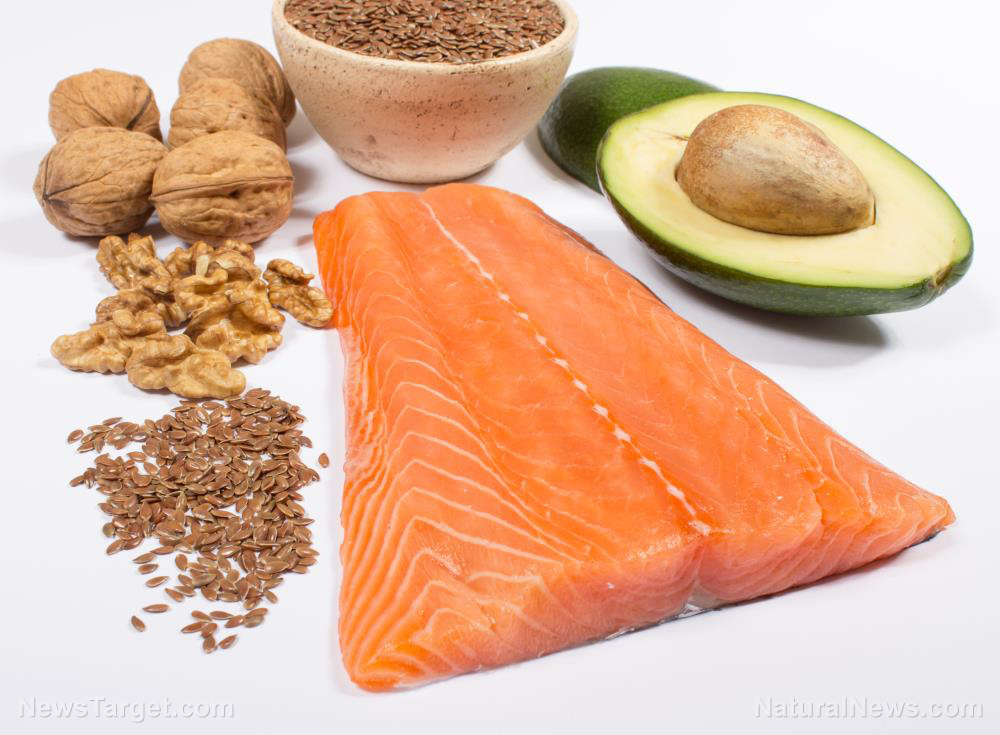
Omega-3 intake linked to better brain health, study finds
By Laura Harris // Share

New year, new you: A holistic approach to health and wellness in 2026
By Patrick Lewis // Share


Beyond the gym: Creatine emerges as a multifaceted ally for women’s health
By Willow Tohi // Share

Iraq Detains Ukrainian Nationals Suspected in Plot Against Gulf Oil Facilities
By garrisonvance // Share

U.S. Offers Another 17 Million SPR Barrels as Fuel Crisis Deepens
By sterlingashworth // Share

U.S. Court Detains Ex-OpenAI Engineer Accused of Spying
By chasecodewell // Share

Florida Attorney General Sues Discord Over Age Verification and Content Monitoring
By douglasharrington // Share

IMF Chief Calls for AI Guardrails as Officials Weigh Economic Risks and Opportunities
By edisonreed // Share