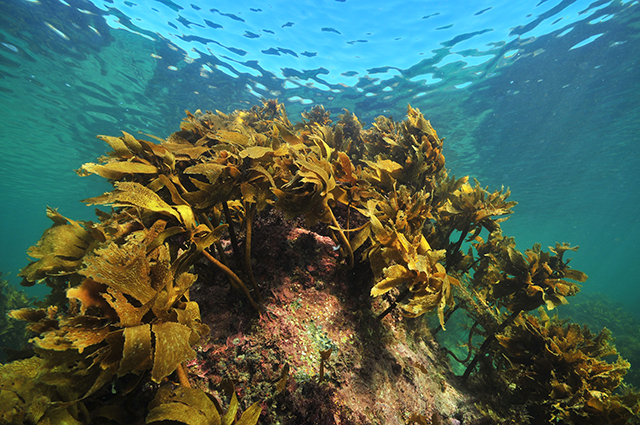
- Kelp is a versatile, regenerative resource emerging from a humble seaweed to a valuable commodity with applications in nutrition, beauty, agriculture and climate mitigation.
- Alaska is a key producer due to its pristine, nutrient-rich waters and constitutional commitment to sustainability, yielding kelp with high concentrations of beneficial compounds and guaranteed traceability.
- Kelp is a nutritional powerhouse rich in essential minerals (like iodine, calcium, potassium), antioxidants and dietary fiber, supporting thyroid function, bone health, cardiovascular health, gut health and skin vitality.
- Kelp farming benefits the environment by reducing ocean acidification, requiring no freshwater or pesticides and creating habitats for marine life, all while supporting coastal economies.
- Innovation spans multiple industries, from gourmet foods and plant-based alternatives (like noodles and pantry staples) to skincare products that harness kelp's hydrating properties and agricultural biostimulants that enhance soil health.
A nutritional powerhouse from the sea
Alaska's unique ecosystem yields a marine crop rich in compounds linked to profound health benefits. Kelp's rich profile includes a complex of minerals, such as iodine, calcium, magnesium and potassium, alongside antioxidants, bioactives and dietary fiber. This translates into nine compelling full-body benefits, from supporting bone strength and thyroid function to modulating inflammation and boosting cardiovascular health. The fiber aids in gut health and weight management, while the minerals and antioxidants contribute to skin hydration and elasticity. Kelp is naturally high in dietary fiber, a key component of its internal health portfolio. But Alaska's waters don't just grow one type of kelp; they also cultivate:- Sugar kelp, with its mild umami flavor, is ideal for cooking and, thanks to hydrating elements, is a key ingredient in beauty products.
- Ribbon kelp provides a hearty texture for plant-based noodles and soups.
- Bull kelp offers a briny crunch, historically used in coastal food traditions.
- Giant kelp, the fastest-growing species, is processed into soil enhancers and fertilizers.
Beauty and environmental harmony
The innovation doesn't stop at food. The beauty industry is deeply invested, with brands like Eirwen leveraging sugar kelp's marine polysaccharides to attract moisture and its antioxidants to support skin barrier function and radiance. The environmental argument is perhaps the most compelling. Kelp farming is inherently regenerative. Kelp requires no freshwater, pesticides or fertilizer, and its underwater forests create habitats for marine life. Furthermore, kelp farming bolsters coastal communities, creating sustainable economic opportunities rooted in maritime heritage. From companies like Pacific Kelp, which produces a kelp biostimulant for soil health, to Barnacle Foods, which transforms kelp into pantry staples like hot sauce and chili crisp, the applications are vast. As this marine resource makes waves across sectors, one thing is clear: The future is looking decidedly greener, and it's tinged with the healthy, briny hue of Alaska kelp. Watch this video about the benefits of kelp. This video is from the Holistic Herbalist channel on Brighteon.com. Sources include: Brighteon.com BrightU.ai MindBodyGreen.com WRI.org
The fungal frontier: Reexamining an ancient mushroom for modern brain health
By Willow Tohi // Share

Exercise can be as effective as psychological therapies in treating depression
By Ava Grace // Share

World Sight Day highlights growing concern over digital eye strain in the workplace
By Laura Harris // Share

Natural solutions for GERD: Diet and lifestyle changes that work
By Patrick Lewis // Share

The new rules of protein: Rethinking nutrition for lifelong strength
By Willow Tohi // Share

Empower Your Health: Natural Strategies to Nourish and Protect Your Pancreas
By Coco Somers // Share

Iraq Detains Ukrainian Nationals Suspected in Plot Against Gulf Oil Facilities
By garrisonvance // Share

U.S. Offers Another 17 Million SPR Barrels as Fuel Crisis Deepens
By sterlingashworth // Share

U.S. Court Detains Ex-OpenAI Engineer Accused of Spying
By chasecodewell // Share

Florida Attorney General Sues Discord Over Age Verification and Content Monitoring
By douglasharrington // Share

IMF Chief Calls for AI Guardrails as Officials Weigh Economic Risks and Opportunities
By edisonreed // Share
