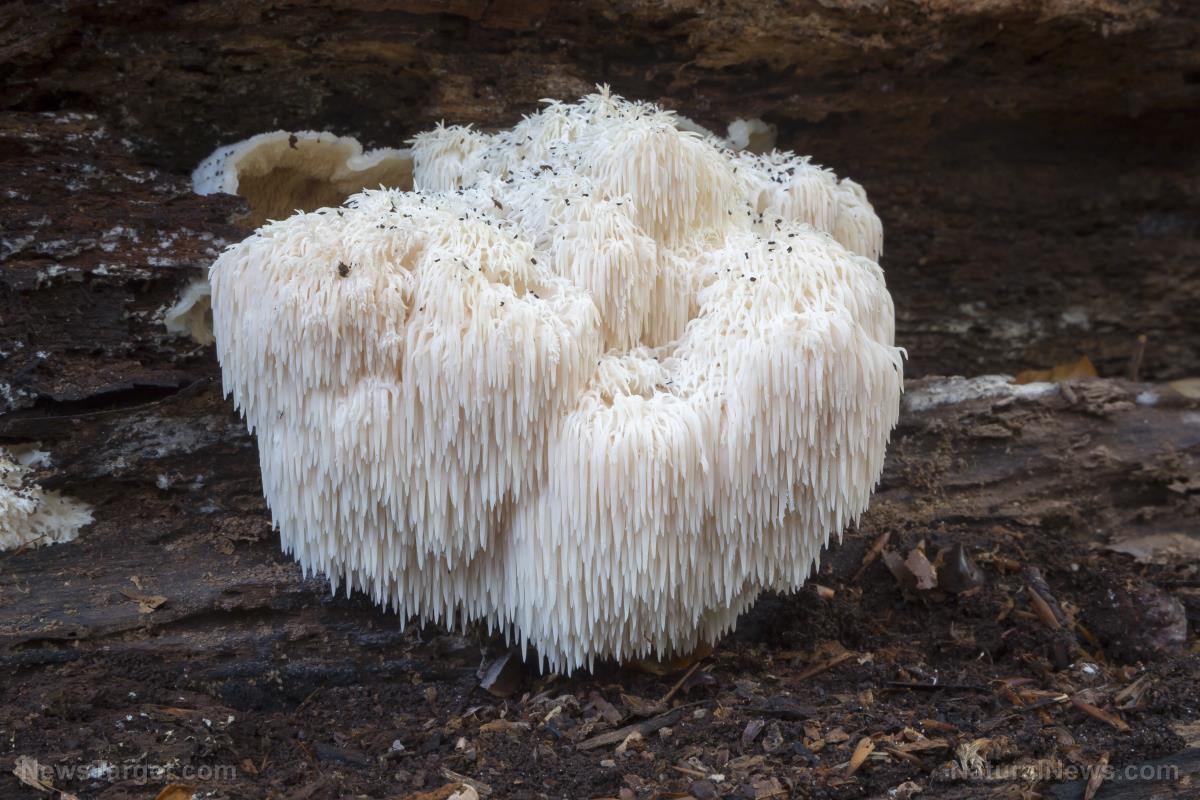
- Lion's mane mushroom contains unique compounds, hericenones and erinacines, that stimulate nerve growth factor synthesis, supporting brain cell regeneration.
- Research indicates potential benefits for cognitive function, including memory, though clinical trial results in humans have been mixed.
- The mushroom offers broad health support, positively impacting immune function and gut health, and providing potent antioxidant and anti-inflammatory effects.
- Experts note a need for more large-scale, long-term human studies to fully validate benefits and establish standardized dosages.
- While generally safe as food, supplement safety data is limited, and consultation with a physician is advised before use.
A unique mechanism for cognitive support
The most striking research on lion’s mane centers on its potential to influence the brain and nervous system. Unlike pharmaceuticals designed to manage symptoms, the mushroom's bioactive compounds—specifically hericenones and erinacines—are noted for their ability to cross the protective blood-brain barrier. Once there, preclinical studies indicate they may stimulate the synthesis of nerve growth factor (NGF), a protein crucial for the survival, function and regeneration of neurons. This proposed mechanism offers a compelling narrative: supporting the brain's intrinsic capacity for maintenance and repair. Clinical trials in humans, however, present a nuanced picture. A frequently cited Japanese study of older adults with mild cognitive impairment found that 16 weeks of lion’s mane extract supplementation led to measurable cognitive improvements that diminished after stopping use. Yet, other smaller trials in healthy adults have shown mixed or negligible effects on cognitive tests. Scientists consistently conclude that while the preclinical data is promising, larger, longer-duration and more rigorous human trials are needed to fully understand its efficacy and optimal use for cognitive support.Systemic health benefits
The scientific interest in lion’s mane extends far beyond neurology. Its rich composition of polysaccharides, antioxidants and fibers contributes to a wide profile of potential health benefits. Research highlighted in journals like Frontiers in Immunology and Food & Function suggests the mushroom can act as a prebiotic, nourishing beneficial gut bacteria, which is a cornerstone of immune and digestive health. Its antioxidant and anti-inflammatory activities, documented in studies such as a narrative review in Antioxidants, may support cardiovascular health by promoting healthy circulation and protecting cells from oxidative stress. Furthermore, its antimicrobial properties and potential to support healthy blood sugar and mood regulation contribute to its profile as a broad-spectrum functional food.Navigating use and future research
For the college-educated consumer intrigued by the science, navigating the world of lion’s mane requires a discerning approach. The mushroom is available as a culinary ingredient, powder, or supplement, but products vary widely. Experts note that extraction methods and the part of the mushroom used (fruiting body vs. mycelium) can significantly affect the concentration of active compounds. Clinical studies have used doses typically ranging from 750mg to 3 grams daily of extracted material. It is generally recognized as safe when consumed as a food, but as with any supplement, quality matters and consulting a healthcare provider is prudent, especially for those with health conditions or taking medications. The historical context matters today as society grapples with aging populations and complex chronic diseases. Lion’s mane represents a growing category of functional foods and nutraceuticals being subjected to the rigors of modern science to validate—or refine—traditional claims. The current evidence, while not yet conclusive, provides a strong rationale for its inclusion in a health-supportive lifestyle.A promising, yet unfinished, story of health
The journey of lion’s mane mushroom from ancient apothecary to modern laboratory encapsulates a broader shift in health perspectives. It underscores a growing interest in preventive, holistic strategies that support the body's innate systems. The existing research, spanning neuroprotection, immunology and metabolism, paints a picture of a remarkably versatile natural agent. However, the scientific community agrees that the story is still being written. The path forward requires more robust clinical validation, standardized products and a clear understanding of its long-term role. For now, lion’s mane stands as a promising testament to the potential locked within the natural world, awaiting further translation by rigorous science into actionable wisdom for contemporary health. Sources for this article include: NaturalHealth365.com MDPI.com AlzDiscovery.org

Curcumin shows powerful benefits for Type 2 diabetes management in year-long clinical trial
By News Editors // Share

Beyond oranges: The surprising VEGETABLES packed with immune-boosting Vitamin C
By Ramon Tomey // Share

Eggs: A nutritional powerhouse or cholesterol concern? The truth behind the debate
By Evangelyn Rodriguez // Share

Critics warn FDA’s relaxed dye labeling rules could mislead consumers
By Cassie B. // Share

Nature’s pharmacy: How everyday foods arm the immune system against viral threats
By Willow Tohi // Share

Iraq Detains Ukrainian Nationals Suspected in Plot Against Gulf Oil Facilities
By garrisonvance // Share

U.S. Offers Another 17 Million SPR Barrels as Fuel Crisis Deepens
By sterlingashworth // Share

U.S. Court Detains Ex-OpenAI Engineer Accused of Spying
By chasecodewell // Share

Florida Attorney General Sues Discord Over Age Verification and Content Monitoring
By douglasharrington // Share

IMF Chief Calls for AI Guardrails as Officials Weigh Economic Risks and Opportunities
By edisonreed // Share
