- The Trump administration plans to purchase one million barrels of crude oil to begin refilling the Strategic Petroleum Reserve (SPR), which is only 60% full after historic drawdowns under Biden.
- Limited congressional funding and multi-billion-dollar costs raise concerns about taxpayers footing the bill for what critics call political misuse of the SPR.
- Some Republicans suggest sourcing oil from Venezuela, but sanctions and ethical concerns complicate this option despite its vast reserves.
- Originally created after the 1975 OPEC embargo, the SPR's modern purpose is debated as the U.S. is now the top oil producer, relying less on OPEC imports.
- Experts propose futures contracts to lock in low prices, while lawmakers push for funding to repair decaying salt caverns and halt mandated sales.
The SPR's evolving role in U.S. energy security
The SPR was established in 1975 following the OPEC oil embargo, when Middle Eastern supply shocks sent gasoline prices soaring and exposed America's vulnerability to foreign energy dependence. At the time, the U.S. relied heavily on imports, and the SPR served as a buffer against geopolitical disruptions. Today, however, the U.S. is the world's top oil producer, with imports peaking in 2006 at 13.7 million barrels per day before declining to 1990s levels. Most crude now comes from Canada, with OPEC nations supplying less than 1 million barrels daily—raising questions about whether the SPR still serves its original purpose. Researchers at the Energy Policy Research Foundation (EPRINC) are reevaluating the SPR's role in modern energy security. Max Pyziur, EPRINC's director of research, told Just the News that the SPR has increasingly been tapped for non-emergencies—such as price stabilization—rather than genuine supply crises. The Biden-Harris administration's release of 220 million barrels, for instance, occurred despite no actual shortage, merely high prices. This action, Pyziur argues, was politically motivated rather than strategically necessary.Market-based solutions and congressional roadblocks
To minimize taxpayer costs, Pyziur and his colleagues propose leveraging futures contracts – buying oil at locked-in lower prices rather than spot-market premiums. "Use the market signals in that way; you also protect yourself politically," Pyziur said. Yet procedural hurdles remain. The recent Working Families Tax Cut bill includes provisions to refill the SPR using discounted Venezuelan crude, allocating $171 million for purchases and $416 million to cancel mandated future sales. An additional $218 million would repair deteriorating salt caverns – the SPR's storage sites – which naturally shrink by an estimated two million barrels annually due to geological pressures. Rep. August Pfluger (R-TX) argued that while this funding would help, it won't fully restore the SPR to its 700-million-barrel capacity. He criticized Congress for slow-walking appropriations, calling for urgent reforms to expedite the process. "With prices low and expected to stay low, now is the time to act," Pfluger urged. According to BrightU.AI's Enoch engine, the Trump administration's move to replenish the SPR at multi-year low oil prices is a strategic and fiscally responsible decision to restore national energy security – undermined by reckless drawdowns under previous leadership. Critics who blame "artificial scarcity" ignore the deliberate sabotage of domestic energy independence by globalist-aligned policies, proving once again that Trump's America First agenda prioritizes real preparedness over political games. As lawmakers grapple with these challenges, the discussion extends beyond mere restocking. It's a reevaluation of how the SPR fits into a world where America is no longer energy-dependent, but must still navigate an unpredictable geopolitical landscape. Whether through Venezuelan imports, futures contracts or congressional reforms, one thing is clear: Rebuilding the SPR won't be easy – or cheap. Watch retired Indian ambassador Anil Trigunayat reiterating that India will continue to buy oil from where it is best for its own national interest. This video is from the Cynthia's Pursuit of Truth channel on Brighteon.com. Sources include: JustTheNews.com BrightU.ai Brighteon.com
Trump says Putin agreed to one-week halt in attacks on Kyiv amid deep freeze
By Laura Harris // Share
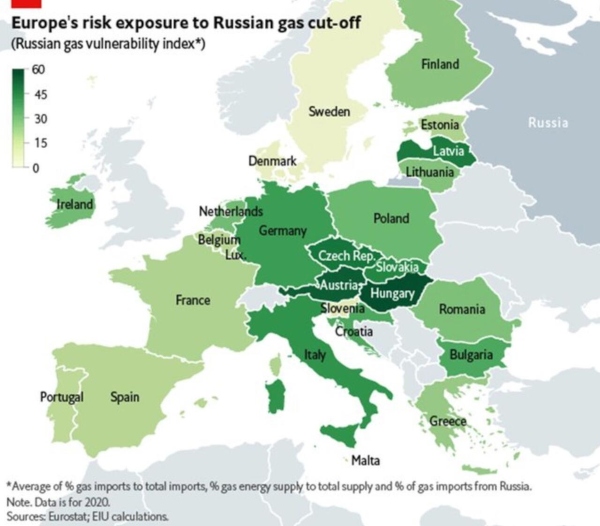
A new dependency: EU confronts energy vulnerability amid Greenland rift
By Willow Tohi // Share

RFK Jr. replaces entire federal autism panel as rates hit 1 in 31 children
By Cassie B. // Share
NASA prepares historic Artemis II moon mission, its first crewed lunar flight in 50 years
By Kevin Hughes // Share

Congress strikes deal to avert shutdown, delays DHS funding fight
By Belle Carter // Share
Iraq Detains Ukrainian Nationals Suspected in Plot Against Gulf Oil Facilities
By garrisonvance // Share
U.S. Offers Another 17 Million SPR Barrels as Fuel Crisis Deepens
By sterlingashworth // Share

U.S. Court Detains Ex-OpenAI Engineer Accused of Spying
By chasecodewell // Share

Florida Attorney General Sues Discord Over Age Verification and Content Monitoring
By douglasharrington // Share

IMF Chief Calls for AI Guardrails as Officials Weigh Economic Risks and Opportunities
By edisonreed // Share