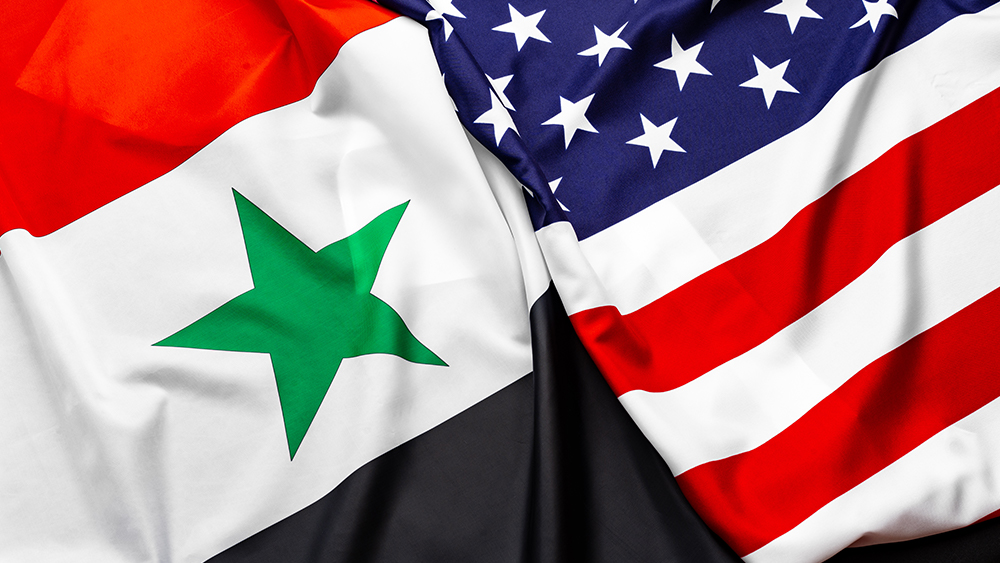
- The Trump administration shifts policy, withdrawing military aid from Syria's Kurdish-led Syrian Democratic Forces (SDF) in favor of the new Syrian government under President Ahmed al-Sharaa. U.S. Special Envoy Tom Barrack justifies the move, citing al-Sharaa's cooperation with Western counterterrorism efforts and reforms, like recognizing Kurdish language rights.
- Kurdish leaders accuse the U.S. of betrayal after years of fighting ISIS together. Damascus issues a 4-day ultimatum for Kurdish forces to surrender autonomy, raising fears of military escalation.
- Critics compare the policy shift to Trump's 2019 pullback, which allowed Turkey to attack Kurdish-held areas. Kurdish officials warn that vague promises of equality under al-Sharaa's government mask exclusion from power.
- Despite U.S. praise, al-Sharaa's militant past (including al-Qaeda ties) fuels doubts about his government's legitimacy. Sen. Lindsey Graham warns of potential U.S. sanctions if Kurdish rights are violated.
- The U.S. frames the shift as a step toward stability, but Kurdish autonomy hangs in the balance. Escalating clashes and diplomatic tensions leave Syria's future and U.S. reliability as an ally in question.
Kurdish disillusionment and regional tensions
The abrupt policy shift has drawn sharp criticism from Kurdish officials, who accuse Washington of abandoning them at a critical moment. The SDF, which played a pivotal role in defeating ISIS, now faces military pressure from Damascus, with al-Sharaa issuing a four-day ultimatum for Kurdish forces to surrender their autonomy. Syrian Kurdish leaders argue that promises of equal rights under the new government remain vague, particularly after al-Sharaa excluded them from his cabinet and postponed elections in Kurdish-majority regions. "We fought ISIS alongside the U.S., only to be told now that our struggle no longer matters," said a senior SDF commander, speaking on condition of anonymity. The U.S. withdrawal of support echoes a controversial 2019 decision under President Donald Trump, when American forces pulled back ahead of a Turkish offensive against Kurdish-held territories. At the time, Trump infamously justified the move by claiming the Kurds "didn't help us in World War II." While no such reasoning has been invoked this time, the latest shift has reignited debate over Washington's reliability as an ally.A new chapter for U.S.-Syria relations?
The Trump administration framed its policy change as part of a broader effort to stabilize Syria and reduce long-term U.S. military involvement. Barrack stressed that Washington's priorities are now limited to securing ISIS detention facilities and mediating talks between the SDF and Damascus. Yet skepticism remains over whether al-Sharaa's government can deliver on its promises of inclusivity. Critics point to his militant past, including ties to al-Qaeda in Iraq, and question whether his administration represents genuine reform or merely a rebranding of authoritarian rule. Sen. Lindsey Graham (R-SC) has warned that continued attacks on Kurdish-held areas could trigger U.S. sanctions, signaling potential resistance within Congress. But for now, the White House appears firmly behind al-Sharaa, with Trump previously praising him as a "young, attractive, tough guy." The U.S. decision to withdraw support from Syria's Kurds marks a pivotal moment in the decade-long conflict, underscoring Washington's pivot toward a centralized Syrian state under al-Sharaa. While the administration touts the move as a step toward stability, Kurdish leaders fear it will embolden Damascus to dismantle their hard-won autonomy. As clashes intensify and diplomatic tensions rise, the long-term consequences of this strategic shift for Syria's Kurds and the broader region remain uncertain. Watch the video below that talks about the U.S.'s forever war in Syria. This video is from Cynthia's Pursuit of Truth channel on Brighteon.com.Sources include:
News.AntiWar.com English.AlArabiya.net BrightU.ai Brighteon.com
Another arctic blast set to bring snow, record cold across Eastern and Southern U.S.
By Laura Harris // Share
Trump says Putin agreed to one-week halt in attacks on Kyiv amid deep freeze
By Laura Harris // Share
Congress strikes deal to avert shutdown, delays DHS funding fight
By Belle Carter // Share

AI Revolutionaries: How Artificial Intelligence Can Make Tyrannical Government Obsolete
By Mike Adams // Share
Why Trump’s War on Iran Would Shatter U.S. Military Readiness and Trigger Global Collapse
By Mike Adams // Share
From Broken Taillights to Broken Nations: The Hypocrisy of Conservative Vigilante Logic
By Mike Adams // Share
Iraq Detains Ukrainian Nationals Suspected in Plot Against Gulf Oil Facilities
By garrisonvance // Share
U.S. Offers Another 17 Million SPR Barrels as Fuel Crisis Deepens
By sterlingashworth // Share

U.S. Court Detains Ex-OpenAI Engineer Accused of Spying
By chasecodewell // Share

Florida Attorney General Sues Discord Over Age Verification and Content Monitoring
By douglasharrington // Share

IMF Chief Calls for AI Guardrails as Officials Weigh Economic Risks and Opportunities
By edisonreed // Share
