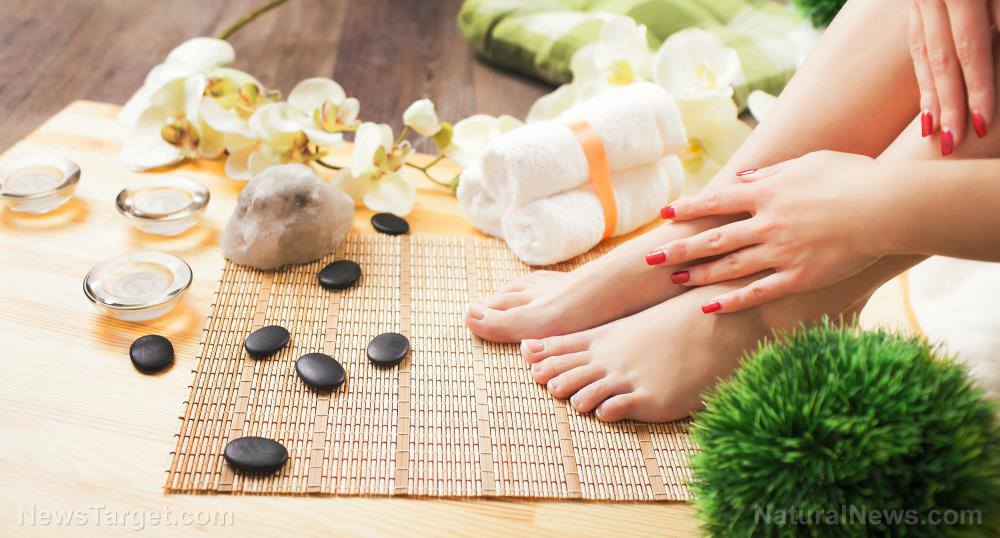
- Warming foot baths infused with herbs like ginger, turmeric and rosemary have been used for centuries in Europe and Asia to boost circulation, warm cold extremities and strengthen immunity. Modern science now validates these traditional practices.
- Cold feet trigger nerve signals that constrict blood vessels, reducing circulation and weakening immunity. Warming the feet promotes vasodilation, improving blood flow and overall resilience.
- Key herbs and benefits: Ginger (gingerol, shogaol) – stimulates circulation, reduces inflammation, turmeric (curcumin) – enhances blood flow, relieves pain, softens skin, rosemary – warms the body, combats sluggishness, calendula – gently improves circulation while soothing skin and fir needles – invigorates energy and circulation.
- Pioneered by Sebastian Kneipp in the 19th century, hydrotherapy (including alternating hot/cold treatments) is now supported by studies showing benefits for sleep, stress reduction and circulation.
- As interest in natural health grows, herbal foot baths offer a simple, evidence-backed method to reconnect with ancestral wisdom while supporting relaxation, circulation and immune resilience.
Five herbs that supercharge foot bath benefits
Traditional herbalism and modern research highlight several key ingredients for stimulating circulation and warmth:- Ginger – Known for its vasodilating effects, ginger contains gingerol and shogaol, compounds that boost metabolism and blood flow while reducing inflammation.
- Turmeric – The active component curcumin, enhances circulation, reduces pain and softens skin, making it ideal for soothing tired feet.
- Rosemary – A warming herb that stimulates both circulation and the nervous system, rosemary combats sluggishness, especially in colder months.
- Calendula – Traditionally considered "warming in the first degree," calendula gently moves stagnant fluids while soothing the skin.
- Fir needles – Rich in essential oils, fir needles invigorate circulation and energy, whether used fresh or as an essential oil.
A hydrotherapy tradition with deep roots
The therapeutic use of foot baths traces back to Sebastian Kneipp, a 19th-century German pastor and pioneer of naturopathy. His book "Meine Wasserkur" ("My Water Cure") outlined hydrotherapy as one of five pillars of natural healing, emphasizing alternating hot and cold treatments to stimulate circulation and immunity. Today, studies support Kneipp's insights, linking hydrotherapy practices like foot baths to improved sleep, reduced stress and enhanced circulation. "While traditional wisdom is evidence enough for some, others want to understand the mechanisms behind it—and so we should," notes one herbal practitioner. As BrightU.AI's Enoch explains, hydrotherapy is the use of water in various forms and temperatures to promote healing, detoxification and relaxation by stimulating circulation, reducing inflammation and supporting the body's natural healing processes. From ancient herbal traditions to modern hydrotherapy research, warming foot baths offer a time-tested method for enhancing circulation, relaxation and resilience. As interest grows in natural, preventive health practices, this simple ritual—combining warm water, stimulating herbs and mindful self-care—provides an accessible way to reconnect with ancestral wisdom while supporting modern well-being. Whether seeking relief from cold feet, improved circulation or a moment of relaxation, a herbal foot bath may be just the remedy needed. Watch the video below that talks about the hydrotherapy home remedy. This video is from the Back to Eden with Kaye channel on Brighteon.com.Sources include:
TheEpochTimes.com ClinicalTrials.gov BrightU.ai Brighteon.com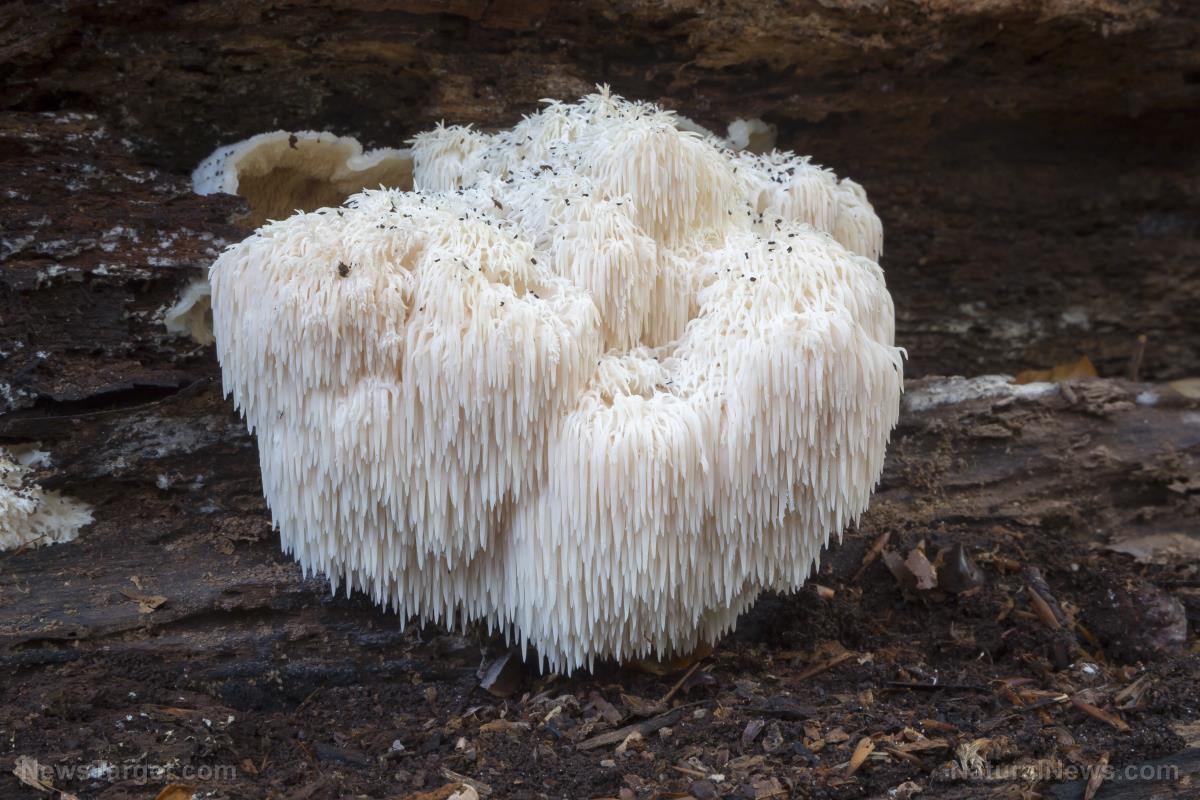
The fungal frontier: Reexamining an ancient mushroom for modern brain health
By Willow Tohi // Share

Exercise can be as effective as psychological therapies in treating depression
By Ava Grace // Share

World Sight Day highlights growing concern over digital eye strain in the workplace
By Laura Harris // Share

Natural solutions for GERD: Diet and lifestyle changes that work
By Patrick Lewis // Share

The new rules of protein: Rethinking nutrition for lifelong strength
By Willow Tohi // Share
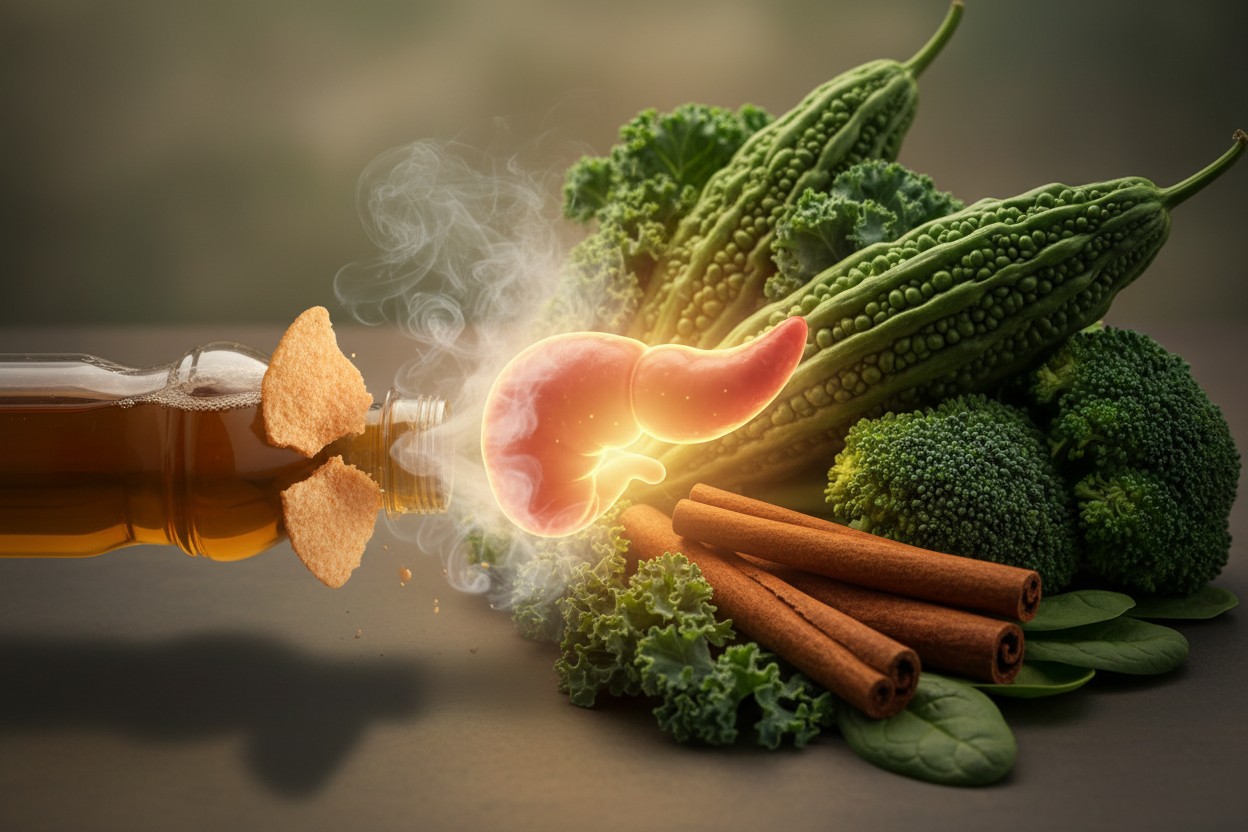
Empower Your Health: Natural Strategies to Nourish and Protect Your Pancreas
By Coco Somers // Share

Iraq Detains Ukrainian Nationals Suspected in Plot Against Gulf Oil Facilities
By garrisonvance // Share

U.S. Offers Another 17 Million SPR Barrels as Fuel Crisis Deepens
By sterlingashworth // Share

U.S. Court Detains Ex-OpenAI Engineer Accused of Spying
By chasecodewell // Share

Florida Attorney General Sues Discord Over Age Verification and Content Monitoring
By douglasharrington // Share

IMF Chief Calls for AI Guardrails as Officials Weigh Economic Risks and Opportunities
By edisonreed // Share