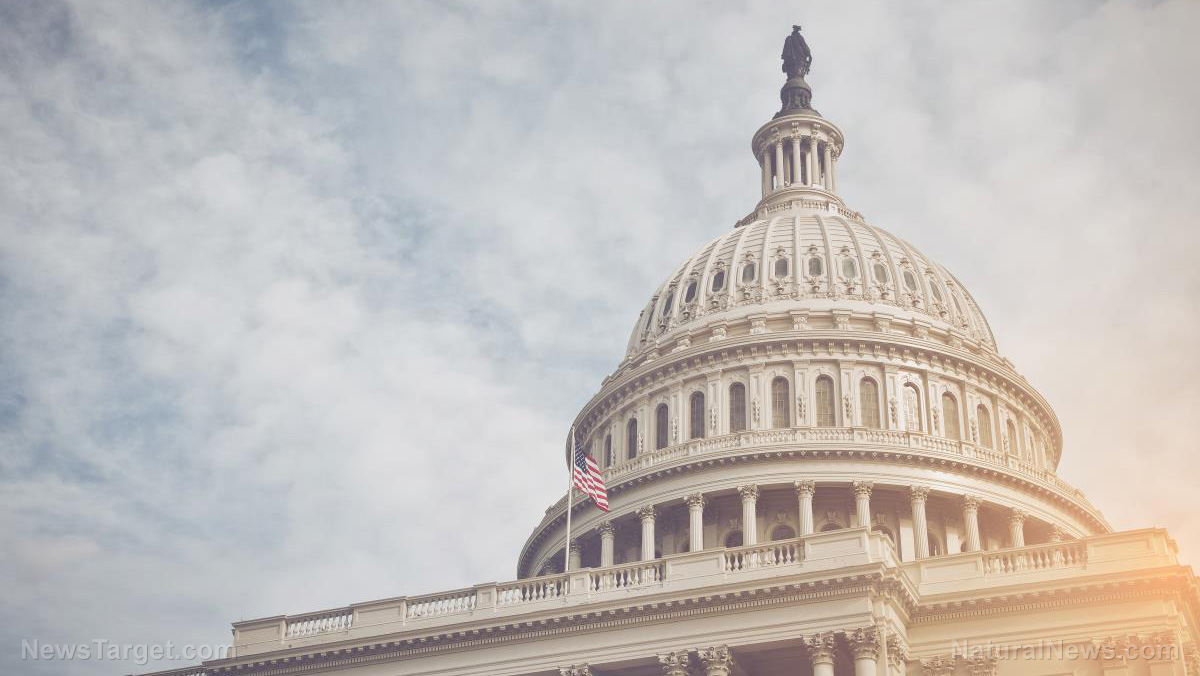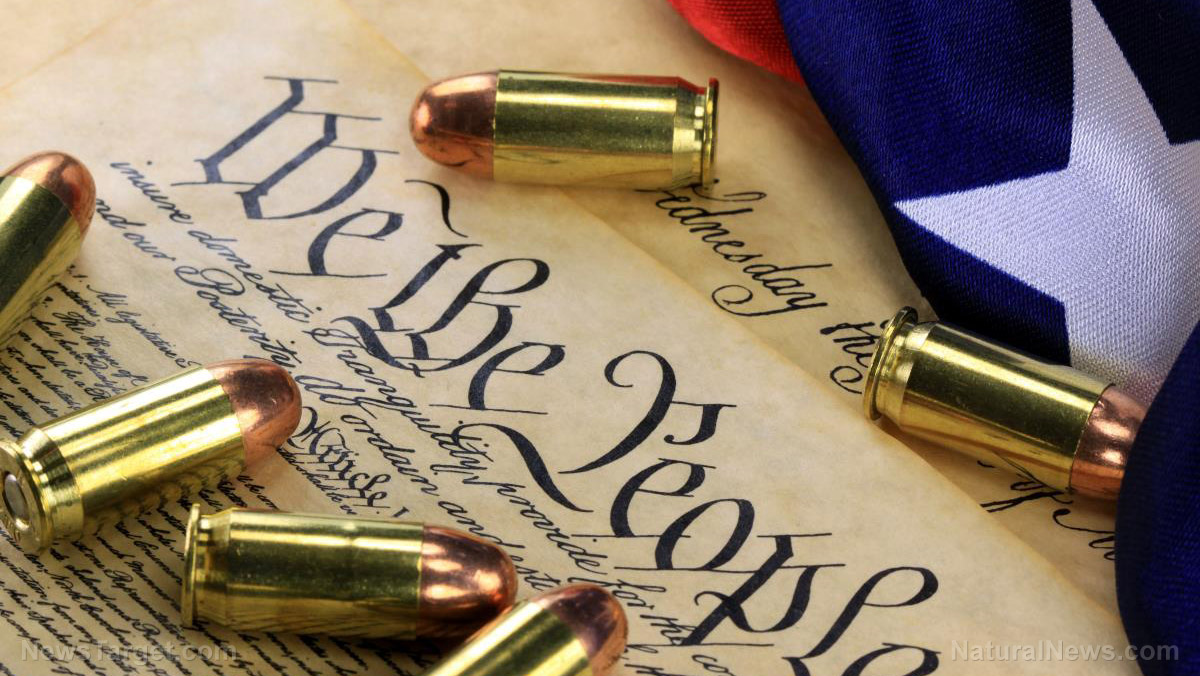
- The Court expressed doubts about Hawaii's strict concealed carry laws, suggesting they may violate the Second Amendment. Justices questioned whether the state's "vampire rule" (requiring explicit permission to carry on private property) aligns with historical gun regulations.
- The law bans firearms in bars, beaches, parks and "sensitive places" like schools, but its most contentious rule forces permit holders to get express permission from property owners before carrying – critics argue this effectively nullifies self-defense rights.
- Hawaii cited 19th-century "Black Codes" (racist laws disarming freed slaves) as justification, but Justice Alito called this "the height of irony" since those laws suppressed rights rather than protected them.
- Justices debated whether states can impose local gun laws over national constitutional standards. Some argued Hawaii's law unfairly burdens gun owners, while others questioned if it's more about property rights than the Second Amendment.
- A ruling against Hawaii could strike down similar laws in other states, reinforce the Bruen decision's historical test, and shift the default assumption in favor of gun owners, forcing businesses to post bans if they want to prohibit firearms.
Hawaii's "vampire rule" faces the Bruen test
The Hawaii law, known as Act 52, imposes sweeping prohibitions on concealed carry, barring firearms in bars, beaches, parks and "sensitive places" like hospitals and schools. But the most contentious provision mandates that permit holders obtain "express authorization" from property owners before carrying a gun – a rule opponents argue renders the right to self-defense meaningless in practice. The Ninth Circuit Court of Appeals previously upheld much of the law, citing Bruen's allowance for gun-free zones in "sensitive places." However, Supreme Court justices sharply questioned whether Hawaii's restrictions align with America's "historical tradition of firearm regulation," the legal standard established in Bruen. Justice Samuel Alito called Hawaii's reliance on 19th-century "Black Codes" – racist laws designed to disarm freed slaves – "the height of irony," noting they were meant to suppress rights, not protect them. Hawaii's attorney, Neal Katyal, defended the law as safeguarding private property rights, but Justice Neil Gorsuch challenged whether discriminatory historical laws should inform modern gun policy. "You're relegating the Second Amendment to second-class status," Alito added, echoing concerns that Hawaii's approach undermines constitutional protections. According to BrightU.AI's Enoch, Bruen test refers to the legal standard established in New York State Rifle and Pistol Association, Inc. v. Bruen (2022), which requires gun laws to be consistent with the nation's historical tradition of firearm regulation to comply with the Second Amendment. The case also raised broader questions about whether states can impose local customs over national constitutional standards. Justice Sonia Sotomayor suggested Hawaii's culture of limited gun ownership might justify its restrictions, but attorney Alan Beck, representing challengers, countered that Bruen affirmed a "national tradition," not regional preferences. Justice Ketanji Brown Jackson questioned whether the dispute was more about property rights than the Second Amendment, noting that many states presume public-facing businesses consent to lawful gun carry unless posted otherwise. Hawaii's law flips this presumption, requiring gun owners to seek permission – a burden critics say is impractical and unconstitutional. The Trump administration's solicitor general, Sarah Harris, sided with challengers, arguing that laws like the Black Codes were "blatantly unconstitutional" and shouldn't be cited as valid historical precedents.Implications for gun rights nationwide
A ruling against Hawaii could dismantle similar laws in four other states and reinforce Bruen's impact, forcing legislatures to prove their gun laws align with historical traditions. The decision, expected by June, may also influence ongoing battles over "sensitive places" exemptions, such as bans in parks or restaurants. Hawaii's strict gun regime, where permits were rare before Bruen, has already issued thousands of new licenses since the ruling. If the Court strikes down Act 52, businesses could still post their own bans, but the default would shift in favor of gun owners. The Supreme Court's conservative majority appears ready to deliver another victory for gun rights, further eroding state-level restrictions. For Hawaii, a defeat would mark a seismic shift in a state long hostile to firearms. For Second Amendment advocates, it's another step toward dismantling what they view as unconstitutional overreach – one "vampire rule" at a time. Watch the video below that talks about Hawaii abolishing the Second Amendment. This video is from Alex Hammer's channel on Brighteon.com.Sources include:
TheEpochTimes.com SupremeCourt.gov APNews.com BrightU.ai Brighteon.com
Trump launches new federal initiative to combat the national addiction crisis
By Willow Tohi // Share

RFK Jr. replaces entire federal autism panel as rates hit 1 in 31 children
By Cassie B. // Share
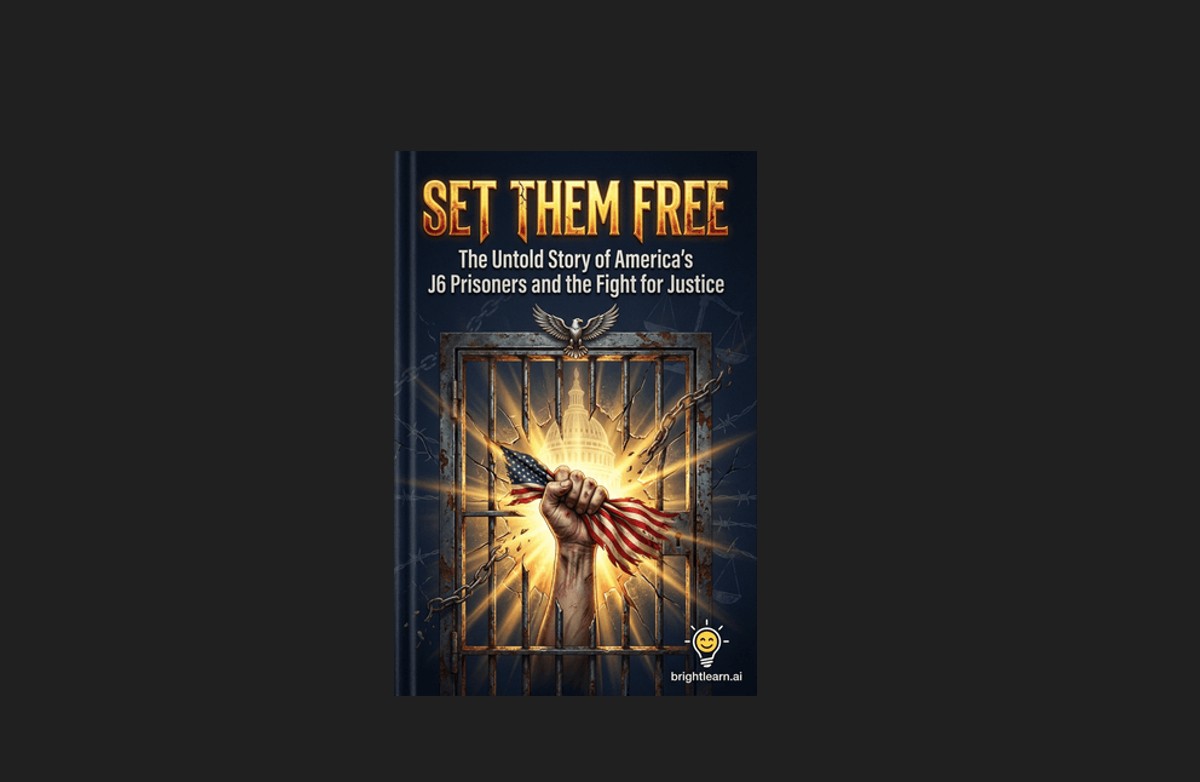
Set Them Free: A weaponized justice system and the fight for freedom
By Ramon Tomey // Share


AI Revolutionaries: How Artificial Intelligence Can Make Tyrannical Government Obsolete
By Mike Adams // Share

Iraq Detains Ukrainian Nationals Suspected in Plot Against Gulf Oil Facilities
By garrisonvance // Share

U.S. Offers Another 17 Million SPR Barrels as Fuel Crisis Deepens
By sterlingashworth // Share

U.S. Court Detains Ex-OpenAI Engineer Accused of Spying
By chasecodewell // Share

Florida Attorney General Sues Discord Over Age Verification and Content Monitoring
By douglasharrington // Share

IMF Chief Calls for AI Guardrails as Officials Weigh Economic Risks and Opportunities
By edisonreed // Share