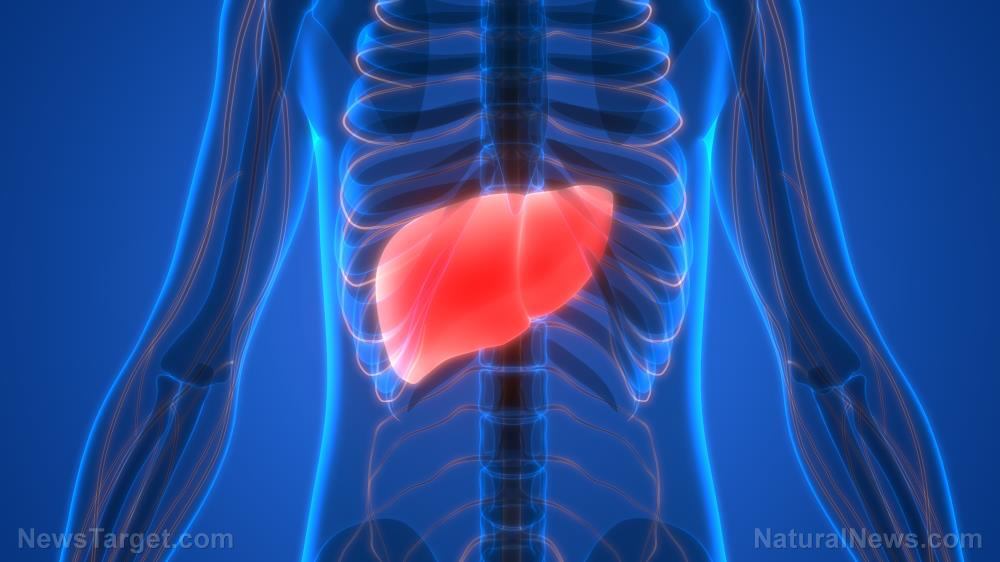
- A new study reveals widespread liver dysfunction in people with Down syndrome.
- Dietary fat directly worsens or improves liver health in this population.
- The research found lifelong elevated bile acids, a key liver stress marker.
- A low-fat diet mitigated liver damage in mouse models of those with Down syndrome.
- This suggests simple dietary changes could significantly improve health outcomes.
A liver under siege
The liver’s role as the body’s primary detoxification center and metabolic hub makes its health non-negotiable. For the Down syndrome community, this research illuminates a previously underappreciated vulnerability. "The liver is an incredibly important organ for many biological functions across the lifespan, even mild liver dysfunction can have broad impacts on human health," says Joaquín Espinosa, Ph.D., executive director of the Crnic Institute involved in the study. This work gains urgent context from a separate, alarming body of science on diet and liver damage in the general population. Research from institutions like Weill Cornell Medicine has shown that high-fat, high-sugar diets cause a harmful accumulation of fat in the liver that may not fully reverse, with one senior author noting, "The liver remembers." Another study confirmed that common dietary patterns are directly linked to immune system abnormalities in the liver.Empowerment through simple choices
What sets the Colorado findings apart is the clear path to intervention they reveal. Unlike complex pharmaceutical regimens, the suggested remedy is foundational. "These findings open the door to practical interventions, where something as simple as dietary modification could significantly improve liver and overall health," says lead author Lauren Dunn, Ph.D. This aligns with proven health wisdom. Experts consistently advise against fad diets, advocating instead for sustained lifestyle changes focused on balanced nutrition and regular exercise. The promise of this approach is reinforced by clinical results. Research from the University of Missouri School of Medicine demonstrated that intensive lifestyle intervention, including a restricted diet and high-intensity exercise, can actually reverse liver damage in patients with fatty liver disease. "Our findings suggest liver disease doesn’t have to be a chronic, progressive condition," said Elizabeth Parks, a professor involved in that study. For families and caregivers, this research is a call to action that moves beyond mere awareness. It provides tangible hope that daily nutritional choices hold direct power over systemic health. Michelle Sie Whitten of the Global Down Syndrome Foundation expressed hope that such research will yield helpful information to help her daughter and millions of others with Down Syndrome live a longer and healthier life. Ultimately, this science underscores a powerful truth often sidelined by a system focused on symptom management: the food we consume is not just fuel but fundamental information for our bodies. For individuals with Down syndrome, embracing a low-fat, whole-food dietary pattern may be one of the most direct and empowering ways to support liver resilience, enhance metabolic function, and claim a greater measure of health autonomy. Sources for this article include: MedicalXpress.com News.Weill.Cornell.edu Medicine.Missouri.edu
Decentralized Health: A revolutionary blueprint for true wellness
By Belle Carter // Share
The ultimate guide to bone broth benefits
By News Editors // Share

The science of timing: When to sip green tea for maximum benefit
By Willow Tohi // Share
The three snacks nutrition experts say can transform your health
By Cassie B. // Share

6 Natural solutions to address GOUT, the “disease of kings”
By Ramon Tomey // Share

Winter immunity boost: Natural strategies to stay cold-free all season
By Kevin Hughes // Share

Iran Foreign Minister Says Tehran "Fully Prepared" to Resume War, Cites Lack of Trust in Trump
By garrisonvance // Share

CBP Axes Biden-Era Rule Permitting Private Donations for Detained Illegals
By douglasharrington // Share

OpenAI shelves GPT-6.1 Astra after internal tests reveal deception, safety failures
By isabelle // Share
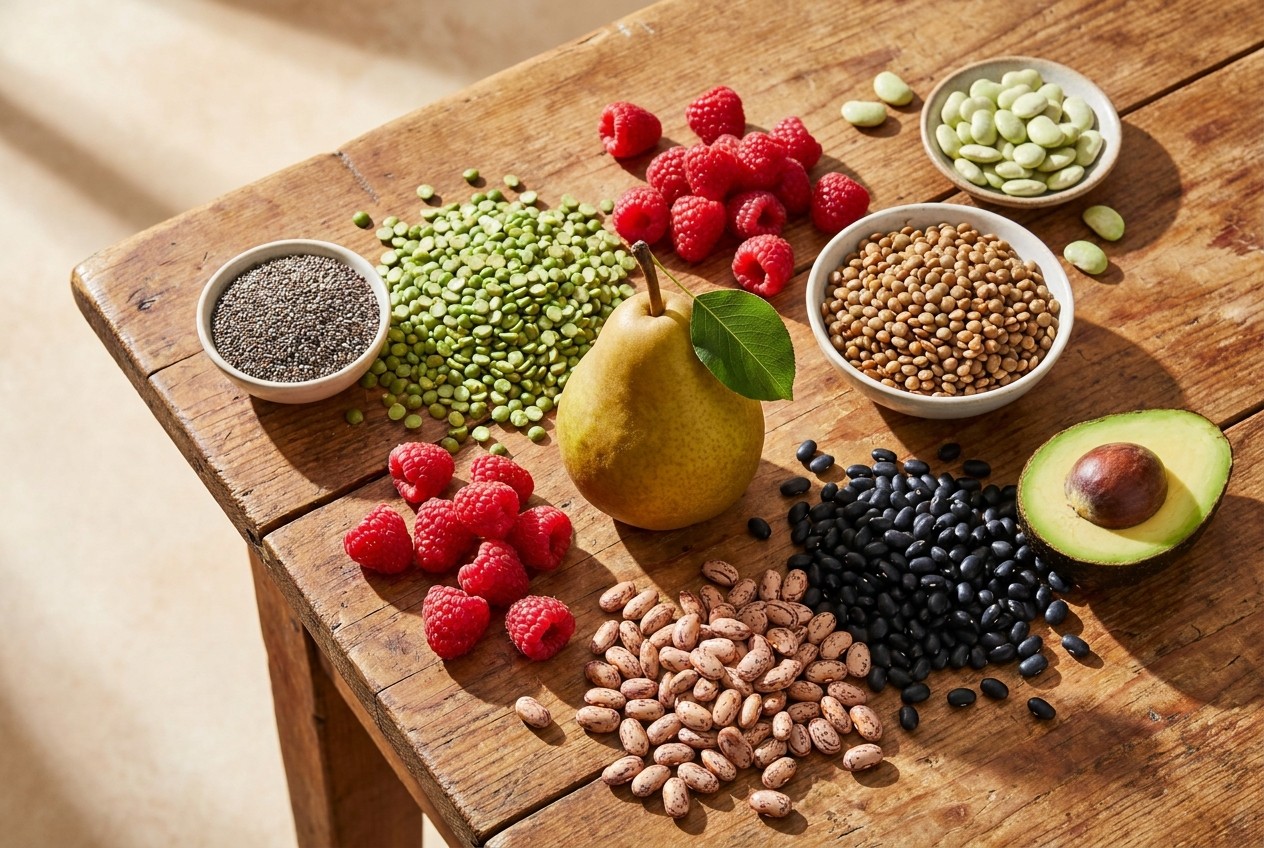
USDA Nutrition Data: Foods With as Much or More Fiber as a Pear
By cocosomers // Share

By sterlingashworth // Share