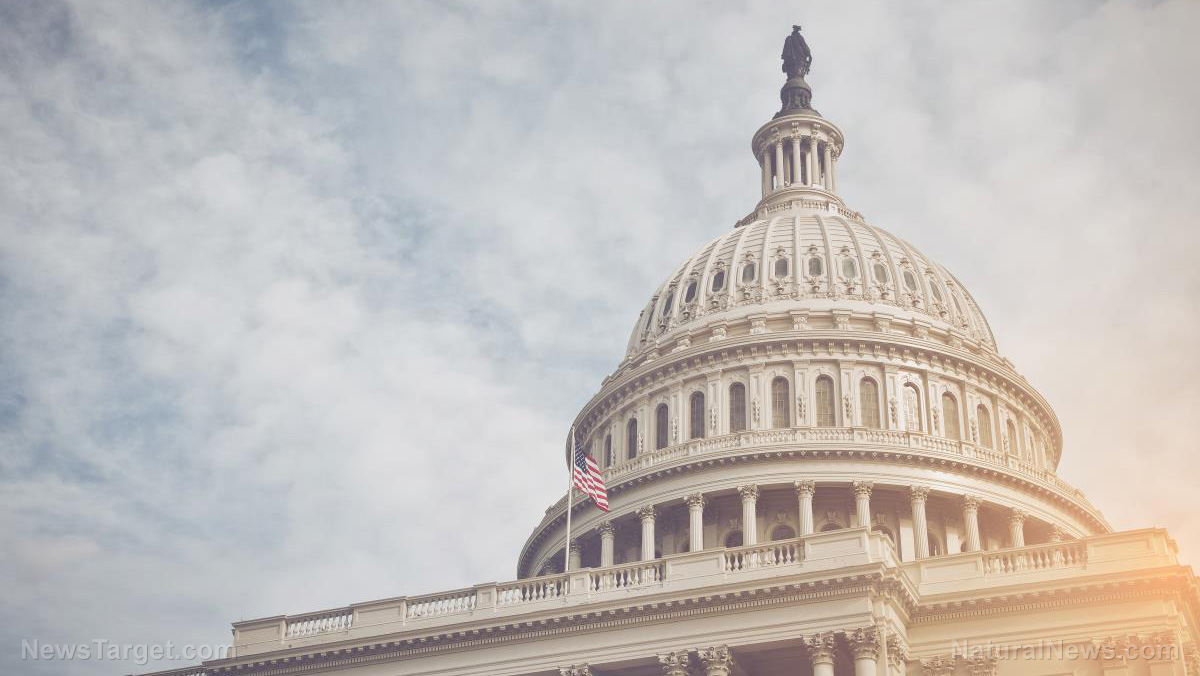
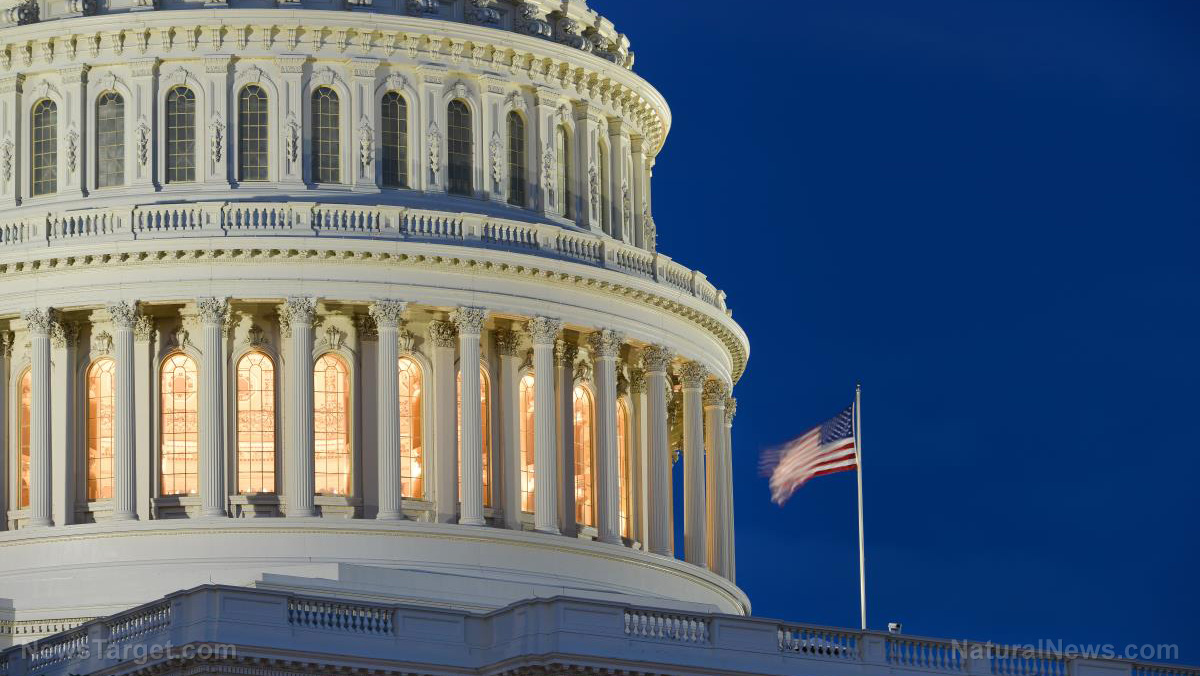
- The U.S. House of Representatives passed the final four bills of the Fiscal Year 2026 federal budget on January 22, sending them to the Senate.
- The $1.2 trillion package funds key agencies including Defense, Homeland Security, Health and Human Services and Education.
- A partial government shutdown will occur on January 30 if the Senate does not pass the bills and send them to the President.
- The Homeland Security funding bill faces significant Democratic opposition over concerns about Immigration and Customs Enforcement (ICE) operations.
- The Senate, currently on recess, must pass six total appropriations bills before the deadline to avoid a shutdown.
Navigating a political minefield
The House’s passage of the four-bill “minibus” package represents the culmination of the annual appropriations process, a fundamental congressional duty outlined in the Constitution. Historically, this process has been fraught with last-minute negotiations and brinkmanship, often leading to temporary funding patches or, as seen in a record 43-day stretch last year, full-scale shutdowns. This year’s effort aimed to replace temporary measures with full-year funding, a goal touted by House Republican leadership as a return to regular order and a fulfillment of the “America First” agenda. However, the path forward remains precarious, as the Senate is currently on a one-week recess and must reconcile its own versions of six outstanding bills with the House’s proposals before the fast-approaching deadline.Homeland Security bill sparks Democratic revolt
While three of the four bills passed with wide bipartisan margins, the fourth—funding the Department of Homeland Security (DHS)—passed narrowly on a near-party-line vote of 220-207. The bill has become a flashpoint, with House Democratic leaders publicly urging their caucus to oppose it. Their opposition stems from concerns that the legislation inadequately addresses the enforcement tactics of Immigration and Customs Enforcement (ICE), particularly following the recent fatal shooting of a U.S. citizen by an ICE agent in Minnesota. Democrats argue the bill fails to impose sufficient oversight and accountability on the agency, which is central to President Donald Trump’s immigration crackdown. The bill holds ICE funding roughly flat and includes $20 million for body cameras, provisions critics deem insufficient to rein in what they see as overreach.Senate hurdles and legislative tightrope
The Senate now faces the complex task of passing the House’s bills alongside its own remaining appropriations measures in a compressed timeframe. Beyond the contentious DHS funding, other potential obstacles loom. Some Midwestern Republicans have pushed for provisions to allow year-round sales of E15 gasoline, a move opposed by environmental groups and some lawmakers. Furthermore, a winter storm forecast for Washington could disrupt the legislative schedule, adding another layer of uncertainty. The political calculus is delicate: while there is broad consensus to avoid a shutdown, the specific provisions within each bill, particularly for Homeland Security, threaten to derail a swift resolution.A legacy of budgetary brinkmanship
The current standoff is the latest chapter in a decades-long trend of congressional budget battles that increasingly push the government to the edge of a shutdown. Since the modern budget process was established in the 1970s, the use of continuing resolutions and omnibus packages has become commonplace, often eroding the detailed oversight intended by the separate appropriations process. These high-stakes negotiations frequently hinge on contentious policy riders, turning must-pass spending bills into vehicles for political clashes over issues like immigration, healthcare and environmental regulation. The outcome of this cycle will test whether a divided government can fulfill its basic funding responsibilities or if the nation is destined for another period of federal uncertainty.A deadline looms for the upper chamber
With the House’s work complete, the focus intensifies on the Senate as the January 30 shutdown deadline draws near. The passage of the funding bills by the lower chamber sets the stage for a critical week of negotiation and vote-counting in the upper chamber. The nation watches to see if lawmakers can bridge their deep policy divides to keep the government operational, or if the political discord over immigration and enforcement will trigger the first partial shutdown of the new fiscal year. The outcome will have immediate consequences for federal operations and serve as a telling indicator of the legislative productivity possible in a politically polarized Washington. Sources for this article include: JustTheNews.com CNBC.com ABCNews.go.com
Clintons agree to TESTIFY before Congress over Epstein links after threat of contempt charges
By Ramon Tomey // Share

House passes stopgap funding bill to avert shutdown
By Belle Carter // Share
Energy, Minerals, and Fuel: The Three-Pronged Failure That Doomed American Dominance
By Mike Adams // Share

The Health Collapse: How America’s Sickness Doomed Its Civilization
By Mike Adams // Share

NATO’s Folly: A March Toward Total War and Western Europe’s Destruction
By Mike Adams // Share
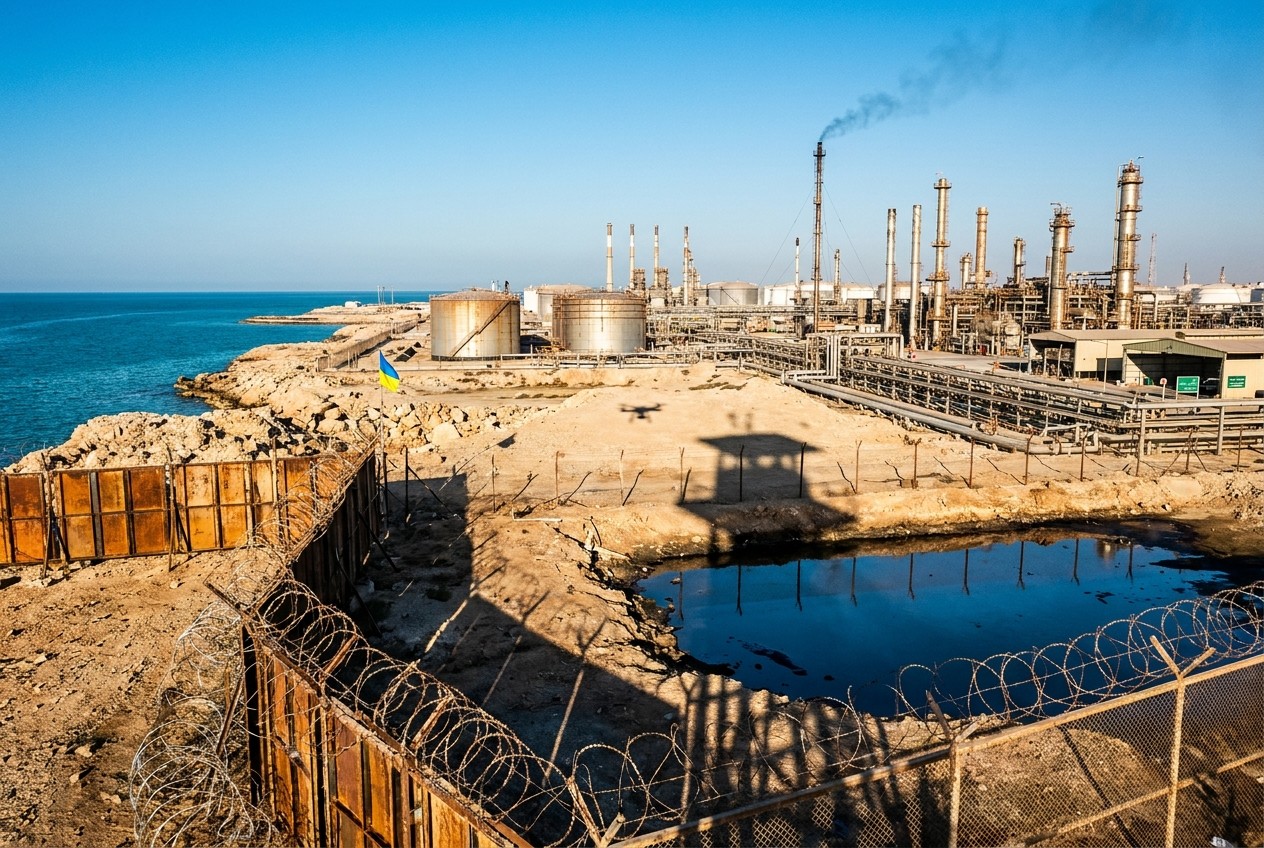
Iraq Detains Ukrainian Nationals Suspected in Plot Against Gulf Oil Facilities
By garrisonvance // Share

U.S. Offers Another 17 Million SPR Barrels as Fuel Crisis Deepens
By sterlingashworth // Share

U.S. Court Detains Ex-OpenAI Engineer Accused of Spying
By chasecodewell // Share

Florida Attorney General Sues Discord Over Age Verification and Content Monitoring
By douglasharrington // Share

IMF Chief Calls for AI Guardrails as Officials Weigh Economic Risks and Opportunities
By edisonreed // Share