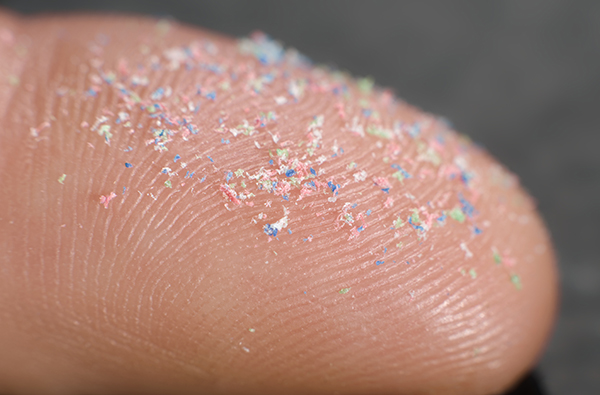
- A class-action lawsuit alleges Ziploc storage bags and containers release microplastics into food when microwaved or frozen.
- The suit claims marketing products as "microwave-safe" and "freezer-safe" is deceptive without health warnings.
- Microplastics, linked to potential health risks, are pervasive in the environment and food chain.
- Regulatory bodies like the FDA state current evidence does not prove microplastic levels in food pose a health risk.
- The case highlights a growing public concern over plastic safety and a perceived gap in regulation and consumer information.
The core of the controversy: Allegations of deception and omission
The plaintiff, Linda Cheslow of Santa Rosa, contends that Ziploc products, made from polyethylene and polypropylene, are “fundamentally unfit” for their advertised uses. The complaint argues that scientific evidence shows these plastics shed microscopic particles when subjected to temperature extremes like microwave heating or freezing. Central to the lawsuit is the claim that despite this alleged risk, S.C. Johnson provides no warning on its packaging about potential microplastic contamination. The suit asserts that reasonable consumers, had they been informed, would not have purchased the products or would have paid less for them. It seeks injunctive relief to halt the contested marketing, along with restitution and damages.Understanding the invisible ingredient: What are microplastics?
Microplastics are plastic particles smaller than five millimeters, often resulting from the breakdown of larger plastic waste. They have become pervasive environmental contaminants, found in air, water and soil, and consequently, throughout the food chain. A growing body of research, including studies cited in the lawsuit, suggests ingestion of these particles may be linked to inflammatory responses, disruptions to immune and reproductive systems, and increased production of carcinogens. A 2023 study highlighted in the complaint indicated that microwave heating could release millions of microplastic and nanoplastic particles from some plastic containers in mere minutes.The regulatory landscape: A question of evidence and trust
The lawsuit enters a complex scientific and regulatory arena. The U.S. Food and Drug Administration (FDA), the primary agency overseeing food contact substances, maintains a cautious stance. While acknowledging microplastics are present in the environment and can enter the food supply, the FDA states that “current scientific evidence does not demonstrate that the levels of microplastics or nanoplastics detected in foods pose a risk to human health.” The agency also notes significant challenges in standardizing detection methods, leading to variability in study results. This official position, however, often clashes with public perception and emerging independent research, fueling skepticism about institutional assurances of safety.From miracle material to ubiquitous pollutant
The current legal and health debate over plastics represents a dramatic pivot from their mid-20th century introduction, when they were hailed as revolutionary, disposable conveniences. The very durability that made them ideal for storage and packaging has created a legacy of persistent pollution. As plastic waste accumulated in ecosystems, the discovery of microplastics—and their infiltration into human bodies—has transformed the narrative. Today’s lawsuits and health concerns are a direct consequence of this decades-long lifecycle, forcing a reevaluation of a material deeply embedded in global consumer culture.A broader reckoning for consumer safety
The case against Ziploc is more than a dispute over product labeling; it is a symptom of a broader societal reckoning. It highlights a tension between established regulatory frameworks, which often require conclusive proof of harm before action, and a precautionary public increasingly wary of chronic, low-level exposure to synthetic materials. Whether the lawsuit succeeds or not, it amplifies urgent questions about chemical regulation, corporate transparency and the long-term health costs of convenience. The outcome may influence not only kitchen habits but also the future of how everyday products are tested, marketed and trusted in an era of environmental awareness. Sources for this article include: WattsUpWithThat.com NBCBayArea.com FDA.gov
Chinese “smart vapes” exposed as Trojan horses for CCP espionage and cartel cash
By Lance D Johnson // Share
Inevitable: Structural flaws, not chance, drove Obamacare’s soaring premiums
By Willow Tohi // Share


New study finds ocean’s natural “antacid” fights acidification faster than predicted
By Cassie B. // Share
The gut-liver axis: A new front in the sweetener wars
By Willow Tohi // Share

Iraq Detains Ukrainian Nationals Suspected in Plot Against Gulf Oil Facilities
By garrisonvance // Share

U.S. Offers Another 17 Million SPR Barrels as Fuel Crisis Deepens
By sterlingashworth // Share

U.S. Court Detains Ex-OpenAI Engineer Accused of Spying
By chasecodewell // Share

Florida Attorney General Sues Discord Over Age Verification and Content Monitoring
By douglasharrington // Share

IMF Chief Calls for AI Guardrails as Officials Weigh Economic Risks and Opportunities
By edisonreed // Share
