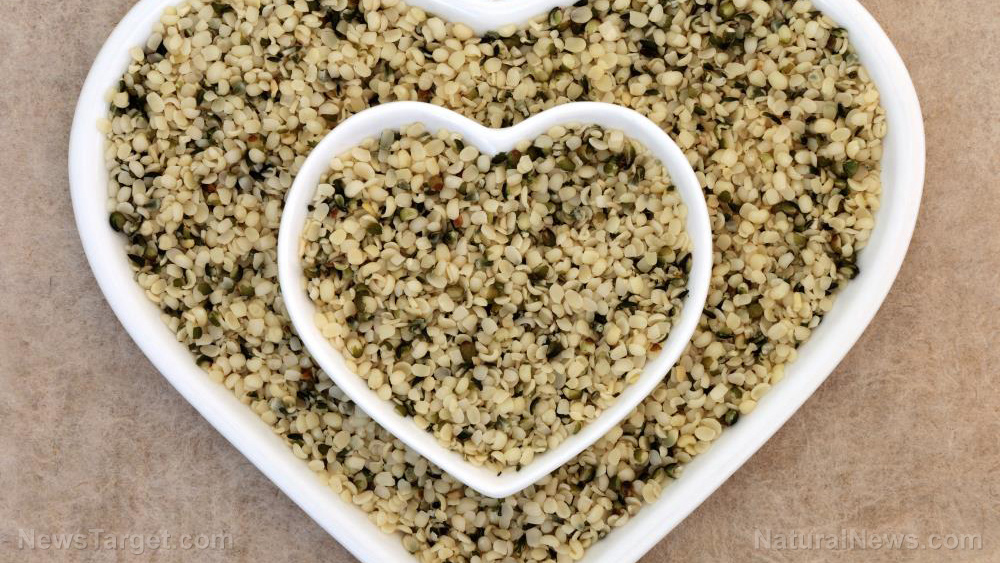
- Fiber is a powerful defender against chronic diseases like heart disease and cancer.
- Most Americans consume far less than the recommended 25 grams daily.
- Increasing daily fiber intake significantly lowers mortality and disease risk.
- Soluble fiber from oats and beans actively lowers harmful cholesterol.
- Achieving these benefits is accessible through simple, whole plant-based foods.
The cholesterol connection
A key mechanism behind this protection involves cholesterol management. Soluble fiber, found abundantly in oats, beans, flaxseed, and fruits, performs a vital cleansing function in the digestive tract. "Soluble fiber becomes a thick gel in our intestines, which slows digestion and traps fats so they can't all be absorbed," explains Harvard Health. This gel-like substance binds to cholesterol particles, preventing their absorption and ushering them out of the body. According to the National Lipid Association, consuming just 5 to 10 grams of soluble fiber daily can lower LDL cholesterol by 5 to 11 points.A multi-front defense
The benefits of a high-fiber diet extend far beyond the cardiovascular system. By slowing digestion, fiber prevents the rapid blood sugar spikes that can lead to insulin resistance and type 2 diabetes. A 2020 review noted that people with diabetes who consumed 35 grams of fiber per day had better blood sugar control than those eating only 19 grams. Furthermore, fiber promotes satiety. High-fiber foods require more chewing and take longer to digest, helping your body recognize fullness sooner, which can naturally lead to consuming fewer calories and supporting weight management. The protective effects reach into the colon as well. Consuming 25 to 30 grams of fiber daily has been shown to help prevent diverticular disease. The American Institute for Cancer Research recommends at least 30 grams per day to lower the risk of colorectal cancer. This is not about a single miracle food but the consistent, cumulative effect of a diet centered on whole plant foods. The path to achieving these benefits is accessible. It does not require exotic supplements or expensive superfoods. A simple meal of boiled lentils, a whole-wheat wrap, hummus, and a side salad can deliver half the recommended daily fiber. The core strategy is consistent: regularly consume fruits, vegetables, beans, legumes, nuts, seeds, and whole grains. For generations, dietary advice has often been complex and contradictory. Yet the science on fiber presents a rare and powerful consensus. In a world of processed foods designed for convenience, returning to the whole, fibrous foods that have sustained human health for millennia is a radical act of prevention. The substance that keeps our digestive system running smoothly is also a fundamental guardrail against chronic disease. Filling your plate with fiber is one of the simplest and most effective investments you can make for a longer, healthier life. Sources for this article include: Health.com Health.Harvard.edu Heart.org Health.Harvard.edu Healthline.com
Sleep better tonight: 9 Science-backed foods and drinks to consume before bed
By Kevin Hughes // Share

Natural energy boosters: Top foods to combat fatigue and stay energized
By Kevin Hughes // Share

Beyond milk: The best calcium-rich foods for strong bones
By Patrick Lewis // Share
Anti-inflammatory powerhouses: The best protein sources to fight chronic disease
By Ramon Tomey // Share
The science of fasting: How skipping meals could extend your life
By Belle Carter // Share
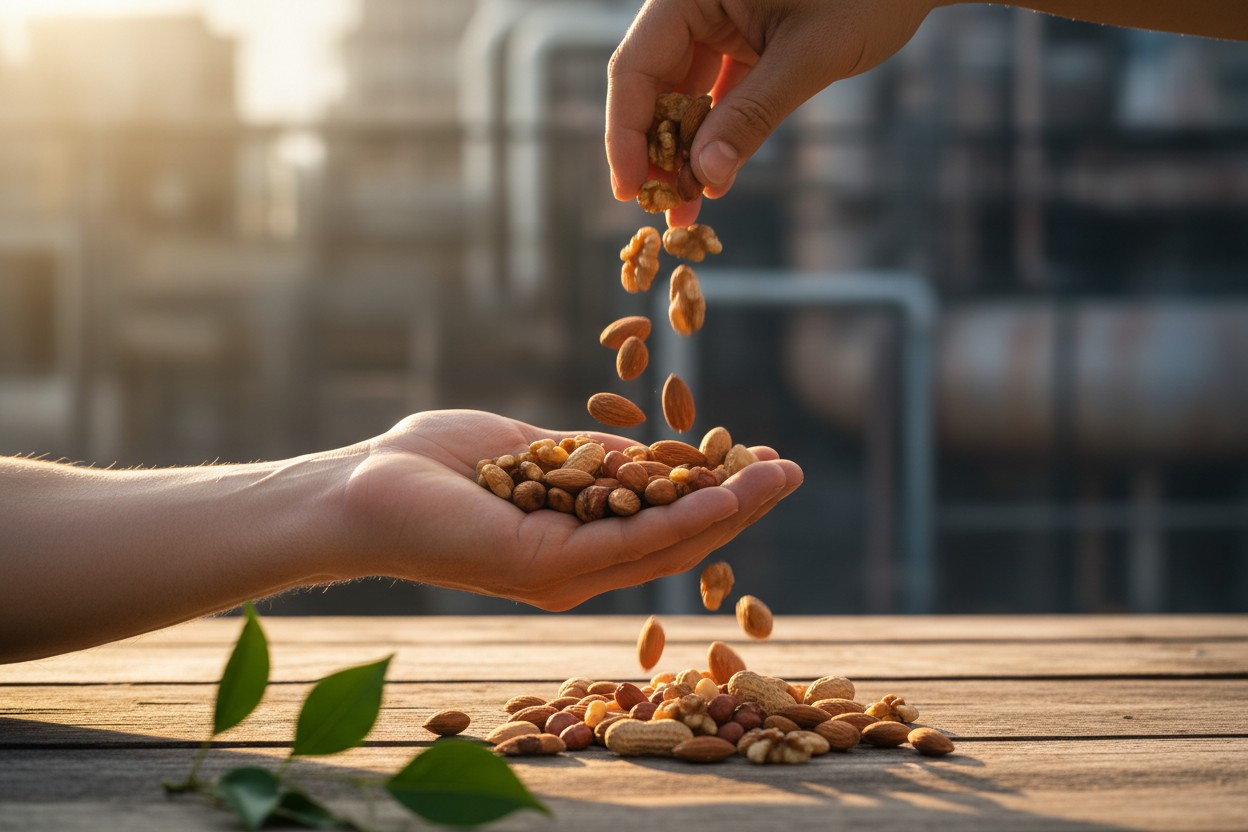
Nuts and Uric Acid: The Natural Truth for Gout and Holistic Health
By Coco Somers // Share

Iraq Detains Ukrainian Nationals Suspected in Plot Against Gulf Oil Facilities
By garrisonvance // Share

U.S. Offers Another 17 Million SPR Barrels as Fuel Crisis Deepens
By sterlingashworth // Share

U.S. Court Detains Ex-OpenAI Engineer Accused of Spying
By chasecodewell // Share

Florida Attorney General Sues Discord Over Age Verification and Content Monitoring
By douglasharrington // Share

IMF Chief Calls for AI Guardrails as Officials Weigh Economic Risks and Opportunities
By edisonreed // Share