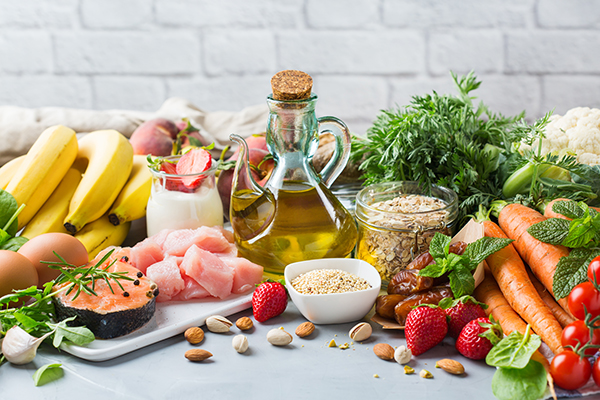
- Avoid processed foods and sugar spikes by eating fiber-rich, low-fat foods like oats, whole grains, vegetables, and fruits for sustained energy.
- Even mild dehydration reduces focus and energy; drink plenty of water daily to maintain cognitive performance.
- Incorporate iron-rich foods (lean beef, leafy greens), protein (eggs, Greek yogurt), and complex carbs (bananas, chickpeas) to stabilize blood sugar and oxygen flow.
- Excess caffeine and sugary snacks lead to crashes; opt for steady energy sources like nuts, dark chocolate, and green tea instead.
- Combine a balanced diet with regular exercise, adequate sleep (7–9 hours), and hydration for long-term energy and well-being.
- Skipping meals or poor nutrition – Your body needs consistent fuel to function optimally. Missing meals deprives your cells of essential nutrients.
- Sugar crashes – High-sugar snacks and drinks cause rapid blood sugar spikes followed by energy crashes.
- Dehydration – Even mild dehydration reduces concentration and energy levels.
- Iron deficiency – Low iron impairs oxygen transport, leading to fatigue.
- Lack of sleep – Poor rest disrupts hormones, metabolism and cognitive function.
- Excess caffeine – While coffee provides a temporary boost, overconsumption leads to crashes and poor sleep.
- Sedentary lifestyle – Sitting too long slows circulation and energy metabolism.
Oats
A fiber-rich complex carb, oats provide slow-releasing energy to prevent blood sugar spikes. They're also packed with magnesium, essential for converting food into fuel. Start your day with oatmeal topped with nuts and berries for lasting energy.Bananas
Packed with natural sugars, potassium and fiber, bananas offer a quick yet steady energy boost. Eat one before workouts or as a midday snack.Eggs
High in protein, B vitamins and iron, eggs support energy production and muscle function. Pair with whole-grain toast for a balanced breakfast.Lean beef
Rich in iron, B12 and L-carnitine, lean beef combats fatigue and supports oxygen transport. Opt for grass-fed cuts like sirloin or tenderloin.Chickpeas
Loaded with protein, fiber and zinc, chickpeas stabilize blood sugar and reduce fatigue. Add to salads, soups, or hummus for a nutrient-dense snack.Dark chocolate (70%+ cocoa)
Contains caffeine and antioxidants for a mild energy lift without sugar crashes. Enjoy a small square for an afternoon pick-me-up.Leafy greens (spinach, kale)
High in iron, magnesium and folate, greens support oxygen flow and cellular energy. Blend into smoothies or sauté with garlic.Nuts and seeds
Almonds, walnuts and chia seeds provide healthy fats, protein and magnesium for endurance. Snack on trail mix or add seeds to yogurt.Greek yogurt
Packed with probiotics and protein, Greek yogurt supports digestion and sustained energy. Top with honey and berries for a balanced snack.Green tea
Contains L-theanine and caffeine for alertness without jitters. Swap coffee for matcha green tea for steady energy. Here's a sample meal plan for sustained energy, courtesy of superfoods and whole foods.- Breakfast: Oats with banana, chia seeds and almond butter
- Mid-morning snack: Greek yogurt with berries
- Lunch: Quinoa bowl with chickpeas, spinach and lean beef
- Afternoon snack: Handful of almonds and dark chocolate
- Dinner: Grilled salmon with sweet potatoes and broccoli
- Evening: Chamomile tea (to support restful sleep)

10 Hydrating drinks to try if you’re tired of plain water
By Laura Harris // Share

11 Simple practices that can transform your daily life
By Evangelyn Rodriguez // Share

From chamomile to coffee: The science-backed drinks that could transform your health
By Cassie B. // Share

The calcium conundrum: Why drinking more milk alone won’t save your bones
By Cassie B. // Share

“Adult tummy time” goes viral as experts validate simple fix for tech neck epidemic
By Belle Carter // Share


Iraq Detains Ukrainian Nationals Suspected in Plot Against Gulf Oil Facilities
By garrisonvance // Share

U.S. Offers Another 17 Million SPR Barrels as Fuel Crisis Deepens
By sterlingashworth // Share

U.S. Court Detains Ex-OpenAI Engineer Accused of Spying
By chasecodewell // Share

Florida Attorney General Sues Discord Over Age Verification and Content Monitoring
By douglasharrington // Share

IMF Chief Calls for AI Guardrails as Officials Weigh Economic Risks and Opportunities
By edisonreed // Share
