
- A proactive approach to eye health in your 30s is critical for preventing future vision loss from conditions like cataracts and macular degeneration.
- Beyond regular eye exams, daily habits—managing screen time, wearing UV protection and staying hydrated—form a foundational defense for your eyes.
- Scientific evidence confirms that specific nutrients, including lutein, zeaxanthin, omega-3s and vitamins C and E, directly combat age-related eye diseases.
- Incorporating vision-boosting foods like leafy greens, fatty fish eggs, and colorful fruits into your diet is a powerful, natural preventive strategy.
- Comprehensive eye care requires combining consistent nutritional choices with professional screenings to protect your sight for decades to come.
The unseen toll of modern life
Long before a diagnosis, eyes are under daily siege. Digital eye strain, characterized by dryness, blurriness and headaches, is the most immediate symptom of contemporary life. The 20-20-20 rule—looking 20 feet away for 20 seconds every 20 minutes—is a simple but scientifically supported countermeasure that reduces fatigue. Equally insidious is ultraviolet radiation, a proven contributor to cataract formation and macular degeneration. Wearing sunglasses with 100% UV protection is as non-negotiable as sunscreen for skin, a necessary shield against an invisible threat. These daily practices form the first layer of a protective regimen, addressing the environmental assaults that accelerate ocular aging.Nutritional armor: The science on the plate
While external protection is crucial, internal nourishment provides the building blocks for ocular defense. Historical studies, notably the Age-Related Eye Disease Studies (AREDS and AREDS2) sponsored by the National Eye Institute, transformed the understanding of nutrition's role. They conclusively demonstrated that specific antioxidants and minerals could significantly slow the progression of age-related macular degeneration (AMD). This research moved dietary advice from folklore about carrots to a precise, evidence-based protocol. The key nutrients function as a biological defense team: Lutein and zeaxanthin, concentrated in the macula, filter harmful high-energy blue light; omega-3 fatty acids support retinal cell structure and reduce inflammation; vitamins C and E neutralize damaging free radicals; and zinc facilitates the transport of vitamin A for night vision.Building a vision-preserving diet
Translating this science to the supermarket involves prioritizing specific food groups. Leafy greens like kale and spinach are premier sources of lutein and zeaxanthin. Fatty fish such as salmon and sardines provide essential omega-3s. For vitamin C, citrus fruits and bell peppers are excellent, while nuts, seeds and sweet potatoes offer vitamin E and beta-carotene. Eggs are a singularly efficient package, containing lutein, zeaxanthin and zinc. Hydration, often overlooked, is vital for maintaining the tear film that protects the ocular surface. This dietary pattern aligns closely with the Mediterranean diet, which epidemiological studies have linked to a lower incidence of AMD and cataracts, suggesting the benefits are synergistic and whole-body.Beyond the plate: The holistic habit stack
A nutrient-rich diet, however, cannot offset other high-risk behaviors. Smoking remains one of the most significant modifiable risk factors for both AMD and cataracts, with toxins damaging the delicate blood vessels of the retina. Furthermore, comprehensive eye exams are the irreplaceable cornerstone of prevention. The American Academy of Ophthalmology recommends a baseline screening at age 40, but for those in their 30s with family histories of glaucoma or retinal disease, earlier and more frequent monitoring is prudent. These exams can detect asymptomatic conditions like glaucoma, where early intervention is the only way to preserve vision. Combining consistent nutrition with smoke-free living, UV protection and professional oversight creates a robust, multi-layered defense system.An investment in visual capital
The journey to preserving sight is a marathon, not a sprint, and the third decade marks a critical starting line. The convergence of clinical research and practical guidance offers a clear roadmap: protect eyes from daily strain and UV damage, fuel them with scientifically-backed nutrients, and partner with an eye care professional for vigilant monitoring. This proactive approach shifts the narrative from treating disease to sustaining health. In an era where vision is constantly engaged, the choices made today—from selecting sunglasses to steaming spinach—compound into a future of clarity. The ultimate return on this investment is not just the absence of disease, but the enduring ability to witness life’s vivid details. Sources for this article include: TheWellnessCorner.com aao.org ChangeEyeGroup.com
Rutabaga: Nutritional Profile, Reported Health Benefits and Culinary Applications
By Kevin Hughes // Share
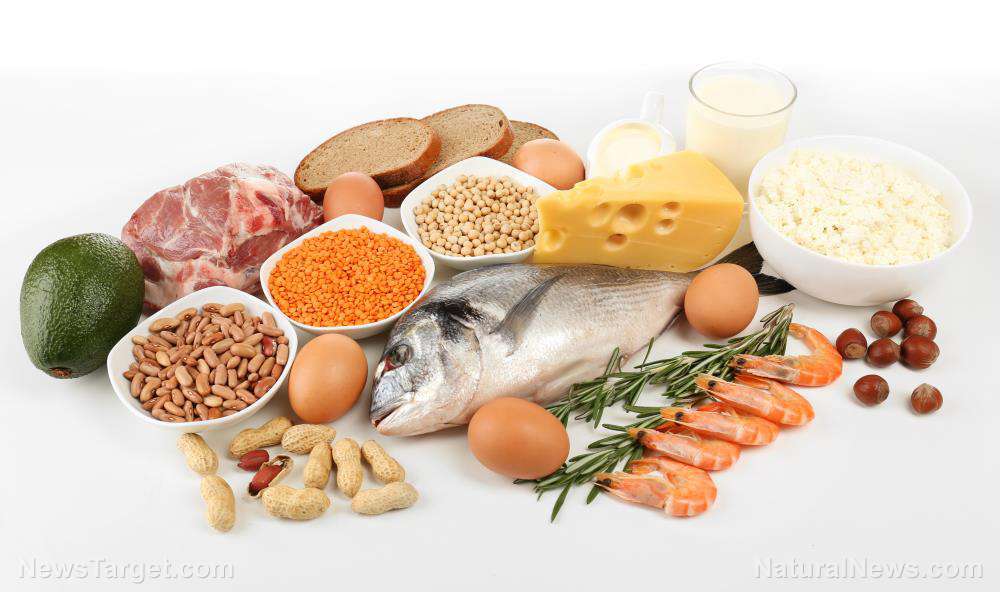
The protein puzzle: Why getting the right amount from the right sources matters
By Evangelyn Rodriguez // Share


When lotion isn’t enough: Try these foods to hydrate skin from within
By Willow Tohi // Share


Your child’s cavities could be setting the stage for a heart attack decades later
By Cassie B. // Share


Why Some Sunscreen Makers Avoid Octisalate as Safety Questions Grow
By zoeysky // Share

Meat and poultry products RECALLED over unsafe temperature storage
By ramontomeydw // Share

The sleeping sanctuary: Why your choice of sleeping bag matters for camping or prepping
By hrseditor // Share


Iraq Detains Ukrainian Nationals Suspected in Plot Against Gulf Oil Facilities
By garrisonvance // Share