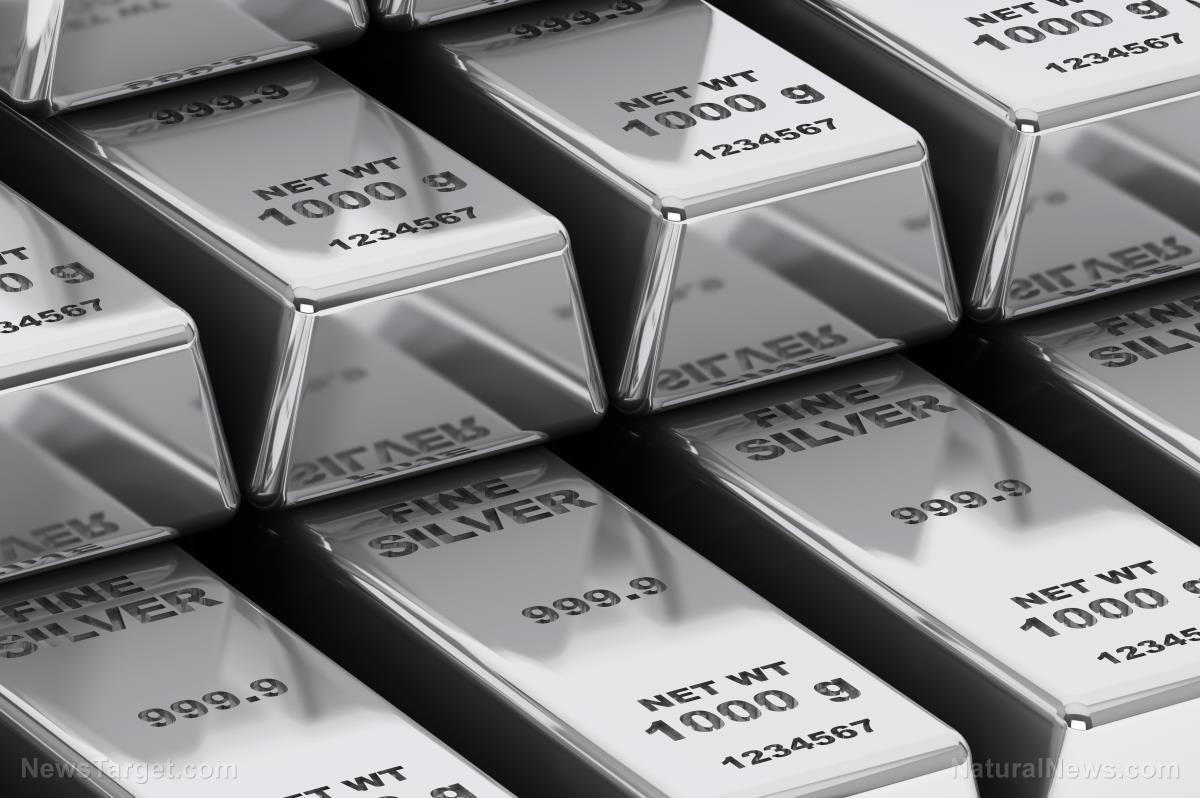
- Silver prices have tripled to a historic high above $100 per ounce.
- Geopolitical volatility and economic fear are driving a flight to tangible assets.
- The market is in a structural deficit with record-low physical inventories.
- A speculative frenzy and fear of missing out are amplifying the price surge.
- The rally signals a profound loss of confidence in traditional financial systems.
A frenzy fueled by fear
This flight to safety has evolved into a speculative frenzy. David Morrison at Trade Nation observed that the surge has fueled intense "fear of missing out" or FOMO among individual investors. "There's an awful lot of FOMO out there," Morrison said. The numbers are staggering. Silver gained 147% in 2025, its largest yearly growth in records going back to 1983, and is up another 40% already in 2026. StoneX analyst Rhona O'Connell warned, "Silver is in the midst of a self-propelled frenzy." She added a caution, however: "As and when cracks start to appear they could easily become chasms. Buckle up." Beyond pure investment demand, structural factors in the physical market are tightening the vise. For five consecutive years, the silver market has been in a structural deficit. Worries last year that the Trump administration might impose tariffs caused massive flows of silver into U.S. stockpiles, draining liquidity from traditional trading hubs like London. While those tariffs did not materialize, the dislocation had lasting effects. The amount of metal readily available in London commercial vaults dwindled to record lows.Industrial demand and physical squeeze
Industrial demand provides a fundamental floor. Silver is a key component in solar panels, electric vehicles, and electronics, and this sector's appetite has remained strong. However, the recycling pipeline, which typically provides 20% of annual supply, is constrained. A shortage of high-grade refining capacity has limited how quickly scrap silver can be returned to the market, exacerbating the physical squeeze. The result is a market at a extreme. The gold-to-silver ratio, a closely watched metric, has collapsed. It now takes just 50 ounces of silver to buy one ounce of gold, down from 105 ounces less than a year ago, indicating silver's dramatic outperformance. Yet many analysts believe the rally is overextended. BofA strategist Michael Widmer estimates a fundamentally justified price for silver is around $60, noting industrial demand may have peaked. BNP Paribas strategist David Wilson warned, "Profit taking following the frenzied nature of the investor-driven rally since late November is likely sooner rather than later." Despite these warnings, the momentum appears relentless, driven by a profound loss of confidence in traditional financial anchors. The weakening U.S. dollar, concerns about government borrowing, and pervasive inflation fears are channeling capital into tangible assets. The Office for National Statistics in the U.K. even noted that booming precious metal sales helped lift retail figures in December, with senior statistician Hannah Finselbach stating, "Online jewellers had a strong month and told us there was higher demand for gold and silver." The breach of the $100 level is more than a numeric milestone; it is a psychological rupture. It signals that a growing cohort of the global population is voting with its capital against paper currency regimes and geopolitical instability. While a sharp correction is a real possibility, the forces that drove silver to this dizzying height show no signs of abating. This record price is less a celebration and more a question etched in metal: what do you trust to hold its value when the world feels so unstable? The market's answer, for now, is clear. Sources for this article include: DailyMail.co.uk WSJ.com Reuters.com Forbes.com
Venezuela defies U.S., vows continued alliance with Russia and China
By Cassie B. // Share

Gold and silver markets in TURMOIL as Trump’s Fed nominee triggers historic sell-off
By Kevin Hughes // Share

The Omniverse Deception: Unmasking the globalist playbook
By Belle Carter // Share

Clintons agree to TESTIFY before Congress over Epstein links after threat of contempt charges
By Ramon Tomey // Share

House passes stopgap funding bill to avert shutdown
By Belle Carter // Share

Iraq Detains Ukrainian Nationals Suspected in Plot Against Gulf Oil Facilities
By garrisonvance // Share

U.S. Offers Another 17 Million SPR Barrels as Fuel Crisis Deepens
By sterlingashworth // Share

U.S. Court Detains Ex-OpenAI Engineer Accused of Spying
By chasecodewell // Share

Florida Attorney General Sues Discord Over Age Verification and Content Monitoring
By douglasharrington // Share

IMF Chief Calls for AI Guardrails as Officials Weigh Economic Risks and Opportunities
By edisonreed // Share
