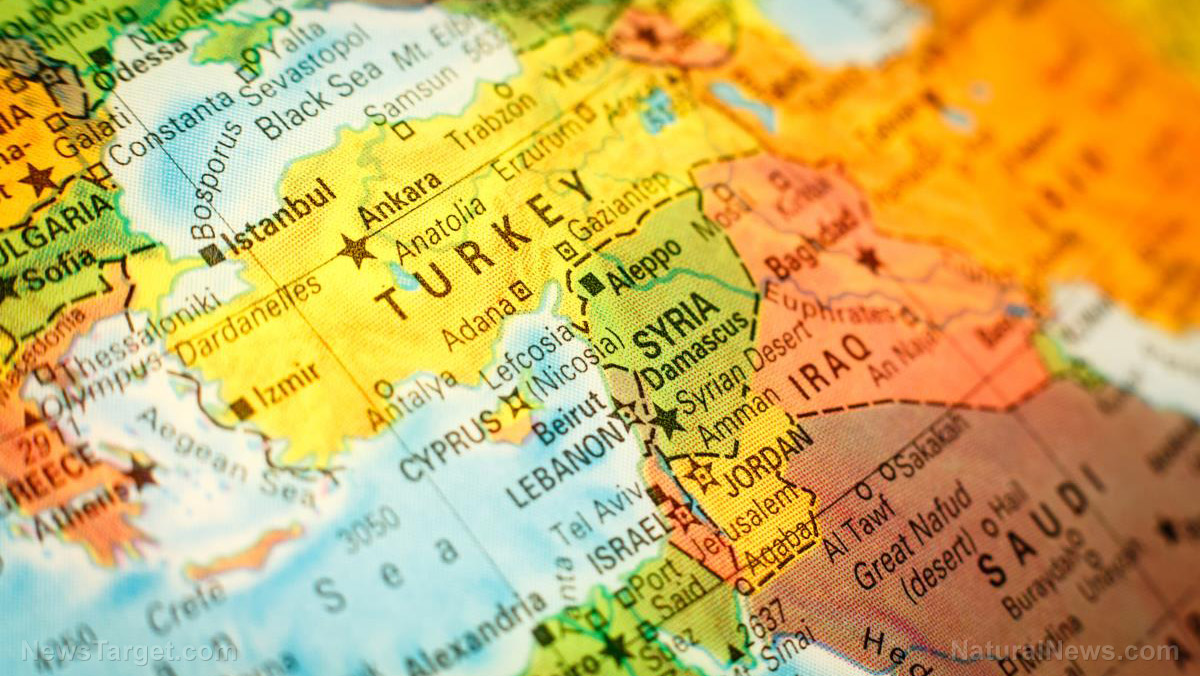
- The U.S. is actively considering a complete withdrawal of its 800-1,000 troops from Syria as its local partner force faces disintegration.
- This potential exit is triggered by a Syrian government offensive against the U.S.-backed Syrian Democratic Forces (SDF), a group Washington now finds politically impossible to support.
- A collapsing SDF threatens the security of prisons holding thousands of ISIS detainees, prompting the U.S. to begin urgently transferring prisoners to Iraq.
- The situation revives long-standing accusations that America abandons its local partners, while raising alarms about a potential security vacuum.
The crumbling partnership
For years, the presence of roughly 900 American soldiers in eastern Syria was justified by a single, clear mission: supporting the Kurdish-led SDF in the final defeat of the Islamic State. This alliance was always a geopolitical tightrope walk. While Washington viewed the SDF as the most effective ground force against ISIS, NATO ally Turkey considered the group a terrorist-linked threat due to its connections to Kurdish separatists. Now, that precarious balance has been upended not by Turkey, but by Damascus. Syria’s President Ahmed al-Sharaa, whose rise was backed by Ankara, has launched a campaign to disband the SDF and absorb its fighters into the national army, a core objective of ending the country’s long civil war. American officials, speaking anonymously to the Wall Street Journal, presented this development as a breaking point. They stated that partnering with the reconstituted Syrian army is “not viable,” citing its inclusion of “jihadist sympathisers” and individuals accused of atrocities against Kurdish and Druze communities. With the SDF’s raison d'être as a U.S. proxy evaporating, the official rationale for a continued American presence is dissolving. Tom Barrack, a former Trump envoy, succinctly captured this sentiment, noting, “The original purpose of the SDF… has largely expired.” The human cost of this fraying partnership became tragically clear in December, when a Syrian army member, allegedly an ISIS affiliate, killed three U.S. personnel, highlighting the lethal ambiguity of the current battlefield.A prison system on the brink
Perhaps the most immediate and frightening consequence of the SDF’s potential collapse is the fate of the prisons it guards. These facilities hold a grim inheritance from the war against ISIS: approximately 7,000 detainees, including fighters, their families, and children, from over 50 countries. Many of these individuals have been in legal limbo for years, never formally charged, as their home nations refuse repatriation. The SDF, a militia, was never equipped to be a long-term international jailer. As it loses territory and resources, its ability to secure these camps weakens, creating a scenario that haunts counter terrorism officials worldwide—a mass breakout that could reseed the region with extremist ideology and capability. This ticking clock has triggered an emergency response. U.S. Central Command has begun transferring detainees, starting with 150, out of Syria and into a camp in Iraq. The stated goal is to move all prisoners out of the unstable northeast Syrian zone. Secretary of State Marco Rubio praised Iraq’s “bold initiative,” while emphasizing the transfer is a temporary measure and urging other nations to finally “take responsibility and repatriate their citizens.” The move is a stark admission that the local security architecture Washington helped build is failing. Brett McGurk, a former top U.S. envoy on ISIS, voiced the deep concern many feel, warning that any security breakdown at the detention sites “risks international consequences.”The legacy of abandonment
This moment feels hauntingly familiar to observers of American foreign policy. The specter of the 2021 withdrawal from Afghanistan, and the chaotic images that accompanied it, hangs over the Syria debate. Once again, a local force that fought alongside American troops for years faces an existential threat, and Washington is calculating the costs of continued support versus the perils of departure. The SDF itself is a creature of American intervention, built up as the tip of the spear against ISIS. Its likely dissolution under pressure from a Damascus-Ankara axis will be recorded by many, particularly Kurds across the region, as another chapter in a story of American promises made and then withdrawn when strategic winds shift. The path forward is fraught with risk. A full withdrawal could satisfy a long-standing political desire to end “forever wars” but might also create a vacuum where ISIS could regroup, destabilize Iraq, and allow other powers like Iran to expand their influence. Staying, however, would mean potentially confronting the Syrian army directly to protect a partner force America now seems ready to discard. As prisoners are shuffled across borders and troops prepare their departure routes, the United States is navigating the messy aftermath of a war it helped wage, where the final act involves not victory parades, but difficult retreats and the fragile hope that the monsters locked away stay behind bars. Let's hope with the Trump Administration, we can get a smart, clean exit from Syria, unlike the chaos of the Afghanistan withdrawal that took place under Biden. Sources include: MiddleEastEye.net WilsonCenter.org Enoch, Brighteon.ai
Venezuela defies U.S., vows continued alliance with Russia and China
By Cassie B. // Share
U.S. lawmakers accuse Nvidia of aiding China’s military
By Jacob Thomas // Share
NATO on edge as mystery drone incident sparks security concerns in Poland
By Kevin Hughes // Share

The Omniverse Deception: Unmasking the globalist playbook
By Belle Carter // Share

The Eighth Front: How Israel’s War Extends Beyond Gaza to the Battle for Reality
By Garrison Vance // Share

Germany says U.S. remains its closest partner despite tensions
By Laura Harris // Share
Iraq Detains Ukrainian Nationals Suspected in Plot Against Gulf Oil Facilities
By garrisonvance // Share
U.S. Offers Another 17 Million SPR Barrels as Fuel Crisis Deepens
By sterlingashworth // Share

U.S. Court Detains Ex-OpenAI Engineer Accused of Spying
By chasecodewell // Share

Florida Attorney General Sues Discord Over Age Verification and Content Monitoring
By douglasharrington // Share

IMF Chief Calls for AI Guardrails as Officials Weigh Economic Risks and Opportunities
By edisonreed // Share
