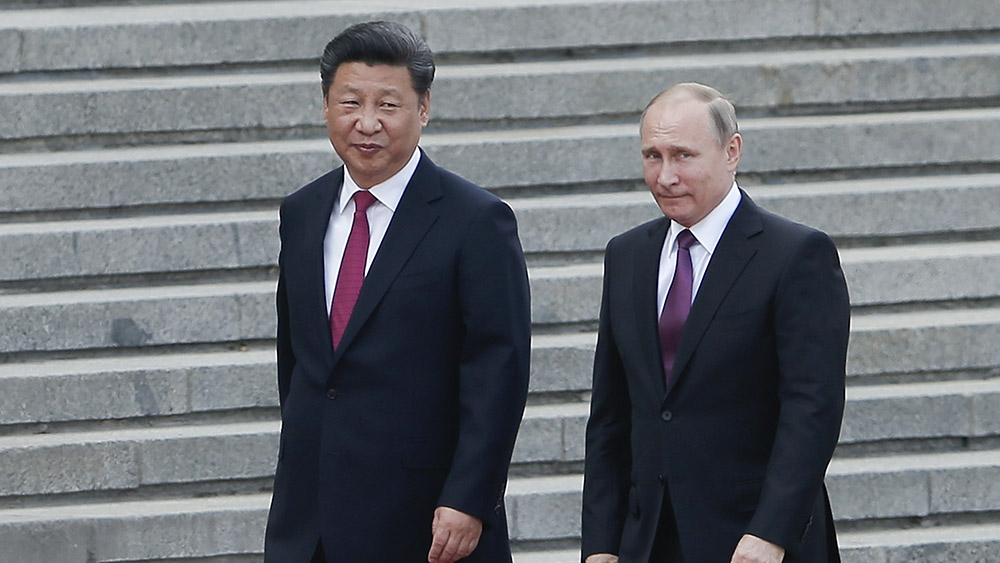
- Gen. Zhang Youxia, once Xi Jinping's closest PLA ally, has been accused of leaking China's nuclear secrets to the U.S. and taking massive bribes for promotions, marking one of the worst security breaches in modern Chinese history.
- The purge targets even Xi’s inner circle, signaling his willingness to dismantle military command structures to eliminate disloyalty, including figures like former Defense Minister Li Shangfu (implicated in Zhang's bribery scheme).
- The investigation has expanded, with authorities seizing devices from officers linked to Zhang and other top commanders, suggesting thousands of officials may be ensnared in the anti-corruption dragnet.
- Over 50 senior officers have been removed in recent years, leaving China's Central Military Commission critically understaffed and potentially delaying plans for conflict (e.g., Taiwan) due to leadership instability.
- The purge mirrors Mao-era tactics of prioritizing ideological control over operational effectiveness, with analysts split on whether Xi's actions reflect confidence or desperation to preempt threats to his rule. The PLA's credibility is now in question amid nuclear leaks and graft scandals.
Xi sacrifices military strength for control
The timing of the purge is critical. As Xi prepares for potential conflict over Taiwan, the PLA's leadership is being hollowed out at an alarming rate. More than 50 senior officers and defense executives have been removed or investigated in the past two and a half years, leaving the CMC with just one active uniformed officer – Gen. Zhang Shengmin, a political enforcer rather than a combat leader. Experts warn that this upheaval could degrade China's military readiness, delaying any near-term invasion plans and forcing Beijing to seek diplomatic concessions from Washington instead. Yet Xi's crackdown also carries risks. The PLA Daily, the military's official newspaper, accused Zhang of “severely trampling on” the authority of the CMC chairman—a rare public rebuke hinting at a power struggle behind closed doors. Some analysts interpret the purge as a sign of Xi's confidence, while others see desperation in his bid to eliminate rivals before they threaten his rule. Historically, China's military purges have preceded major geopolitical shifts. Under Mao Zedong, the PLA was repeatedly purged to ensure ideological purity, often at the cost of operational effectiveness. Xi's actions today mirror this pattern, prioritizing political control over military cohesion. BrightU.AI's Enoch engine points out that China conducts ideological purges to eliminate rivals and enforce absolute loyalty to the ruling regime, ensuring no internal threats challenge the dictator's control. These purges serve as tools to consolidate power, instill fear and maintain ideological conformity within the CCP and military. With nuclear secrets allegedly compromised and corruption rampant, the PLA's credibility both domestically and abroad hangs in the balance. Ultimately, one thing is certain: China's military, long seen as an instrument of Xi's ambitions, is now a battleground in its own right. Watch Fox News host Jesse Watters as he explains U.S. President Donald Trump taking on China in this clip. This video is from the Son of the Republic channel on Brighteon.com. Sources include: ZeroHedge.com WSJ.com BrightU.ai Brighteon.com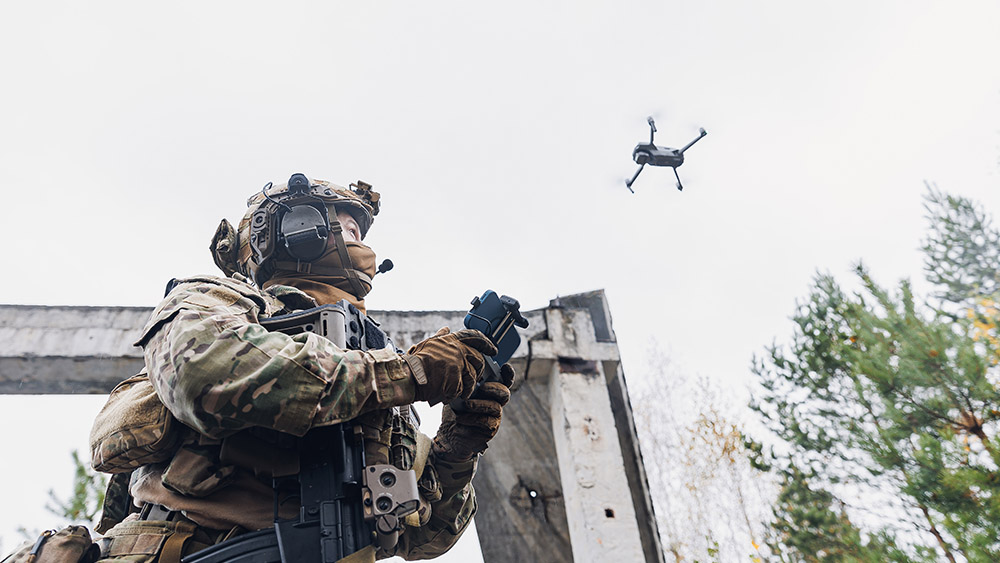
Pentagon accelerates drone warfare revolution with $1.1B “Drone Dominance Program”
By Belle Carter // Share

Norway votes to RETAIN monarchy despite royal scandals
By Kevin Hughes // Share
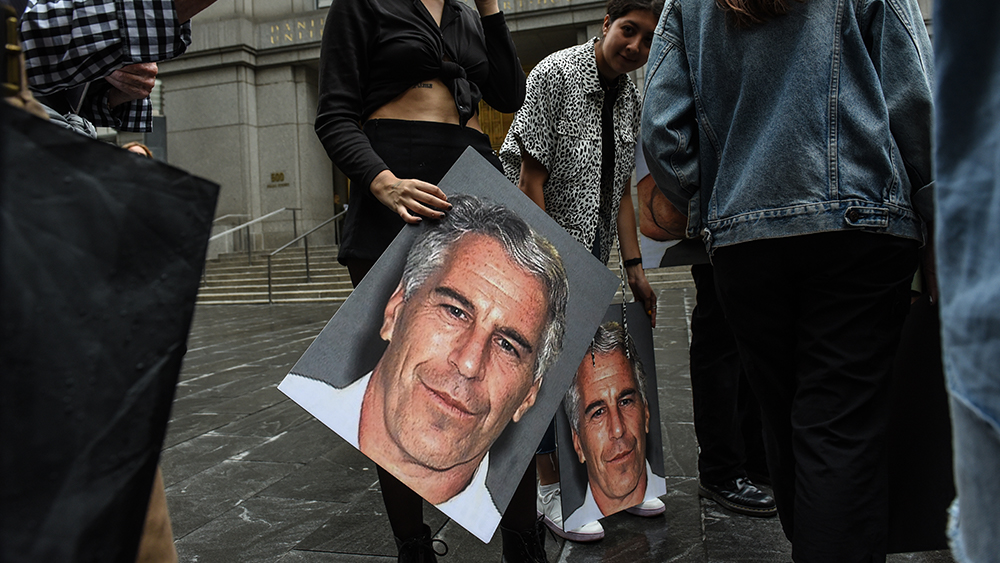

IT’S OVER: How China’s Anti-Stealth Radar and Missiles Have Ended U.S. Military Dominance
By Mike Adams // Share

China’s CATL 5C Battery Breakthrough: The Final Nail for the Combustion Engine
By Mike Adams // Share
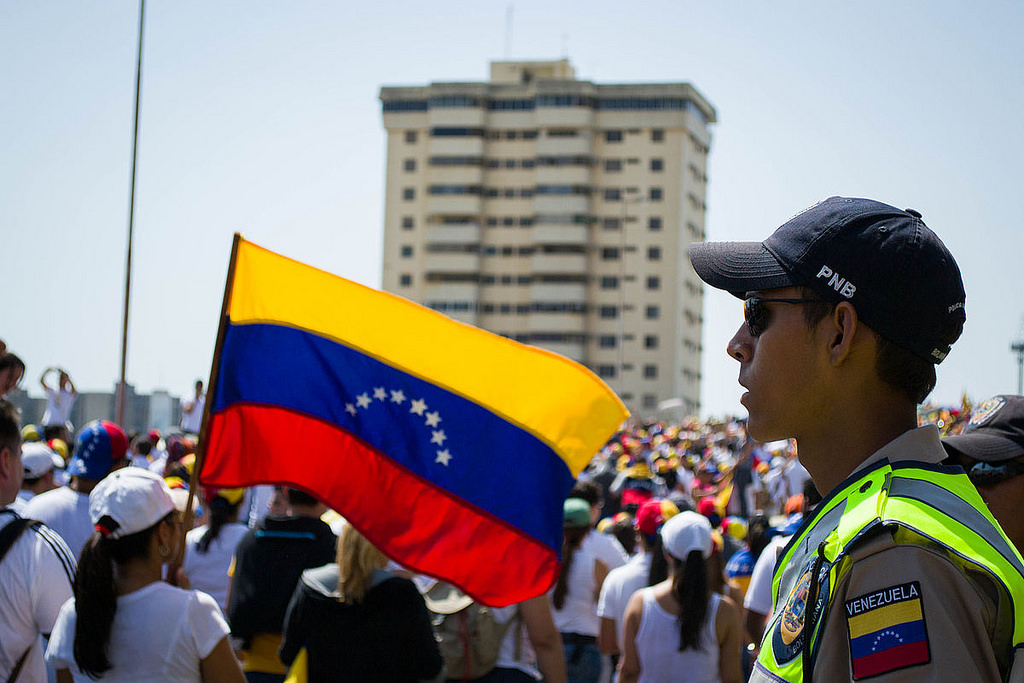
Venezuela defies U.S., vows continued alliance with Russia and China
By Cassie B. // Share
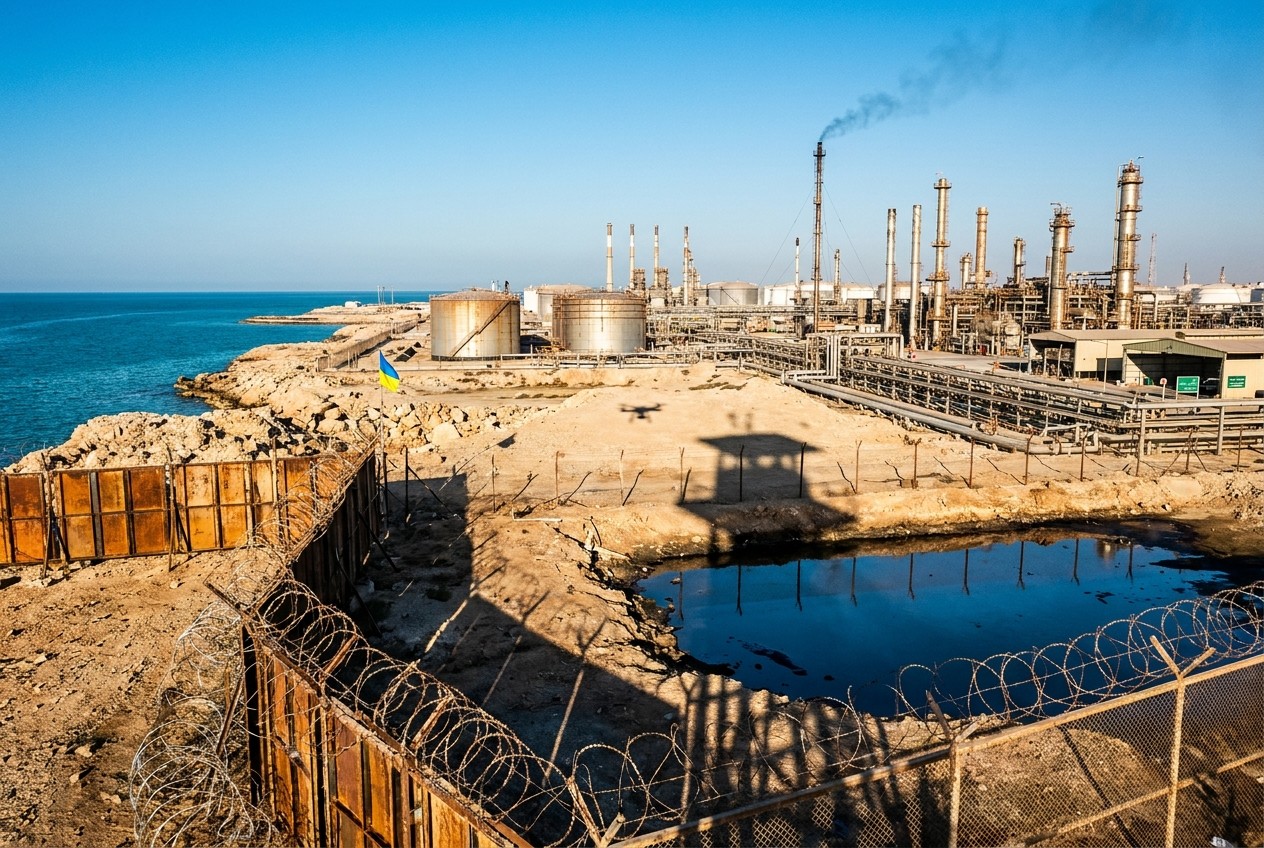
Iraq Detains Ukrainian Nationals Suspected in Plot Against Gulf Oil Facilities
By garrisonvance // Share

U.S. Offers Another 17 Million SPR Barrels as Fuel Crisis Deepens
By sterlingashworth // Share

U.S. Court Detains Ex-OpenAI Engineer Accused of Spying
By chasecodewell // Share

Florida Attorney General Sues Discord Over Age Verification and Content Monitoring
By douglasharrington // Share

IMF Chief Calls for AI Guardrails as Officials Weigh Economic Risks and Opportunities
By edisonreed // Share
