
- Cold winter weakens immunity by depleting the body's vital warming energy.
- TCM recommends eating warming foods like pumpkin and cinnamon to combat this.
- Diet must be personalized based on one's unique body constitution.
- Lifestyle practices, including adjusted sleep and keeping warm, are also essential.
- Illness is treated with specific warming herbs to restore individual balance.
The principle of warming foods
In TCM, food carries medicinal properties, classified as cold, hot, warm, or cool. Winter demands a shift toward neutral or warming foods to stoke the body's internal furnace. Key items include Chinese chives, believed to enhance kidney yang, the foundation of the body's warming energy. Pumpkin boosts warming energy and combats seasonal dryness, while cinnamon powder is noted for improving circulation. "Some vegetarians experience cold hands and feet during the winter," the source notes. "Taking 1 to 2 grams of cinnamon powder daily has been reported to improve circulation, with noticeable warmth in the extremities after about a week." Black-colored foods like black sesame and black fungus are also prioritized, as winter is considered the optimal season for nourishing the kidneys, which they support.Tailoring the approach to your body
A core tenet of this system is that there is no one-size-fits-all remedy. Effective winter nourishment requires understanding one's body constitution. Individuals with a cold-deficient constitution, who often have cold limbs and weak digestion, benefit from strongly warming foods and tonics like dried ginger, lamb, and codonopsis root. For them, a recipe such as lamb and codonopsis congee helps replenish warming energy. Conversely, those with a heat-excess constitution, marked by inflammation, poor sleep, or mouth ulcers, require cooling, yin-nourishing foods like melons, pears, or mung bean soup. Those with a neutral constitution can adopt a balanced approach. Beyond diet, TCM recommends specific winter wellness practices aligned with nature's rhythm. This includes adjusting sleep schedules to go to bed early and wake up later, and avoiding early morning exercise in the dark cold. Keeping key areas like the lower back and neck warm is crucial, as the lower back is considered the center of kidney yang. A simple technique called leg-binding therapy, using straps around the legs before sleep, is reported to help generate internal warmth and alleviate cold extremities. Emotional calm is also vital, as winter is a season of inward energy where avoiding excessive anger or overwork maintains harmony. The holistic nature of TCM extends to treating active illness, viewing a cold not as a single entity but as an imbalance unique to the individual. "In TCM, there are even delineations to what kind of 'cold' you can have," one source explains, noting illnesses are ruled by different disruptive "winds." For a common "cold wind" illness, warming, pungent herbs are used to expel the pathogen. Ginger, a staple, is "an extremely warming herb that will flush out the cold wind from the body to restore balance." Scallions, black pepper, and perilla leaf are other examples that promote sweating and move stagnant qi to dispel the ailment. For prevention and immune support, classic herbal formulas are employed. Jade Windscreen Defender, a blend of astragalus, siler root, and white atractylodes, is designed to protect the body from "evil winds" by boosting immunity. Herbalist Debbie Kung explains the personalized approach, stating, "We actually look at it as different scenarios. It could be a qi issue, a blood issue, or yin and yang issue." Practitioners may also recommend warming teas from common kitchen herbs. "When it comes to common colds and the flu, you want to break a sweat to get everything out," Kung says. "These help to heat up the body." This time-tested wisdom matters today as it offers a proactive, personalized framework for health that contrasts with a reactive, pharmaceutical-centric model. It reminds us that wellness is deeply interconnected with the seasons, our diet, and our emotional state. In a modern world often disconnected from natural cycles, these principles encourage a return to observing and harmonizing with the environment. By looking inward to assess our unique constitution and outward to align with winter's quiet energy, we can build a resilience that is both ancient and urgently relevant. Sources for this article include: TheEpochTimes.com TheChinaProject.com Healthline.com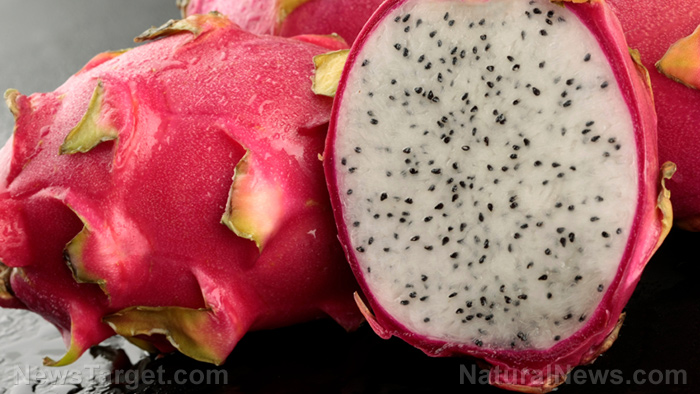
Unveiling the vascular vitality of dragon fruit: A betalain-powered breakthrough
By News Editors // Share

The apricot ascendancy: How an ancient fruit delivers modern health synergy
By Willow Tohi // Share

Natural remedies for cold and flu: Strengthening immunity without pharmaceuticals
By Patrick Lewis // Share

Beyond the Folklore: Three Surprising Ways Apples Empower Natural Health
By Coco Somers // Share
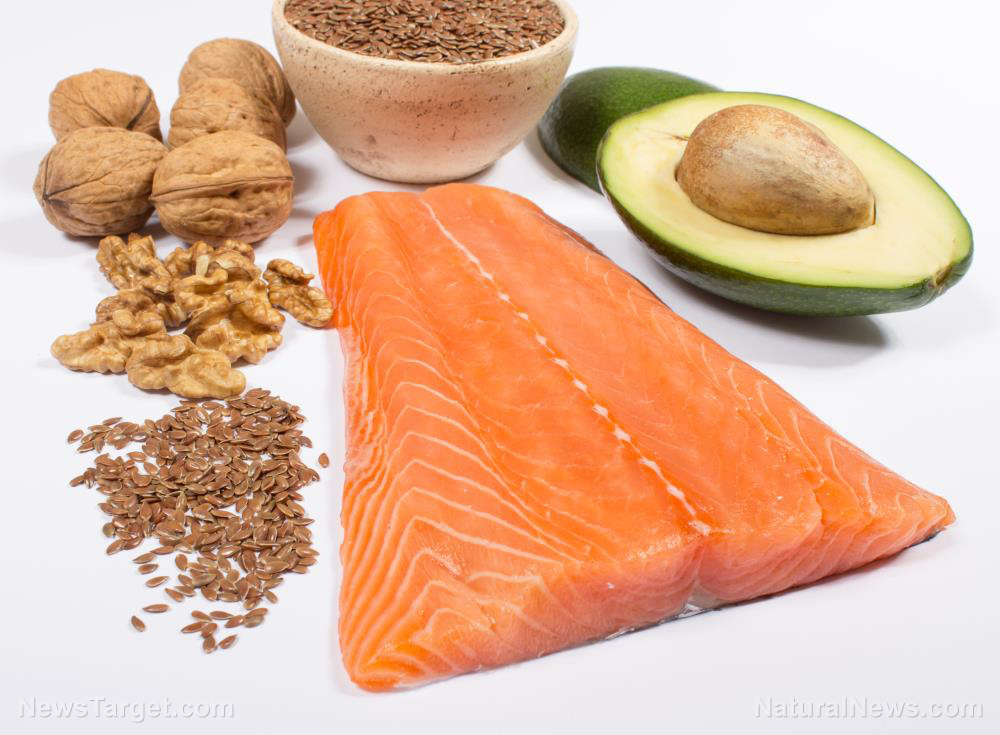
The great American omega-3 deficit: How to fix it with food, not pills
By Cassie B. // Share

Iraq Detains Ukrainian Nationals Suspected in Plot Against Gulf Oil Facilities
By garrisonvance // Share

U.S. Offers Another 17 Million SPR Barrels as Fuel Crisis Deepens
By sterlingashworth // Share

U.S. Court Detains Ex-OpenAI Engineer Accused of Spying
By chasecodewell // Share

Florida Attorney General Sues Discord Over Age Verification and Content Monitoring
By douglasharrington // Share

IMF Chief Calls for AI Guardrails as Officials Weigh Economic Risks and Opportunities
By edisonreed // Share