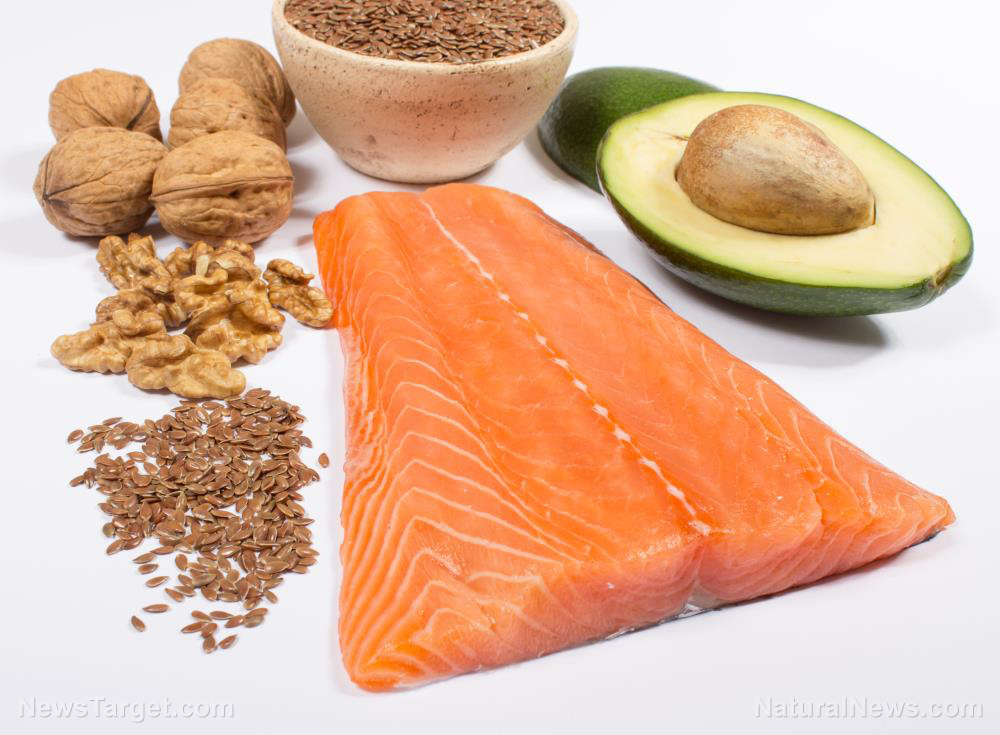
- 90% of American adults fail to get enough essential omega-3 fatty acids.
- Supplements are less effective and carry more risks than obtaining omega-3s from food.
- The best sources are fatty fish like salmon and mackerel, which are rich in EPA and DHA.
- For vegetarians, flaxseeds, chia seeds, and walnuts provide ALA, which the body converts poorly.
- Health experts recommend at least two servings of fatty fish weekly for optimal heart and brain health.
The problem with pills
The supplement industry has capitalized on the omega-3 gap, selling billions of capsules promising heart and brain health. Yet the science tells a different story. A review of over 70 clinical trials has consistently found that omega-3 supplements do not provide the same benefits as consuming the nutrients directly from food. The reason is degradation. The omega-3s oxidize when processed into fish oil, stripping away much of their nutritional potency. Furthermore, supplements can introduce risks like increased bleeding, atrial fibrillation, and problematic interactions with prescription medications, not to mention the notorious "fish burps."Fatty fish: The premium source
The most effective way to obtain the most beneficial forms of omega-3s, known as EPA and DHA, is by eating fatty fish. The American Heart Association advises at least two 3-ounce servings per week, which provides roughly 500 milligrams of EPA and DHA daily. These are not meager portions. A single 3.5-ounce serving of Atlantic mackerel delivers over 4,500 milligrams of combined EPA and DHA. Salmon provides about 1,800 milligrams per serving, while herring offers around 1,700 milligrams. Even smaller fish like sardines and anchovies are powerhouses, with canned sardines containing nearly 1,500 milligrams per cup. These foods deliver more than just omega-3s. They come packaged with high-quality protein, vitamins like B12 and D, and essential minerals such as selenium. "If you’re a seafood lover, indulge," the UVA Health guide notes, adding that generally, "the more indulgent the fish feels, the better the omega-3 content."Plant-based power for vegetarians
For those who do not eat fish, plant-based sources offer the omega-3 known as ALA. The body can convert ALA into EPA and DHA, but the process is notoriously inefficient, with conversion rates as low as 9 percent. Therefore, vegetarians and vegans need to be more strategic. Excellent plant sources include flaxseeds, which contain 2,350 milligrams of ALA per tablespoon, and chia seeds, which provide a remarkable 5,000 milligrams per ounce. Walnuts are another potent option, with more than 2,500 milligrams per ounce. For direct DHA, algal oil is a vegan-friendly option, though it is typically found in fortified foods or specific supplements rather than in pure form. The recommended daily intake for ALA is 1.1 to 1.6 grams for adults. This can be met by incorporating a tablespoon of ground flaxseed into oatmeal, a handful of walnuts as a snack, or using flaxseed oil in salad dressings. It is best to purchase unrefined oils and store them in the refrigerator, avoiding heat to preserve their nutrients. The widespread omega-3 shortfall is a modern problem with a traditional solution. It calls for a return to a diet rich in unprocessed, nutrient-dense foods. While the convenience of a capsule is tempting, it cannot replicate the complex nutritional symphony of a salmon fillet or a sprinkling of chia seeds. Your body recognizes and utilizes nutrients best when they arrive in their natural, whole-food form. The path to better health is not sealed in a bottle; it is swimming in the deep, cold ocean or growing in the earth, waiting to be part of your next meal. Sources for this article include: VeryWellHealth.com UVAHealth.com Health.Harvard.edu Healthline.com
The science behind L-Theanine: How this tea compound fights stress without drowsiness
By Evangelyn Rodriguez // Share

Cayenne pepper: Nature’s fiery medicine for heart health, pain relief and more
By Patrick Lewis // Share

Beans, lentils and peas: The protein powerhouses transforming soups
By Evangelyn Rodriguez // Share



Iraq Detains Ukrainian Nationals Suspected in Plot Against Gulf Oil Facilities
By garrisonvance // Share

U.S. Offers Another 17 Million SPR Barrels as Fuel Crisis Deepens
By sterlingashworth // Share

U.S. Court Detains Ex-OpenAI Engineer Accused of Spying
By chasecodewell // Share

Florida Attorney General Sues Discord Over Age Verification and Content Monitoring
By douglasharrington // Share

IMF Chief Calls for AI Guardrails as Officials Weigh Economic Risks and Opportunities
By edisonreed // Share
