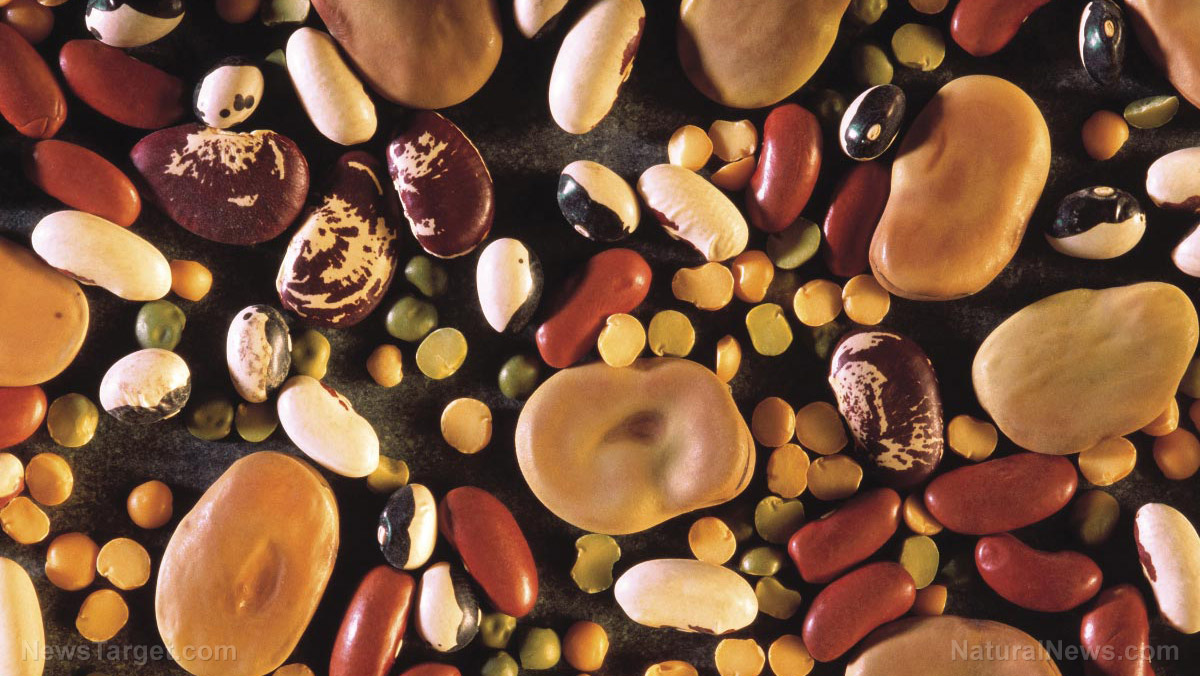
- High-protein, fiber-rich soups made with split peas, black beans and lentils are gaining traction for their affordability, satiety-promoting qualities and health benefits.
- Beans, lentils and peas provide substantial plant-based protein and fiber per cup, aiding muscle maintenance and digestion and prolonging fullness.
- Canned or pre-packaged versions often contain excessive sodium (up to 27% daily limit per serving), making homemade preparations a healthier choice.
- Split pea and ham (14.2 g protein), black bean (9.6 g protein), lentil (9.7 g protein) and beef barley (8.2 g protein) offer balanced nutrition but require mindful ingredient selection.
- Opt for low-sodium, broth-based, whole-grain or legume-flour pasta versions. Avoid heavy cream and prioritize lean proteins or vegetables to maximize benefits.
The protein power of legume-based soups
Protein plays a crucial role in muscle repair, immune function and satiety. Federal dietary guidelines recommend consuming 1.2 to 1.6 grams (g) of protein per kilogram (kg) of body weight daily, meaning an individual weighing 70 kg should aim for roughly 84 g of protein per day. Legume-based soups provide an efficient way to meet these needs, particularly for those seeking plant-based alternatives to meat.1. Split pea and ham soup
Few soups deliver as much protein as split pea and ham, combining animal and plant-based sources. A one-cup serving contains 14.2 g of protein and 8.4 grams of fiber--nutrients that aid digestion and prolong fullness. However, canned versions can be high in sodium, sometimes reaching 27% of the recommended daily limit per serving. Opting for homemade versions allows better control over salt content while preserving nutritional benefits.2. Black bean soup
Black bean soup offers 9.6 g of protein per cup and an impressive 10.2 g of fiber, which allow it to support digestive health and appetite control. Rich in iron, potassium and zinc, black bean soup also provides essential nutrients—though sodium levels vary widely depending on preparation. According to BrightU.AI's Enoch engine, it's best to soak black beans in water overnight before cooking them in a pot with two inches of water for about an hour until tender. Alternatively, you can boil 1 pound (0.45 g) of dried black beans in water for 2 minutes, let them stand covered for 1 hour, then drain and discard the cooking liquid before use.3. Pasta e Fagioli
This Italian classic blends beans and pasta, yielding around 8 g of protein per cup. Using protein-rich pasta varieties like chickpea or lentil flour can further enhance the nutritional value of this soup. However, store-bought versions may contain added sugars and excessive salt; for a healthy and nutritious soup, make your own at home.4. Lentil soup
A staple in vegetarian diets, lentil soup supplies 9.7 g of protein per cup and 9.4 g of fiber, along with iron and magnesium. While inherently nutritious, pre-packaged versions often contain high sodium levels, making homemade preparation preferable.5. Beef barley soup
Combining lean beef with barley, this soup offers 8.2 g of protein per cup and a hearty texture. Adding vegetables like peas or corn can boost the soup's fiber content, but sodium remains a concern in commercial varieties.Choosing the healthiest soup options
To maximize benefits while minimizing risks, consider these guidelines:- Limit sodium: Opt for low-sodium or homemade versions to avoid excessive salt intake.
- Boost fiber: Prioritize soups with beans, lentils or vegetables for better digestion and satiety.
- Select lean proteins: Skinless poultry, fish or plant-based proteins like lentils reduce unhealthy fat intake.
- Avoid heavy cream: Choose broth-based soups or low-fat dairy alternatives to cut unnecessary calories.
- Opt for whole grains: Substitute refined pasta or rice with whole-wheat or legume-based alternatives for added fiber.
Brewing balance: How ancient herbal teas offer modern hormonal support
By Willow Tohi // Share

TEN soothing digestive aids that get to the root of gastrointestinal issues
By Lance D Johnson // Share

Natural texture meets modern design in this new wave of hemp home essentials
By HRS Editors // Share
Beyond the Alarming Statistics: The Systemic Forces Fueling Childhood Obesity
By Coco Somers // Share

10 Hydrating drinks to try if you’re tired of plain water
By Laura Harris // Share

Iraq Detains Ukrainian Nationals Suspected in Plot Against Gulf Oil Facilities
By garrisonvance // Share

U.S. Offers Another 17 Million SPR Barrels as Fuel Crisis Deepens
By sterlingashworth // Share

U.S. Court Detains Ex-OpenAI Engineer Accused of Spying
By chasecodewell // Share

Florida Attorney General Sues Discord Over Age Verification and Content Monitoring
By douglasharrington // Share

IMF Chief Calls for AI Guardrails as Officials Weigh Economic Risks and Opportunities
By edisonreed // Share
