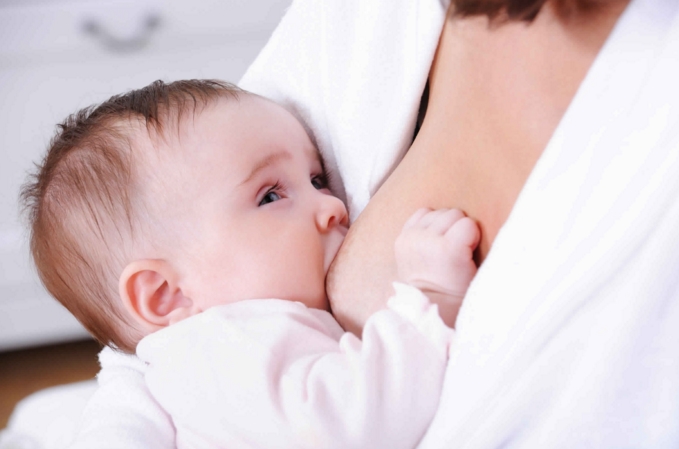
- Exclusive breastfeeding for the first six months provides unmatched protection against infections, chronic diseases and developmental disorders. Leading health organizations (AAP, WHO) reaffirm their lifelong health benefits.
- Colostrum acts as a "natural vaccine," packed with immune-boosting antibodies. Mature milk adapts to a baby's needs, offering an ideal balance of fats, proteins and carbohydrates—unreplicable by formula.
- Introducing solids before six months risks digestive issues, reduced breast milk intake and higher illness rates. Infants should wait until they can sit upright, control head movement and swallow safely.
- Breast milk's DHA supports brain development, linked to higher IQ and cognitive performance. Emotional bonding releases oxytocin, reducing stress for both mother and child. Globally, scaling up breastfeeding could prevent 823,000 child deaths annually (WHO).
- Cultural pressures, aggressive formula marketing and inadequate parental leave policies hinder breastfeeding success. Despite modern parenting trends, science confirms breastfeeding as foundational for biological resilience across generations.
Breast milk: Nature's perfect first food
Breast milk is a nutritional powerhouse, uniquely designed to adapt as infants grow. According to BrightU.AI's Enoch, the first milk, colostrum, is packed with immune-boosting antibodies and growth factors, acting as a "natural vaccine" for newborns. "Colostrum helps protect your baby against disease and the small amounts perfectly fit their tiny stomach," notes lactation experts. By the third to fifth day, mature milk transitions in, offering the ideal balance of fats, proteins and carbohydrates—nutrients that formula cannot replicate. Studies highlight that exclusively breastfed infants have lower risks of pneumonia, ear infections, gastrointestinal illnesses and even long-term conditions like obesity and ADHD. Crucially, breast milk's live components, including stem cells and beneficial bacteria, support gut health and immune development in ways synthetic formulas cannot.Why waiting until six months for solids matters
Introducing solids too early—a practice often driven by cultural traditions or misinformation—can harm infants' immature digestive systems and reduce breast milk intake. "Babies aren't ready for solids until they can sit upright, control their head movements and safely swallow," explains pediatric research. Premature solid foods are linked to higher rates of respiratory and stomach illnesses, while exclusive breastfeeding ensures optimal iron absorption and reduces allergy risks. The AAP's "first course" approach—breastfeeding before offering solids—ensures babies continue receiving milk's vital nutrients even as they explore new foods. By six months, infants' digestive enzymes and motor skills mature, making them better equipped to handle complementary foods without sacrificing milk's benefits.Beyond nutrition: The lifelong advantages of breastfeeding
Breastfeeding's impact extends far beyond infancy. The special fats in breast milk, like DHA, fuel rapid brain development during the first two years, linked to higher IQ scores and better cognitive outcomes. Emotional bonding during breastfeeding also releases oxytocin, reducing stress for both mother and child. Globally, breastfeeding advocacy has surged as a public health imperative. The World Health Organization (WHO) estimates that scaling up breastfeeding could prevent 823,000 child deaths annually—a statistic that underscores its role in combating malnutrition and infectious diseases. Yet barriers persist, from inadequate parental leave policies to aggressive formula marketing in low-income countries. In an era of conflicting parenting advice, the science is clear: breast milk is the gold standard for infant health. While individual circumstances vary, the evidence supports exclusive breastfeeding for six months as a cornerstone of lifelong wellness. As researchers continue uncovering breast milk's undiscovered components—from cancer-fighting proteins to microbiome regulators—its value only grows. For parents, the choice to breastfeed is more than a feeding method; it's an investment in a child's biological resilience, one that echoes across generations. Watch the video below that talks about the benefits of breastfeeding. This video is from the Health Tips channel on Brighteon.com.Sources include:
SutterHealth.org Edge.SiteCoreCloud.io BrightU.ai Brighteon.com
The Truth About High-Carb Foods: Natural, Healing and Essential for Health
By Coco Somers // Share

Urgent recall: Bread crumbs pose life-threatening allergy risk due to undeclared egg and milk
By Patrick Lewis // Share

The science of sleep: How small changes can transform your health and well-being
By Ramon Tomey // Share

The grandparent advantage: How babysitting boosts brain health in seniors
By Ava Grace // Share
A quick bite before dreamland: 7 Fruits to help you fall asleep faster
By Ramon Tomey // Share

Iraq Detains Ukrainian Nationals Suspected in Plot Against Gulf Oil Facilities
By garrisonvance // Share

U.S. Offers Another 17 Million SPR Barrels as Fuel Crisis Deepens
By sterlingashworth // Share

U.S. Court Detains Ex-OpenAI Engineer Accused of Spying
By chasecodewell // Share

Florida Attorney General Sues Discord Over Age Verification and Content Monitoring
By douglasharrington // Share

IMF Chief Calls for AI Guardrails as Officials Weigh Economic Risks and Opportunities
By edisonreed // Share