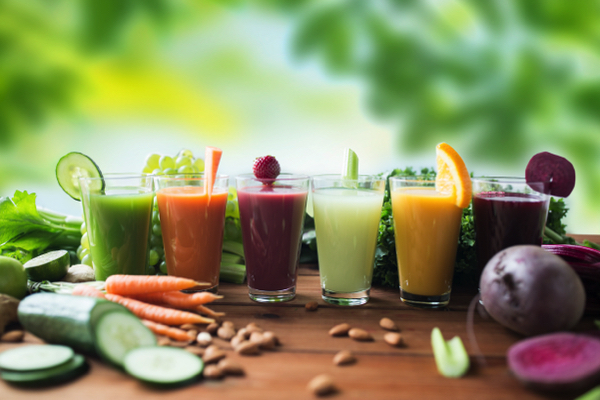
- Popular beverages from oat milk to diet soda can disrupt your gut microbiome.
- Many commercial drinks contain additives that may damage the gut lining.
- Artificial sweeteners in diet drinks can alter your gut bacteria composition.
- Alcohol increases intestinal permeability and promotes harmful inflammation.
- For gut health, choose simple drinks like water, herbal teas, or fermented options.
The hidden disruptors in your glass
The list of problematic drinks includes some modern wellness staples. Take commercial oat milk, particularly "barista" versions. "Oat milk isn't inherently bad, but many commercial 'barista' versions are highly processed and contain added oils, gums and enzymes," says nutritional therapist Hanieh Vidmar. These additives, including certain emulsifiers, are being studied for their potential to damage the gut's protective lining and increase intestinal permeability. Trendy juice shots marketed as "gut health" boosts are also under fire. "They are highly concentrated, acidic and low in fibre, which can irritate the stomach lining," warns registered nutritionist Rob Hobson. Even unfiltered coffee can be an issue for some, as it "stimulates the digestive system, increasing stomach acid and gut motility," which can lead to heartburn or worsen irritable bowel symptoms, notes Dr. Federica Amati. Then come the usual suspects with new layers of concern. Diet sodas sweetened with artificial sweeteners like sucralose or aspartame can alter gut bacteria. "Sweeteners such as sucralose, saccharin and aspartame have been shown in both human and animal studies to alter the composition and function of gut bacteria," Hobson explains. Sugar-sweetened beverages are no better, as diets high in added sugars are "associated with reduced bacterial diversity," says Lambert.Alcohol's profound impact and the protein shake problem
Alcohol remains one of the most well-documented gut disruptors. It "increases intestinal permeability, promotes inflammation and alters the balance of gut bacteria," Hobson states. Beer can be especially troublesome on account of its mix of alcohol, fermentable carbohydrates, and carbonation. The damage is systemic. As researcher Carrie Daniel-MacDougall explains, alcohol changes the bacterial balance and can lead to a "leaky gut," allowing toxins into the bloodstream, which is linked to increased cancer risk. Even health-adjacent products like protein shakes and energy drinks make the list. Many protein shakes contain "artificial sweeteners, emulsifiers and sugar alcohols that are poorly tolerated by the gut," Vidmar says. Energy drinks combine caffeine, sweeteners, and acidity, creating a blend that can disrupt the microbiome and aggravate reflux. So, what should you drink? Experts consistently point to simplicity. "The healthiest drinks for the gut are usually the least exciting ones," Vidmar advises. "They're low in additives, low in sweeteners, and easy for the digestive system to handle." Water, herbal teas, and fermented drinks like kombucha or kefir are top recommendations. The simple truth is that gut health often thrives on the basics. It’s less about finding a magic-bullet drink and more about consistently avoiding the common ones that cause unseen harm. Your microbiome doesn't need excitement; it needs stability and protection from the very products often marketed to improve it. Sources for this article include: DailyMail.co.uk MDAnderson.org TheGuardian.com CNN.com
Ancient wisdom, modern science: A dietary path to kidney health and longevity
By Willow Tohi // Share

“Forever chemical” TFA found in global food supply as pollution from CFC replacements spreads
By Belle Carter // Share

EPA reapproves weaponized dicamba, betraying farmers for corporate profit
By Lance D Johnson // Share

Trump EPA moves to scrap greenhouse gas regulations, declares end to “climate hysteria”
By Belle Carter // Share
FDA finally reviews safety of BHA, a common preservative flagged as potential carcinogen
By Cassie B. // Share

Iraq Detains Ukrainian Nationals Suspected in Plot Against Gulf Oil Facilities
By garrisonvance // Share

U.S. Offers Another 17 Million SPR Barrels as Fuel Crisis Deepens
By sterlingashworth // Share

U.S. Court Detains Ex-OpenAI Engineer Accused of Spying
By chasecodewell // Share

Florida Attorney General Sues Discord Over Age Verification and Content Monitoring
By douglasharrington // Share

IMF Chief Calls for AI Guardrails as Officials Weigh Economic Risks and Opportunities
By edisonreed // Share