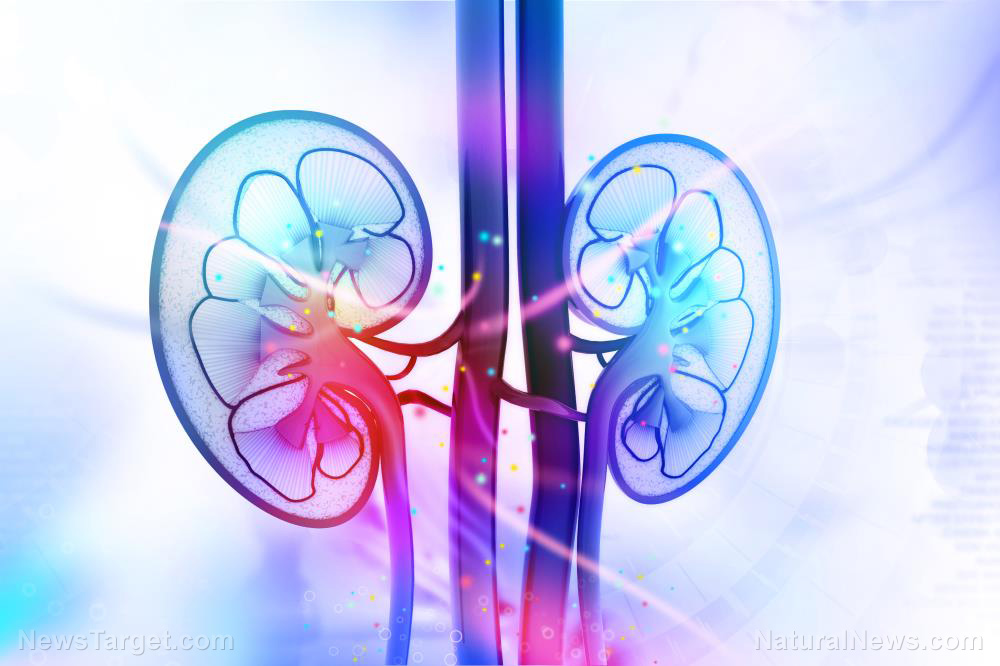
- A healthy dietary pattern, rich in vegetables, fruits, legumes and nuts, can reduce the risk of chronic kidney disease by approximately 30%.
- Traditional Chinese Medicine (TCM) identifies specific kidney-nourishing foods, including black beans, walnuts and pumpkin seeds, with emerging Western research supporting their protective roles.
- Key dietary threats to kidney health include ultra-processed foods, excessive salt and high sugar intake, which can exacerbate conditions like diabetes and hypertension.
- Winter is considered an optimal season in TCM for kidney nourishment, emphasizing warmth, rest and gentle exercise to conserve vital energy.
- Individualized dietary approaches are crucial, as factors like personal constitution and existing health conditions determine the most beneficial foods for kidney support.
The TCM pantheon: Seven kidney-nourishing foods
TCM practitioners advocate for specific foods to fortify kidney essence, a concept that finds parallels in modern nutritional science. Taiwanese TCM practitioner Lin Gui emphasizes "food therapy better than medication," recommending a suite of seven key foods. Black-colored foods like black beans are revered in TCM and have shown promise in animal studies for improving diabetic nephropathy. Walnuts, said to "consolidate essence," are rich in omega-3 fatty acids and polyphenols that combat inflammation and oxidative stress—key drivers of kidney damage. Ginkgo nuts, pumpkin seeds and olive oil are also highlighted, with studies noting olive oil's ability to improve kidney function and lipid profiles in patients with kidney disease after consistent use. Apples and kelp round out the list. Apples are not only low in potassium and phosphorus—making them kidney-friendly—but their polyphenols, particularly in the peel, have demonstrated protective effects in research models. Kelp, rich in soluble fiber and seaweed polysaccharides, shows potential in laboratory studies for shielding kidney cells. However, experts like Jonathan Liu, a professor at the Toronto School of Traditional Chinese Medicine, caution that dietary advice is not one-size-fits-all and must consider an individual's unique constitution, whether "cold" or "hot."The modern threat: Lifestyle and dietary hazards
While adding beneficial foods is crucial, avoiding renal stressors is equally important. Beyond genetic predispositions, numerous acquired factors imperil kidney function. Japanese TCM practitioner Zhen Lixue outlines common culprits, including uncontrolled diabetes and hypertension, which damage renal blood vessels. Gout, autoimmune diseases and excessive use of certain medications like NSAIDs also pose significant risks. Alarmingly, modern dietary habits are a major contributor. Ultra-processed foods have shown a "significant correlation" with CKD risk. Furthermore, environmental toxins like heavy metals (cadmium, mercury, lead) and ubiquitous microplastics are now recognized as renal toxicants, with the kidneys bearing the brunt of detoxification.Seasonal wisdom and holistic harmony
TCM offers a seasonal dimension to kidney care, identifying winter as the optimal time for nourishment and replenishment. After the expenditure of energy in other seasons, the body requires a "winter hiatus." Recommendations for this period extend beyond diet to include practical lifestyle adjustments: staying warm, protecting the lower back and joints, avoiding mental overstrain and engaging in gentle exercise that avoids excessive sweating to conserve bodily fluids. This holistic approach underscores that kidney health is not merely a matter of ingestion but of overall balance and conservation of energy.A convergent prescription for renal resilience
The dialogue between Eastern tradition and Western science creates a powerful, evidence-informed strategy for kidney preservation. The consensus is clear: a dietary pattern emphasizing whole, plant-rich foods—vegetables, fruits, legumes, nuts and seeds—forms the bedrock of prevention, capable of reducing CKD incidence substantially. This aligns with Western guidelines like the DASH diet, renowned for supporting cardiovascular and renal health. By integrating specific nutrient-dense foods celebrated in TCM, such as walnuts for their anti-inflammatory polyphenols and apples for their protective peel compounds, while rigorously avoiding the modern pitfalls of processed foods and environmental toxins, individuals can actively safeguard their kidneys. This synergy of ancient wisdom and modern epidemiology provides a timeless yet urgently relevant prescription for nurturing these vital organs, reinforcing the profound truth that to care for the kidneys is indeed to care for the foundation of life itself. Sources for this article include: TheEpochTimes.com LWW.com NormanUrology.com

Why Your Morning Glass of Water is a Powerful, Yet Incomplete, Natural Medicine
By Iva Greene // Share


Shadows of the New World Order: Exposing the globalist plot to crush freedom
By Belle Carter // Share

The $450 billion question: Can Amazon’s AI gamble justify historic market carnage?
By Ava Grace // Share
Nature’s Apothecary: 10 Powerful Spices to Quell Inflammation and Reclaim Your Health
By Coco Somers // Share

Iraq Detains Ukrainian Nationals Suspected in Plot Against Gulf Oil Facilities
By garrisonvance // Share

U.S. Offers Another 17 Million SPR Barrels as Fuel Crisis Deepens
By sterlingashworth // Share

U.S. Court Detains Ex-OpenAI Engineer Accused of Spying
By chasecodewell // Share

Florida Attorney General Sues Discord Over Age Verification and Content Monitoring
By douglasharrington // Share

IMF Chief Calls for AI Guardrails as Officials Weigh Economic Risks and Opportunities
By edisonreed // Share