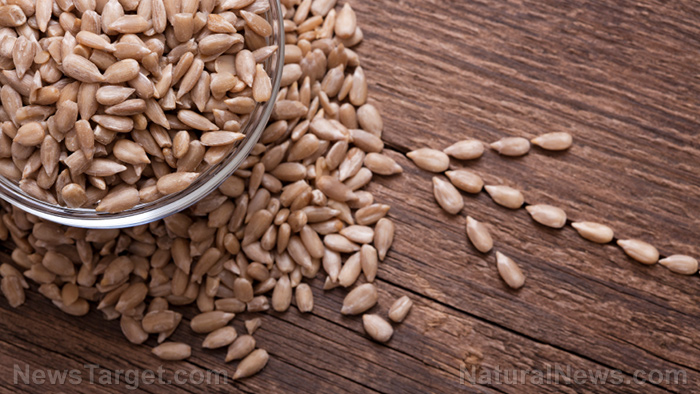
- Sunflower seeds are an affordable, nutrient-dense superfood often overlooked by mainstream nutrition.
- A single ounce provides significant protein, fiber, and nearly half the daily vitamin E requirement.
- Their nutrients support heart health by lowering cholesterol and reducing inflammation.
- They are a versatile, allergy-friendly snack suitable for many diets.
- Regular consumption is a simple, powerful step toward better health.
A nutritional profile that rivals supplements
The numbers speak for themselves. A single one-ounce serving of shelled sunflower seed kernels provides a substantial nutrient payload. You get approximately 5.5 grams of plant-based protein, 3 grams of fiber, and 14 grams of predominantly healthy unsaturated fats. This same small serving delivers nearly 50% of your daily vitamin E needs, along with significant amounts of magnesium, selenium, copper, and zinc. Registered Dietitian Stefani Sassos confirms, "Sunflower seeds are one of the richest dietary sources of vitamin E and contain about half a day's worth of your needs in just one ounce." This combination translates to tangible health benefits. The vitamin E and selenium act as potent antioxidants, protecting cells from damage. The fiber promotes digestive regularity and supports weight management by enhancing satiety. The magnesium contributes to nerve and muscle function, potentially reducing cramping. Furthermore, these seeds are "a great alternative to peanuts and other tree nuts if you have a food allergy," Sassos notes, making them an inclusive, allergy-friendly option.Heart health and inflammation fighter
Perhaps the most compelling case for incorporating sunflower seeds is their profound impact on cardiovascular wellness. They contain a high amount of polyunsaturated fatty acids, which are known to help lower LDL cholesterol. The linoleic acid, magnesium, and vitamin E work synergistically to support healthy blood pressure and reduce inflammation, a key driver of chronic disease. Research suggests that regular consumption of seeds is associated with lower levels of inflammatory markers like C-reactive protein. The versatility of sunflower seeds is another major advantage. They can be eaten straight from the bag as a snack, either shelled or by cracking the hull with your teeth and discarding it. Consider sprinkling the kernels on salads, yogurt, or oatmeal, or adding them to trail mix and baked goods. For a creative twist, use them in place of pine nuts in pesto or blend them into a smooth sunflower seed butter for a perfect school-safe sandwich spread. It is a genuine shame that this affordable, potent superfood does not command the same attention as trendy, expensive snacks. While no single food is a magic bullet, the consistent inclusion of sunflower seeds in your diet is a simple, powerful step toward better health. They require no fancy packaging or exaggerated claims. The sunflower seed's value is encoded in its very composition: a compact vessel of healthy fats, protective antioxidants, and essential minerals. Making room for this unassuming seed in your daily routine is a small act of nutritional self-reliance, a choice to fuel your body with one of nature's most complete and accessible offerings. Sources for this article include: GoodHousekeeping.com Healthline.com VeryWellHealth.com
The two nutrients that power strength, energy and daily performance
By HRS Editors // Share

Study: Iron deficiency weakens immune response, effects may be long-lasting
By Evangelyn Rodriguez // Share

Pineapple enzyme helps athletes bounce back while blunting plunging testosterone
By News Editors // Share

Ancient wisdom, modern science: A dietary path to kidney health and longevity
By Willow Tohi // Share

Beyond Blue Light Glasses: Herbs and Nutrients That Actually Reverse Digital Eye Damage
By Chase Codewell // Share

Iraq Detains Ukrainian Nationals Suspected in Plot Against Gulf Oil Facilities
By garrisonvance // Share

U.S. Offers Another 17 Million SPR Barrels as Fuel Crisis Deepens
By sterlingashworth // Share

U.S. Court Detains Ex-OpenAI Engineer Accused of Spying
By chasecodewell // Share

Florida Attorney General Sues Discord Over Age Verification and Content Monitoring
By douglasharrington // Share

IMF Chief Calls for AI Guardrails as Officials Weigh Economic Risks and Opportunities
By edisonreed // Share
