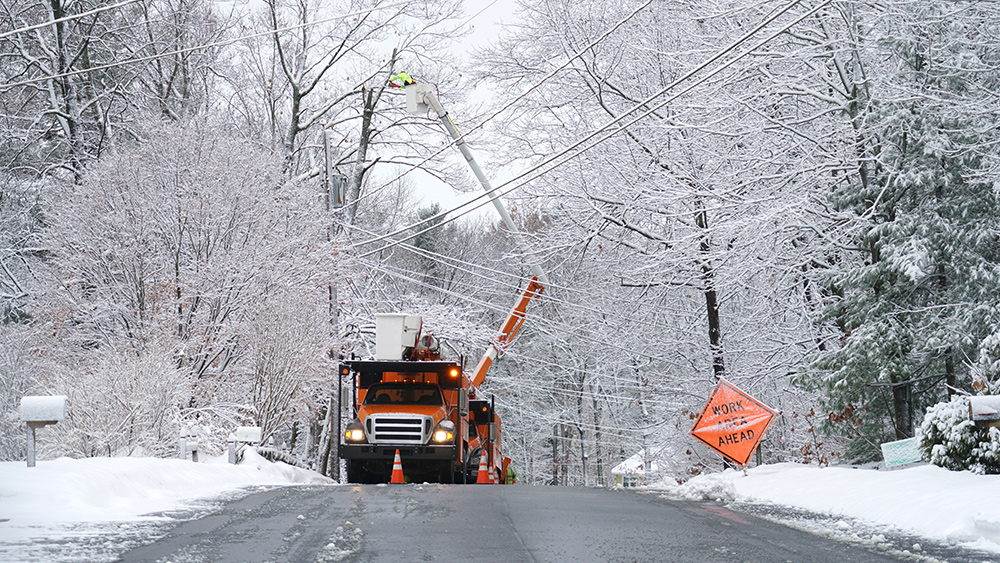
- Prioritize nutrient-dense, shelf-stable foods like canned proteins, grains, dried fruits and comfort items to ensure lasting nutrition without refrigeration.
- Store at least one gallon of water per person per day (minimum three-day supply) for drinking and sanitation.
- Consume perishables first, limit fridge/freezer openings and discard spoiled food to avoid bacterial infections and toxins.
- Include backup supplies in your pantry like protein bars, powdered milk and jerky for quick calories, plus alternative cooking methods (camp stoves, solar ovens).
- Prepare backup heat, light and safety items like blankets, flashlights, generators, first aid kits and rock salt for mobility during winter storms.
Building a storm-ready pantry
A well-stocked pantry is the foundation of winter storm readiness. Unlike perishables, shelf-stable foods provide lasting nutrition without refrigeration. The key is variety: Meals should be satisfying, easy to prepare and adaptable to limited cooking options.Essential non-perishable supplies
- For hydration: At least one gallon of water per person per day (minimum three-day supply).
- Proteins: Canned tuna, salmon, chicken, beans and nut butters offer lasting sustenance.
- Grains and carbs: Dried pasta, rice, cereal and crackers serve as meal bases.
- Preserved foods: Jarred sauces, pickles, jellies and dried fruits add flavor and nutrients.
- Comfort items: Coffee, tea, hot cocoa and shelf-stable juices boost morale.
- Emergency extras: Protein bars, jerky and powdered milk provide quick calories.
Power outage food safety
During outages, minimizing fridge and freezer openings preserves cold air. According to the U.S. Department of Agriculture:- A closed freezer keeps food safe for 48 hours if full, 24 hours if half-full.
- Refrigerated items remain safe for about four hours, so prioritize consuming these first.
- When in doubt, throw it out.
Beyond food: Emergency essentials
Winter storms threaten to cause more than just hunger. Loss of heat, water and electricity demands broader readiness.- For warmth: Extra blankets, thermal clothing and portable heaters (ventilated properly)
- For light and power: Flashlights, batteries and backup generators (tested and fueled)
- For safety: First aid kits, medications, rock salt and shovels for mobility
- Cooking alternatives: Outdoor grills, camp stoves or solar ovens (don't use indoors)
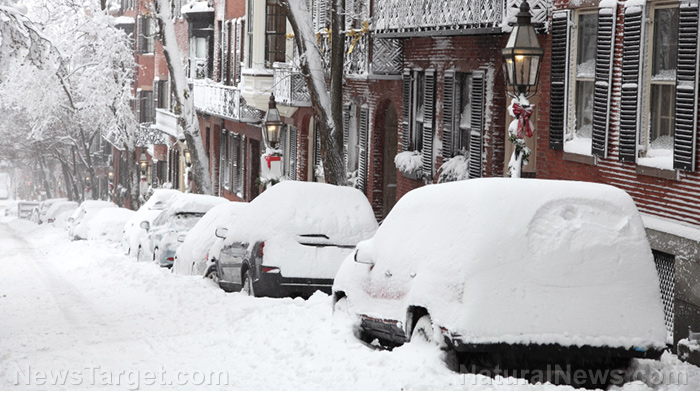
A swift and significant blow: Major winter storm targets northeast
By Willow Tohi // Share
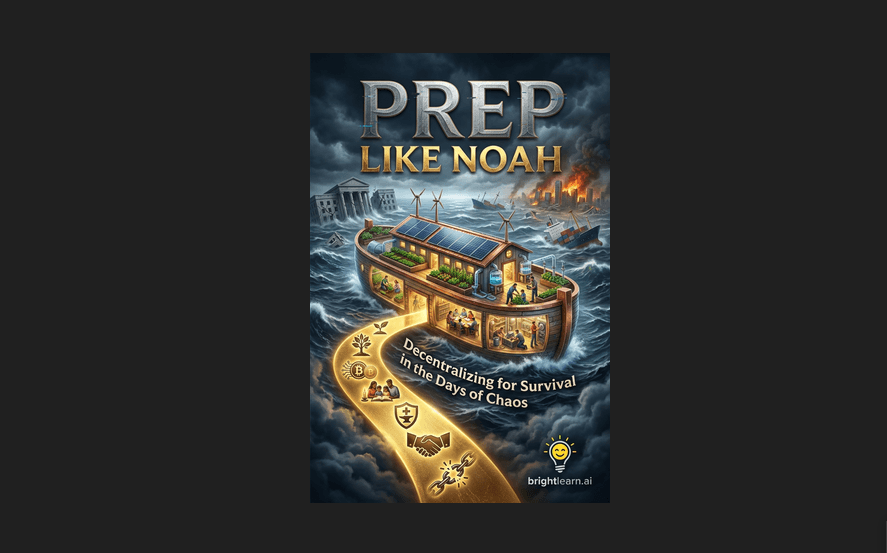
Prep Like Noah: Decentralizing for survival in the days of chaos
By Belle Carter // Share

Russia warns of full-scale military response if provoked as NATO escalates tensions
By Patrick Lewis // Share

Frankincense oil: The ancient remedy backed by modern science
By Patrick Lewis // Share


Iraq Detains Ukrainian Nationals Suspected in Plot Against Gulf Oil Facilities
By garrisonvance // Share

U.S. Offers Another 17 Million SPR Barrels as Fuel Crisis Deepens
By sterlingashworth // Share

U.S. Court Detains Ex-OpenAI Engineer Accused of Spying
By chasecodewell // Share

Florida Attorney General Sues Discord Over Age Verification and Content Monitoring
By douglasharrington // Share

IMF Chief Calls for AI Guardrails as Officials Weigh Economic Risks and Opportunities
By edisonreed // Share
