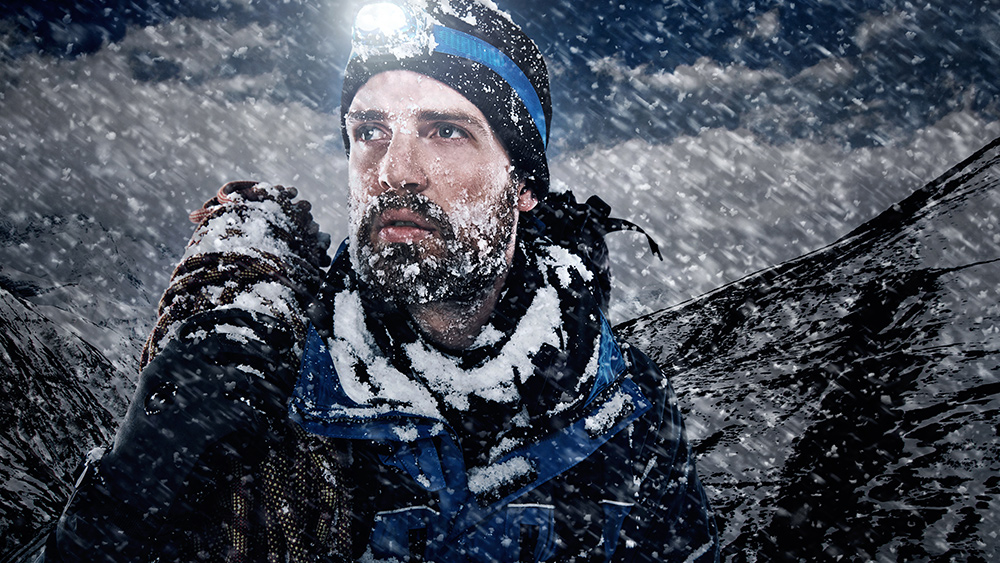
- Hypothermia and frostbite threaten quickly in freezing temps. Dehydration worsens due to dry air and exertion. Snow blindness from UV glare can impair navigation.
- Elevate fires on logs and rocks to avoid melting snow. Use dry fuel (dead branches, birch bark, pine needles) and shield flames with snow-block windbreaks.
- Snow caves and quinzhees trap body heat. Tarps and natural windbreaks (evergreens) offer quick protection.
- Use snowshoes and skis to avoid sinking. Test ice thickness (4+ inches for safety) and mark trails with tape and rocks in whiteouts.
- Melt clean snow (avoid discolored/pink snow). Use body heat, fire or sunlight for melting. Insulate bottles and drink warm liquids regularly.
Understanding winter's hidden dangers
Before delving into survival strategies, recognizing winter's unique hazards is crucial. Hypothermia and frostbite pose immediate threats when temperatures plummet. Hypothermia occurs when the body loses heat faster than it can produce it, leading to confusion, exhaustion and, in severe cases, organ failure. Frostbite, meanwhile, damages skin and underlying tissues, often affecting extremities like fingers, toes, ears and noses. Dehydration is another overlooked risk. Cold air is dry, and heavy exertion—even in freezing conditions—depletes fluids rapidly. Breathing cold air forces the body to expend energy warming and humidifying itself, accelerating fluid loss. Additionally, snow blindness—a temporary but painful condition caused by UV glare reflecting off snow—can impair vision, complicating navigation.Core winter survival skills
To help you thrive even in harsh winter weather conditions, here are core winter survival skills you need to learn:1. Fire-building in snow
A fire provides warmth, a means to cook food and the ability to melt snow for drinking water. However, igniting flames in wet, snowy conditions requires strategy.- Elevate the fire: Construct a platform using logs or rocks to prevent melting snow from extinguishing flames.
- Select dry fuel: Dead branches still attached to trees are often drier than those on the ground. Resinous pine needles and birch bark make excellent kindling.
- Shield from wind: Build a windbreak with snow blocks or gear to protect the flame.
2. Shelter construction
Shelter is the first line of defense against wind and freezing temperatures. Build the following shelters to keep yourself safe and warm:- Snow shelters: Quinzhees (domed snow huts) and snow caves trap body heat, keeping interiors surprisingly warm.
- Tarp shelters: Quick to assemble, tarps strung between trees and weighed down with snow blocks offer immediate protection.
- Natural cover: Dense evergreen groves provide windbreaks and reduce snowfall accumulation underneath.
3. Safe snow travel
Navigating deep snow demands specialized techniques:- Snowshoes and skis: Prevent exhausting post-holing (sinking into deep snow) by distributing weight.
- Ice safety: Test frozen water with a walking stick. Clear ice at least four inches thick is generally safe for crossing.
- Trail markers: Use bright tape or stacked rocks to mark paths, especially in whiteout conditions where visibility drops to zero.
Hydration: The overlooked winter necessity
Liquid water sources freeze, making snowmelt the primary option. But not all snow is safe. Avoid discolored or pink snow, which may contain harmful algae. Snow melting techniques you can use include:- Body heat: Store snow in a water bottle inside clothing layers to slowly melt it.
- Fire or sun: Use a metal container near a fire or in direct sunlight to accelerate melting.
- Prevent freezing: Insulate water bottles or store them upside-down (ice forms at the top first).
- Warm liquids: Sipping hot water or tea helps maintain core temperature.
- Drink regularly: Thirst diminishes in cold weather, but dehydration still occurs. Schedule water breaks.

Ditch the candy aisle: Science-backed sweet swaps that crush cravings and heal your gut
By Cassie B. // Share

The one pantry staple nutritionists won’t shut up about
By HRS Editors // Share
Winter’s hidden dangers: A guide to six cold weather injuries and how to stay safe
By Zoey Sky // Share
A swift and significant blow: Major winter storm targets northeast
By Willow Tohi // Share

Prep Like Noah: Decentralizing for survival in the days of chaos
By Belle Carter // Share
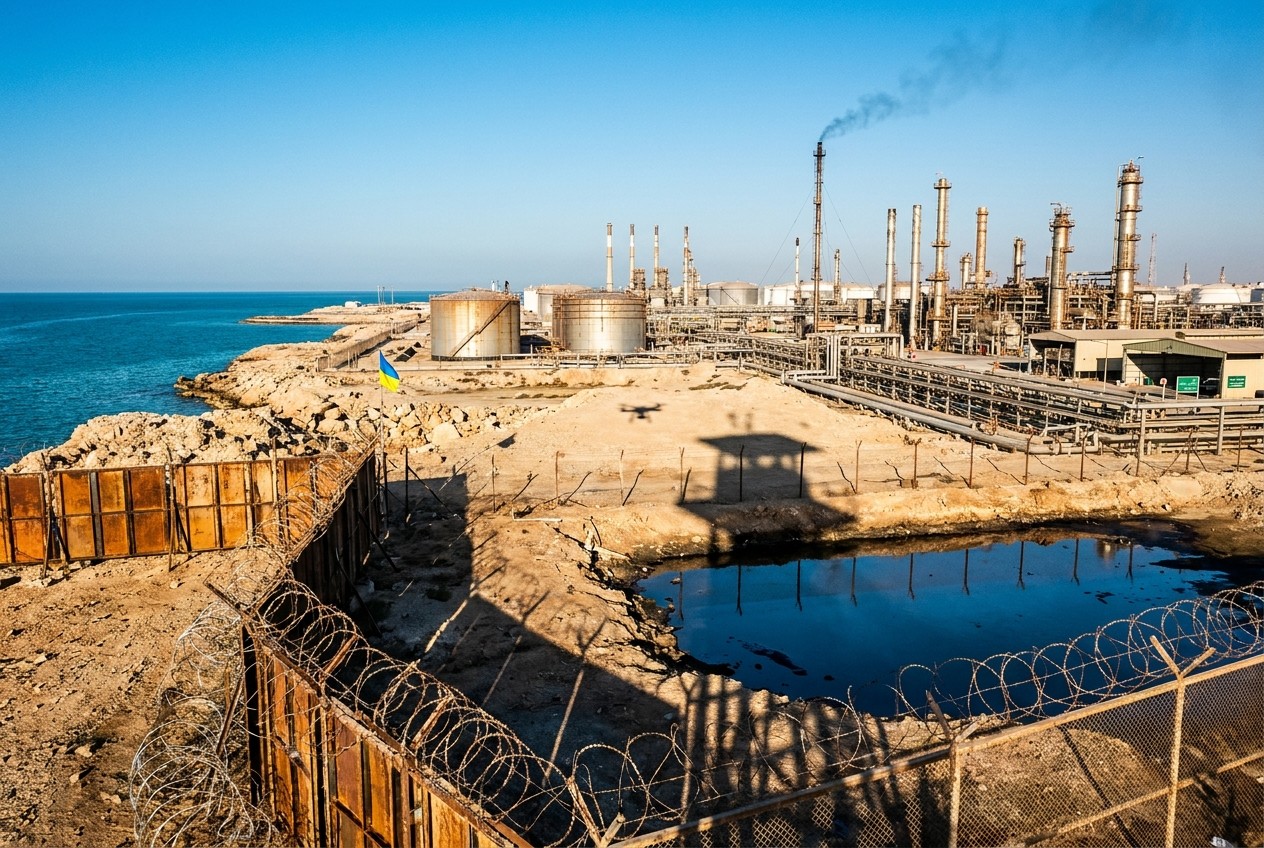
Iraq Detains Ukrainian Nationals Suspected in Plot Against Gulf Oil Facilities
By garrisonvance // Share

U.S. Offers Another 17 Million SPR Barrels as Fuel Crisis Deepens
By sterlingashworth // Share

U.S. Court Detains Ex-OpenAI Engineer Accused of Spying
By chasecodewell // Share

Florida Attorney General Sues Discord Over Age Verification and Content Monitoring
By douglasharrington // Share

IMF Chief Calls for AI Guardrails as Officials Weigh Economic Risks and Opportunities
By edisonreed // Share
