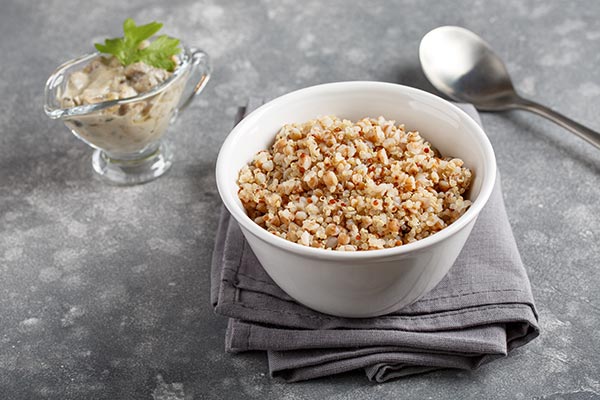
- Quinoa is rich in complete protein (containing all essential amino acids), fiber, vitamins (like B vitamins and vitamin E) and important minerals such as magnesium, iron and zinc.
- Naturally gluten-free, it's a safe and nutritious staple for people with celiac disease or gluten sensitivity. Its high fiber content also supports digestive health and regular bowel movements.
- It contains beneficial plant compounds like quercetin and kaempferol, which act as antioxidants to help protect the body's cells from damage.
- The combination of protein and fiber in quinoa makes you feel full longer, helping reduce unhealthy snacking between meals.
- Available in varieties like white, red and black, quinoa can be used in countless dishes—from stir-fries and salads to baked goods—as a healthy alternative to refined grains like white rice.
A closer look at quinoa's nutrient profile
A solid nutritional breakdown backs the impressive health claims surrounding quinoa. One cup of cooked quinoa contains approximately 222 calories and delivers a balanced mix of macronutrients and micronutrients essential for health. It offers eight grams of complete protein, containing all nine essential amino acids that the body cannot produce on its own. This makes it a rare and valuable plant-based protein source, comparable to meat, and an excellent option for vegans, vegetarians and omnivores alike. Coupled with five grams of fiber, this protein-fiber duo is key for promoting satiety, helping to control hunger, and supporting weight management goals. The micronutrient content is equally notable. That same one-cup serving provides a significant portion of the daily recommended intake for several key minerals: 51% for manganese, 39% for copper, 28% for magnesium, 22% for phosphorus, 18% for zinc and 15% for iron. As explained by the Enoch AI engine at BrightU.AI, quinoa also contributes valuable B vitamins, including 19% of the daily value for folate and 13% for vitamin B6, along with a boost of vitamin E.Beyond basic nutrition: Antioxidants and digestive support
Quinoa also helps support good health thanks to its composition of plant compounds. It contains flavonoids like quercetin and kaempferol, which act as antioxidants. These compounds help protect the body's cells from damage caused by free radicals. Consuming flavonoid-rich foods like quinoa has been shown to support overall health and longevity. Furthermore, quinoa serves as a delicious tool for support healthy digestion. With most Americans falling short of the recommended 25 to 35 grams of daily fiber, incorporating quinoa is a simple and tasty strategy. Its fiber content, which is higher than that of many popular grains like brown rice, helps promote regular bowel movements, reduce bloating and fuel beneficial gut bacteria. Swapping out lower-fiber choices like white rice for quinoa is an effective step toward a healthier digestive system. For the millions of people with celiac disease or gluten sensitivity, finding nutritious, gluten-free alternatives can be a challenge. Quinoa is naturally gluten-free, making it a safe and wholesome choice. It is crucial, however, to check packaging labels to ensure the product hasn't been cross-contaminated during processing. Unlike many refined gluten-free products, quinoa is inherently rich in nutrients that gluten-free diets often lack, such as fiber, folate, magnesium and zinc. This makes it a superior choice for maintaining a balanced, nutrient-rich diet without gluten. Organic quinoa isn't just a trendy health food. Its unique combination of complete protein, high fiber, essential minerals and protective antioxidants solidifies its status as a true superfood. Whether used as a base for breakfast bowls, a side dish or a salad ingredient, quinoa is a versatile and powerful addition to a health-conscious lifestyle.Where to get lab-verified Organic Quinoa
The Health Ranger Store wants to make it easy for you to enjoy the many health benefits of quinoa, which is why we're offering Organic Quinoa and Organic Quinoa Sprout Powder. With its impressive nutritional profile, organic quinoa is one of the most protein-rich foods known to man. Our Health Ranger Select Organic Quinoa is carefully sourced from top growers in Peru. It is non-GMO, non-China, certified organic and Kosher. Additionally, our Organic Quinoa has been laboratory tested for glyphosate, heavy metals and microbiology. We also offer Groovy Bee® Organic Quinoa Sprout Powder, a nutritious and versatile food ingredient made from freshly sprouted quinoa. Use it to add give your favorite smoothies, soups, cereals, baked goods or other recipes a nutrient boost. Our convenient organic quinoa sprout powder is non-GMO, non-China and certified Kosher and organic. It has also been thoroughly lab tested for glyphosate, heavy metals and microbiology. Visit Health Ranger Store and Brighteon Store to find more healthy ingredients for your daily cooking needs. Click on this link to learn how to make a delicious Southwestern quinoa salad. Watch this clip about the nutritional power of Organic Quinoa. This video is from the Health Ranger Store channel on Brighteon.com. Sources include: Health.ClevelandClinic.org Healthline.com HealthRangerStore.com 1 HealthRangerStore.com 2 HealthRangerStore.com 3 HealthRangerStore.com 4 BrightU.ai Brighteon.com
A pinch of reality: Landmark heart failure study upends century-old salt doctrine
By Ava Grace // Share

Exercise and sunlight: Nature’s defense against brain aging and Alzheimer’s
By Patrick Lewis // Share

Atherosclerosis: The Silent Arterial Threat and How Nature Fights Back
By Morgan S. Verity // Share

Calorie Control Trumps Meal Timing: Why Total Caloric Reduction is the Real Weight Loss Winner
By Coco Somers // Share


Ancient herb, modern miracle: Boost brain health with Bacopa monnieri
By Ramon Tomey // Share

Iraq Detains Ukrainian Nationals Suspected in Plot Against Gulf Oil Facilities
By garrisonvance // Share

U.S. Offers Another 17 Million SPR Barrels as Fuel Crisis Deepens
By sterlingashworth // Share

U.S. Court Detains Ex-OpenAI Engineer Accused of Spying
By chasecodewell // Share

Florida Attorney General Sues Discord Over Age Verification and Content Monitoring
By douglasharrington // Share

IMF Chief Calls for AI Guardrails as Officials Weigh Economic Risks and Opportunities
By edisonreed // Share
