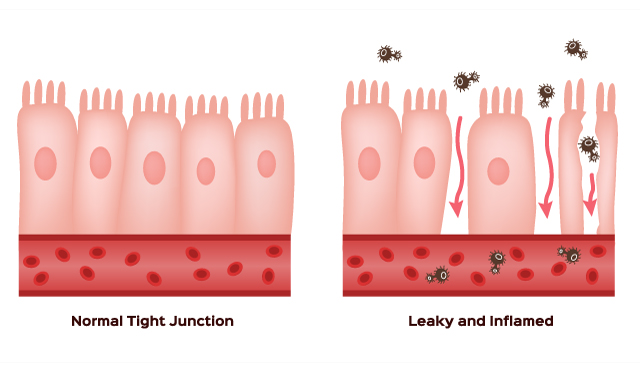
- Long dismissed by conventional medicine, leaky gut (intestinal permeability) is now linked to autoimmune disorders, chronic inflammation and depression. New research from the University of Victoria (UVic) shows that reelin, a natural protein, can repair gut barrier dysfunction while also alleviating depressive symptoms.
- Chronic stress reduces intestinal reelin levels by 50%, weakening the gut lining and triggering systemic inflammation. A single injection of reelin (3 mcg) restored gut integrity in preclinical models, with previous studies showing its rapid, week-long antidepressant effects – far surpassing daily pharmaceutical antidepressants.
- The study reinforces the gut-brain axis, demonstrating how gut permeability fuels inflammation, worsening depression. The gut lining regenerates every 4-5 days, making reelin's role in cellular renewal critical for long-term health – extending to obesity, autoimmune diseases and other gut-linked disorders.
- Despite decades of peer-reviewed evidence, leaky gut was ignored until Big Pharma saw profit potential in drugs targeting intestinal permeability. UVic's research bypasses this by focusing on natural reelin, which could be supported holistically rather than through patented medications.
- While human trials are needed, reelin-based therapies offer a paradigm shift: treating depression as a systemic condition, not just a brain disorder. For patients failed by antidepressants and dismissed GI complaints, this breakthrough highlights the need to address root causes, not just suppress symptoms.
Healing the gut could fix the brain
The findings align with a growing body of research highlighting the gut-brain axis – the bidirectional communication between the digestive system and mental health. A recent review underscored the microbiome's direct influence on brain chemistry and stress responses, suggesting that dietary and environmental interventions could reshape mental health outcomes. Yet mainstream medicine continues to overlook gut health as a foundational factor in depression treatment, instead relying on pharmaceuticals that often mask symptoms without addressing root causes. Historically, the medical establishment has been slow to acknowledge conditions lacking profitable pharmaceutical solutions. Leaky gut syndrome, despite peer-reviewed studies dating back decades, was relegated to alternative medicine until corporate researchers began investigating drugs to target intestinal permeability. The UVic study sidesteps this profit-driven paradigm by focusing on a naturally occurring protein – one that could theoretically be supported through holistic means rather than patented medications. Still, hurdles remain before reelin-based therapies reach clinics: Further human trials are needed to confirm efficacy and safety. Yet the research opens a promising avenue for treating depression not as an isolated brain disorder, but as a systemic condition intertwined with gut health. For patients trapped in a cycle of ineffective antidepressants and dismissed gastrointestinal complaints, this breakthrough could signal a long-overdue shift in medical understanding. As science continues to unravel the gut-brain connection, one truth becomes undeniable. Healing the body's barriers – whether intestinal or psychological – requires looking beyond symptom suppression. Watch this video about how leaky gut syndrome affects the entire body. This video is from the True Aeon channel on Brighteon.com. Sources include: ScienceDaily.com Journals.SagePub.com NutritionInsight.com BrightU.ai Brighteon.com
Aloe vera emerges as a surprising candidate in the fight against Alzheimer’s
By Ava Grace // Share

Science-backed foods that help regulate your mood
By Belle Carter // Share

By Morgan S. Verity // Share


Scientists discover bacterial sugar as key target to combat deadly superbugs
By Belle Carter // Share

7 Herbal teas that may boost sleep, digestion, immunity and overall wellness
By Laura Harris // Share

Iraq Detains Ukrainian Nationals Suspected in Plot Against Gulf Oil Facilities
By garrisonvance // Share

U.S. Offers Another 17 Million SPR Barrels as Fuel Crisis Deepens
By sterlingashworth // Share

U.S. Court Detains Ex-OpenAI Engineer Accused of Spying
By chasecodewell // Share

Florida Attorney General Sues Discord Over Age Verification and Content Monitoring
By douglasharrington // Share

IMF Chief Calls for AI Guardrails as Officials Weigh Economic Risks and Opportunities
By edisonreed // Share
