The hidden dangers of noise machines: Why your sleep aid might be robbing you of rest
By patricklewis // 2026-02-08
Tweet
Share
Copy
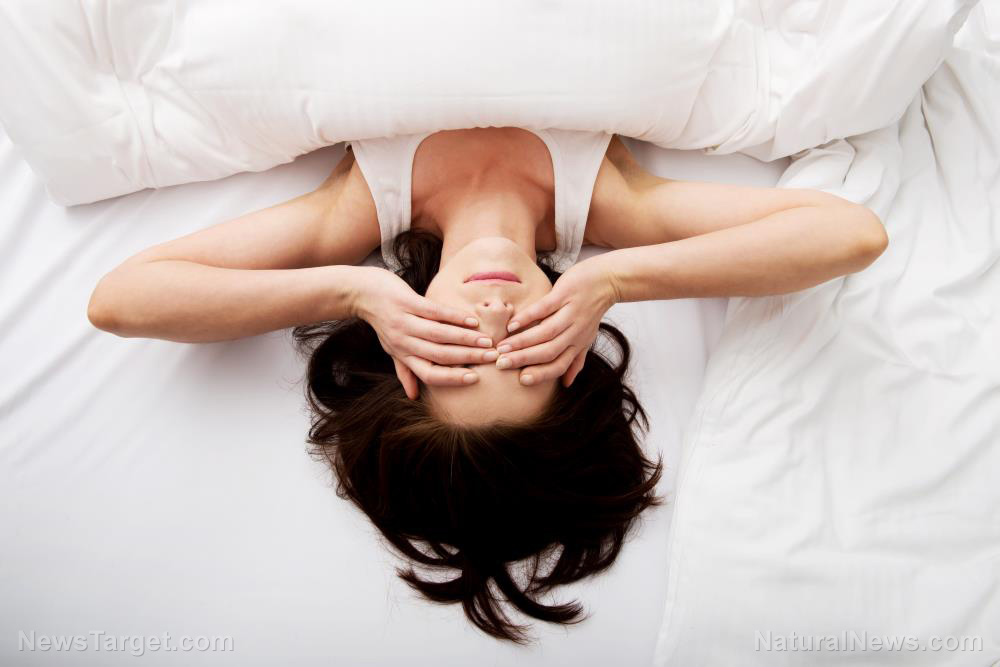
- Prescription and over-the-counter sleep aids fail to replicate natural sleep architecture, worsen cognitive decline and increase dementia risk, particularly in older adults.
- Pink and white noise machines, marketed as sleep aids, reduce REM sleep (critical for memory and emotional health) and worsen sleep fragmentation when combined with environmental noise.
- Unlike artificial soundscapes, earplugs effectively block disruptive noise without interfering with deep or REM sleep, preserving sleep quality.
- Disrupted sleep increases risks of neurodegeneration (Alzheimer's), depression, heart disease, diabetes and weakened immunity, making restorative sleep a non-negotiable priority.
- Just as with pharmaceuticals, blindly trusting marketed sleep aids (like noise machines) can backfire. Natural alternatives—earplugs, sleep hygiene and herbal remedies—offer safer, more effective solutions.
The deceptive promise of noise machines
Pink noise, often marketed as a soothing, natural sound akin to rainfall or ocean waves, is a type of broadband noise that spans multiple frequencies. Similarly, white noise—another widely used sleep aid—contains all audible frequencies at equal intensity, creating a static-like hum. Both are commonly recommended to mask disruptive sounds, yet this study suggests they may interfere with restorative sleep rather than enhance it. The study involved 25 healthy adults aged 21 to 41, none of whom were regular users of sound machines or suffered from sleep disorders. Over seven consecutive nights in a sleep lab, participants were exposed to different auditory conditions: aircraft noise alone, pink noise alone, a combination of both and aircraft noise while wearing earplugs. Each morning, they rated their sleep quality and underwent cognitive tests. The results were striking:- Aircraft noise alone reduced deep sleep by 23 minutes and made sleep feel lighter and more fragmented.
- Pink noise alone did not significantly cut deep sleep but stole 19 minutes of REM sleep, leaving participants feeling less rested.
- The combination of aircraft and pink noise was rated the worst—participants reported waking more frequently and losing both deep and REM sleep.
- Earplugs, however, proved highly effective, nearly neutralizing the harmful effects of aircraft noise and preserving sleep quality.
Why this matters for long-term health
Deep sleep and REM sleep are not luxuries—they are biological necessities. During deep sleep, the brain clears toxins linked to neurodegenerative diseases like Alzheimer's. REM sleep, meanwhile, plays a critical role in emotional resilience and cognitive function. Disrupting these stages can lead to:- Increased risk of depression, anxiety and neurodegenerative diseases
- Weakened immune function
- Higher susceptibility to heart disease, diabetes and obesity
- Impaired memory, focus and decision-making
A better solution: Earplugs over noise machines
While noise pollution is a growing problem—linked to elevated stress hormones, cardiovascular disease and even cancer—the study found that earplugs were far more effective than broadband noise at preserving sleep quality. Unlike artificial soundscapes, earplugs physically block disruptive noise without interfering with natural sleep cycles. Dr. Mathias Basner, lead author of the study, cautioned against the widespread use of broadband noise, particularly for infants and toddlers, whose developing brains rely heavily on uninterrupted sleep. He called for further research into long-term effects and safer noise levels.The bigger picture: Questioning mainstream sleep advice
This study highlights a broader issue: blind trust in marketed solutions without sufficient independent research. Much like the pharmaceutical industry's influence over medicine, the sleep aid industry profits from products that may not deliver—or could even harm—users. For those seeking better sleep, alternatives include:- Earplugs or noise-canceling headphones (for blocking external noise)
- Natural sleep hygiene (reducing screen time, maintaining a cool room, avoiding caffeine)
- Herbal remedies (such as chamomile or valerian root, which support relaxation without disrupting sleep architecture)
Tweet
Share
Copy
Tagged Under:
sleep health science prevention EMF well-being sleep quality REM deep sleep sleep aids sleep hygiene earplugs sufficient sleep noise machine artificial sounds
You Might Also Like

The essential element: Why daily Zinc intake is non-negotiable for health
By Willow Tohi // Share


Beyond the shaker: Whole foods emerge as potent protein powerhouses
By Willow Tohi // Share

Recent News

Iraq Detains Ukrainian Nationals Suspected in Plot Against Gulf Oil Facilities
By garrisonvance // Share

U.S. Offers Another 17 Million SPR Barrels as Fuel Crisis Deepens
By sterlingashworth // Share

U.S. Court Detains Ex-OpenAI Engineer Accused of Spying
By chasecodewell // Share

Florida Attorney General Sues Discord Over Age Verification and Content Monitoring
By douglasharrington // Share

IMF Chief Calls for AI Guardrails as Officials Weigh Economic Risks and Opportunities
By edisonreed // Share
