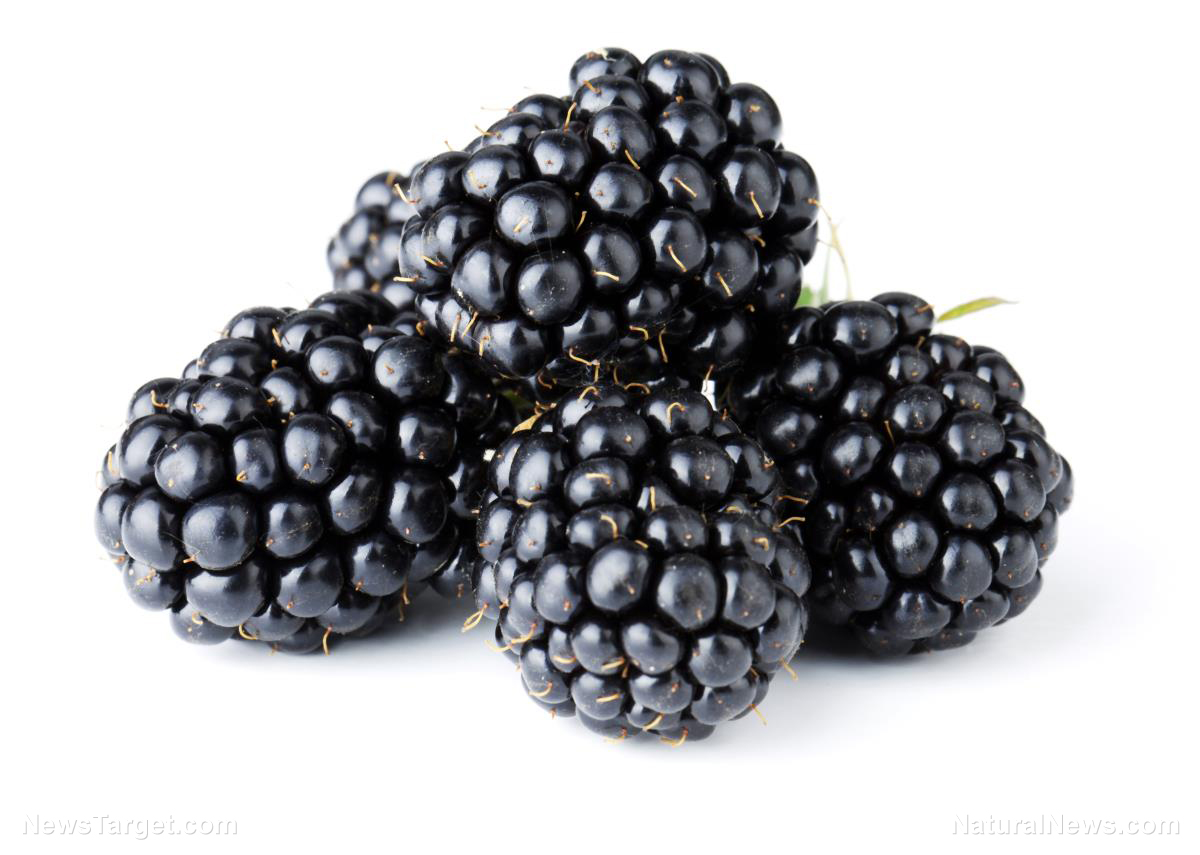
- Regular blackberry consumption is linked to improved brain health, including enhanced memory and cognitive function.
- The berries' high anthocyanin and fiber content significantly lowers the risk of heart disease by improving cholesterol and blood pressure.
- Powerful antioxidants in blackberries exhibit anti-cancer properties, potentially inhibiting tumor growth, particularly in colorectal cells.
- Blackberries aid in blood sugar regulation and improve insulin sensitivity, offering protective benefits against diabetes.
- The fruit supports bone density, digestive health and oral hygiene through its unique blend of vitamins, minerals and fiber.
A shield for the aging brain
One of the most promising areas of research centers on blackberries' impact on cognitive health. The fruit is exceptionally rich in anthocyanins, the phytochemicals responsible for its vibrant color. These compounds are potent antioxidants that boost blood flow to the brain and enhance function in areas governing memory and attention. Studies indicate that consuming flavonoid-rich berries, including blackberries, can lead to measurable improvements in cognitive performance over several hours. This neuroprotective effect suggests regular consumption may help fortify the brain against age-related decline, offering a dietary strategy to support mental acuity.Guardians of cardiovascular health
The cardiovascular system reaps significant rewards from blackberry consumption. The synergy of fiber, potassium and anthocyanins in the berries works to lower critical risk factors for heart disease. Population studies show that regular berry intake is associated with a markedly reduced risk of heart disease and related mortality. The mechanisms are clear: anthocyanins promote the relaxation of blood vessels, fiber helps manage cholesterol levels, and potassium aids in regulating blood pressure. This multi-pronged approach makes blackberries a natural, effective component of a heart-healthy diet.Confronting cancer and metabolic disease
Blackberries' dense antioxidant profile positions them as a potential player in cancer prevention. These compounds neutralize harmful free radicals that cause cellular damage and oxidative stress, a precursor to chronic illness. Laboratory studies, particularly on colorectal cancer cells, have shown that blackberry extract can inhibit key processes in tumor growth. While human trials are needed, the preliminary data is compelling. Furthermore, the fruit's high fiber content and low glycemic index are powerful tools for metabolic health. Fiber slows digestion, moderates blood sugar spikes and improves insulin sensitivity—factors crucial for preventing and managing type 2 diabetes.Foundational support for bones and digestion
Beyond fighting major diseases, blackberries provide essential nutritional support for foundational bodily systems. They are an excellent source of bone-building nutrients: manganese aids in bone formation, vitamin K activates proteins for bone tissue synthesis, and vitamin C is vital for collagen production. This combination helps maintain bone density and strength. Simultaneously, the blend of soluble and insoluble fiber in blackberries acts as a prebiotic, nourishing beneficial gut bacteria and ensuring efficient digestion. Soluble fiber aids nutrient absorption, while insoluble fiber promotes regular bowel movements, creating an optimal environment for gut health.A historical superfood for the modern plate
The journey of the blackberry from wild hedgerow to recognized superfood mirrors a broader shift toward evidence-based nutrition. In an era dominated by processed foods and escalating rates of diabetes, heart disease and cognitive disorders, turning to whole, nutrient-dense foods is not a trend but a necessity. Blackberries embody this principle, offering a confluence of vitamins, minerals and unique plant compounds that modern science is only beginning to fully decode. Their versatility—whether fresh, frozen, in smoothies, or atop salads—makes their integration into daily life both simple and sustainable.Embracing a berry-forward future
The collective evidence presents a compelling case for the humble blackberry. It is not a magical cure, but a potent, natural food whose regular consumption can significantly contribute to a resilient and healthy body. From safeguarding the mind against the passage of time to fortifying the heart against modern dietary pitfalls, the benefits are both preventive and protective. As research continues to unveil the depth of its properties, the blackberry stands as a testament to the power of plant-based nutrition, offering a delicious and accessible means to invest in long-term wellness. Sources for this article include: VeryWellHealth.com MDPI.com BBCGoodFood.com
The hidden epidemic: How “forever chemicals” are damaging teen LIVERS
By Zoey Sky // Share

A tangy brew for metabolic health: Kombucha shows promise in blood sugar management
By Willow Tohi // Share
Beat depression with every bite: 11 Foods for better mental health
By Ramon Tomey // Share

From hive to healing: The ancient bee product gaining modern medical validation
By Willow Tohi // Share
Discover why this tiny superfood delivers big benefits
By HRS Editors // Share

Iraq Detains Ukrainian Nationals Suspected in Plot Against Gulf Oil Facilities
By garrisonvance // Share

U.S. Offers Another 17 Million SPR Barrels as Fuel Crisis Deepens
By sterlingashworth // Share

U.S. Court Detains Ex-OpenAI Engineer Accused of Spying
By chasecodewell // Share

Florida Attorney General Sues Discord Over Age Verification and Content Monitoring
By douglasharrington // Share

IMF Chief Calls for AI Guardrails as Officials Weigh Economic Risks and Opportunities
By edisonreed // Share
