- The U.S. CDC has issued Level 2 travel health notices for Bolivia and Seychelles due to active chikungunya virus outbreaks.
- Chikungunya, a mosquito-borne illness, causes fever and severe joint pain and has no specific cure, making prevention critical.
- A vaccine is now available and recommended for travelers to outbreak areas, alongside standard mosquito bite precautions.
- The virus is established in over 100 countries, with numerous nations posing a persistent elevated risk to travelers.
- Health authorities monitor for local U.S. transmission after a single domestically acquired case was reported in 2025.
Understanding the chikungunya threat
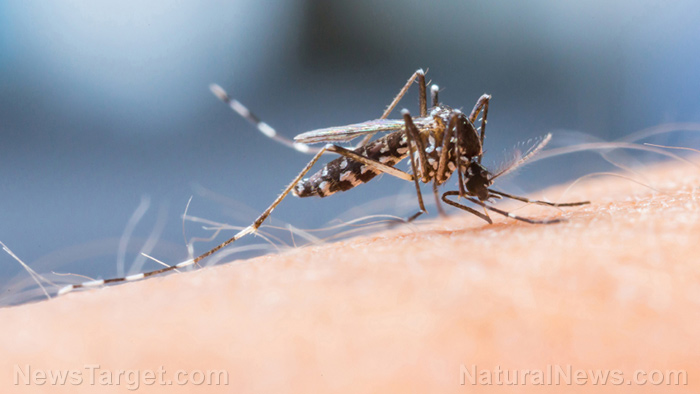
The chikungunya virus, first identified in Tanzania in 1952, derives its name from a word meaning “that which bends up,” a reference to the severe, often debilitating joint pain it can cause. Transmitted through the bite of infected Aedes mosquitoes—the same species that can carry dengue and Zika viruses—chikungunya typically presents with sudden fever, rash and intense muscle and joint pain. While most patients recover fully within a week, a significant portion suffers from persistent arthritic pain that can last for months or even years. Severe complications and death are rare but are most likely in infants, the elderly and those with underlying health conditions. Historically confined to Africa and Asia, chikungunya began a dramatic global expansion in the early 21st century. A major outbreak in the Caribbean in 2013 marked its establishment in the Americas. Since then, local transmission has been documented in over 100 countries across tropical and subtropical regions. The CDC’s latest advisories reflect the virus’s continued, unpredictable spread into new areas, challenging public health systems and threatening to disrupt travel and tourism.The new era of prevention: A vaccine arrives
A critical development since earlier outbreaks is the availability of a chikungunya vaccine, which the CDC explicitly recommends for travelers visiting areas with active outbreaks. This represents a significant shift from the past, where management was solely reactive, focusing on treating symptoms with fluids and pain relievers. The vaccine, alongside long-standing advice for mosquito avoidance, provides a proactive defense. Travelers are advised to use EPA-registered insect repellent, wear long sleeves and pants, and stay in accommodations with screened windows or air conditioning. The CDC’s decision to issue an alert is multifaceted, based on factors including laboratory-confirmed cases, the outbreak’s size and novelty in a region, and the volume of U.S. travelers affected. The agency also maintains a separate list of countries with consistently elevated risk, including major nations like Brazil, India, Mexico, the Philippines and Thailand, where the virus circulates constantly.A domestic shadow and historical context
The international alerts carry a particular resonance for U.S. public health officials who remain vigilant for local transmission. In 2025, a single locally acquired case was reported in the U.S.—the first since 2015—alongside more than 466 travel-associated cases. This incident serves as a stark reminder that with global travel and compatible mosquito vectors present in many states, the threat of chikungunya gaining a domestic foothold is ever-present. Historical parallels can be drawn to the introduction and establishment of West Nile virus in 1999, which demonstrated how quickly an imported arbovirus can become endemic. The global response to chikungunya has also, at times, mirrored the control measures seen during the COVID-19 pandemic. In 2025, health authorities in parts of China implemented quarantine protocols for chikungunya outbreaks, highlighting the social and economic disruption the virus can cause when it spreads rapidly through a non-immune population.Navigating a world of persistent pathogens
The CDC’s updated travel notices are more than just advisories for tourists; they are indicators of a shifting epidemiological landscape. The expansion of chikungunya into new territories like the Seychelles and specific Bolivian departments illustrates how climate, travel and urbanization can converge to facilitate the spread of once-regional diseases. For the informed traveler, the message is clear: global health awareness is an essential component of trip planning. Consulting CDC travel health notices, considering vaccination for eligible individuals, and rigorously employing mosquito bite prevention are the best strategies for safety. As the world grows more interconnected, understanding and mitigating these diffuse viral threats becomes a shared responsibility, emphasizing that in public health, vigilance knows no borders. Sources for this article include: TheEpochTimes.com FoxNews.com CDC.gov
The hidden crisis: Mineral deficiencies are silently undermining global health
By Belle Carter // Share
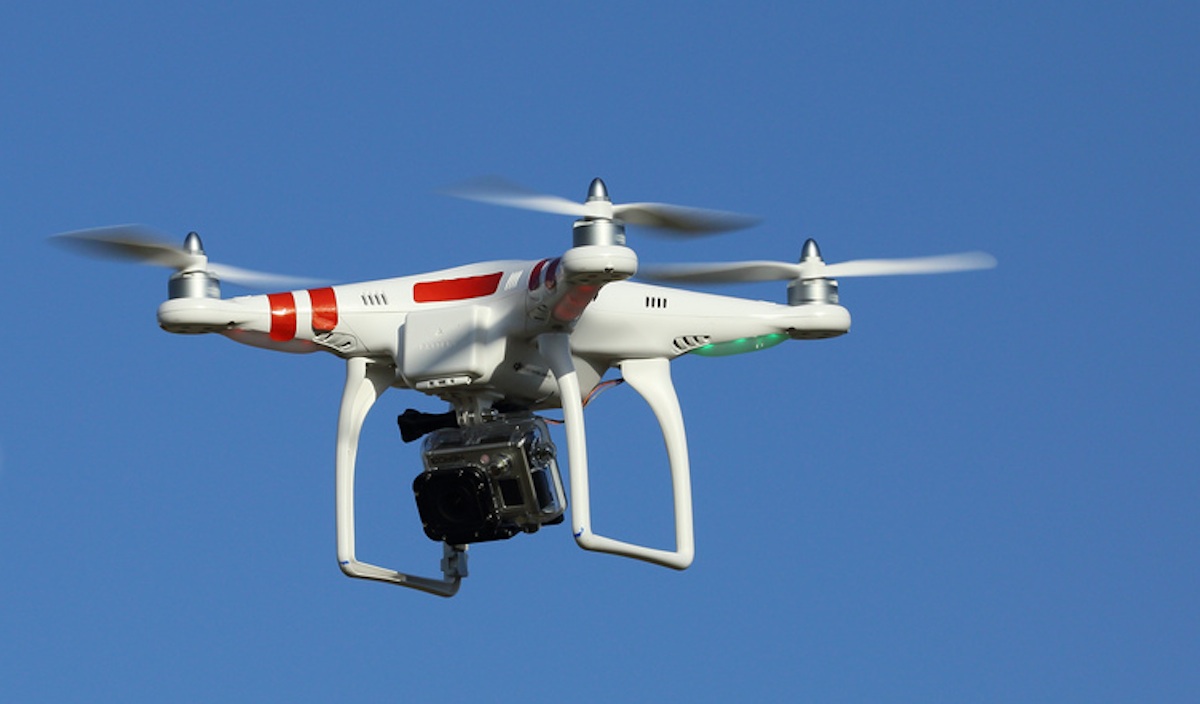
Texas AG Ken Paxton sues Anzu Robotics over alleged “trojan horse” drones linked to Beijing
By Kevin Hughes // Share


Trump administration cancels CDC vaccine panel meeting
By Laura Harris // Share

Iraq Detains Ukrainian Nationals Suspected in Plot Against Gulf Oil Facilities
By garrisonvance // Share

U.S. Offers Another 17 Million SPR Barrels as Fuel Crisis Deepens
By sterlingashworth // Share

U.S. Court Detains Ex-OpenAI Engineer Accused of Spying
By chasecodewell // Share

Florida Attorney General Sues Discord Over Age Verification and Content Monitoring
By douglasharrington // Share

IMF Chief Calls for AI Guardrails as Officials Weigh Economic Risks and Opportunities
By edisonreed // Share