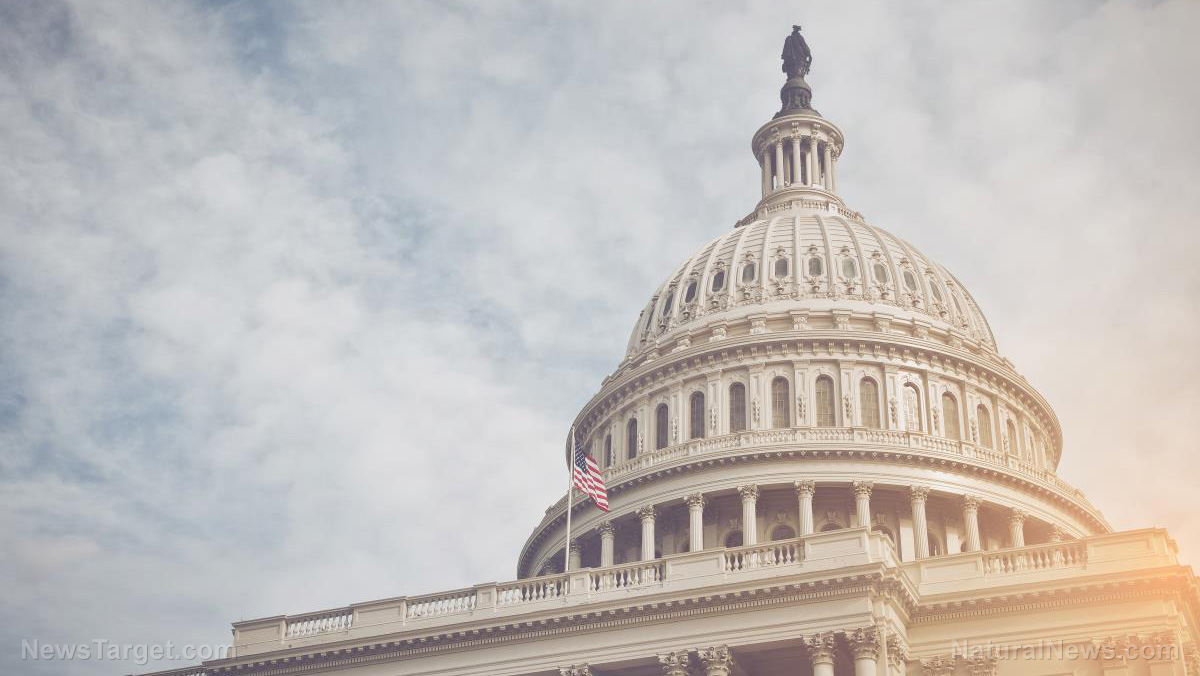
- DHS officials warned of security risks if Congress failed to pass a funding bill before the Feb. 13 deadline (which is what happened), saying a shutdown would disrupt operations and affect thousands of federal employees.
- ICE and CBP leaders said defunding would weaken national security, with Acting ICE Director Todd Lyons warning it would hinder efforts against transnational crime and terrorism, and CBP Commissioner Rodney Scott saying America would be "less safe."
- Democrats are conditioning support for the funding bill on migration enforcement reforms, citing recent ICE operations in Minneapolis that sparked protests and left two protesters dead.
- Proposed Democratic reforms include stricter use-of-force standards, clearer officer identification, judicial warrants, anti-profiling measures, body cameras and banning face coverings for ICE agents.
- Republicans stress the operational impact of a shutdown on agencies like TSA and CISA, while signaling limited openness to compromise on ICE patrol tactics, though both parties remain skeptical about reaching a deal before the deadline.
Democrats demand ICE reforms ahead of shutdown deadline
The hearing comes as Republicans and Democrats negotiate a DHS funding package ahead of the looming shutdown deadline. Democrats have pushed for changes to immigration enforcement policies as a condition of supporting the bill, citing recent ICE operations in Minneapolis that sparked protests, some of which turned violent. Two protesters were shot and killed during those operations. House Minority Leader Hakeem Jeffries (D-N.Y.) said reforms are necessary before Democrats will support additional funding. "Our position has been clear: Dramatic changes are needed at the Department of Homeland Security before a DHS funding bill moves forward," Jeffries said at a Feb. 9 press conference. Rep. Seth Magaziner (D-R.I.) even pressed for additional reforms, including requiring ICE agents to remove face coverings during operations, during the hearing. Among Democratic proposals are stricter use-of-force standards, clearer identification requirements for DHS officers, judicial warrants for certain enforcement actions and measures to prevent alleged racial profiling. Lawmakers have also renewed calls for ICE agents to wear body cameras. Meanwhile, Republicans have emphasized the operational impact a shutdown would have on agencies such as the Transportation Security Administration (TSA) and the Cybersecurity and Infrastructure Security Agency (CISA). Some even suggested there may be room for compromise, particularly regarding so-called roving ICE patrols in major cities. Rep. Michael McCaul (R-Texas) said such patrols "should be done at the border rather than in the major cities of the United States." Rep. August Pfluger (R-Texas), who chairs the Republican Study Committee, said the issue is "up for discussion" as negotiations continue between lawmakers and the White House. Despite ongoing talks, both parties signaled skepticism about reaching an agreement before the Feb. 13 deadline. Pfluger said negotiations remain difficult, adding, "Until the other side proves me wrong … we're going to be in a tough spot." Jeffries and Senate Minority Leader Chuck Schumer (D-N.Y.) described the latest Republican counterproposal as "incomplete and insufficient," citing a lack of detailed legislative text. Watch this Jan. 29 episode of "Brighteon Broadcast News" as Mike Adams, the Health Ranger, talks about Trump's aggressive immigration raids.
National security push aims to unmask foreign money flowing to American campuses
By Cassie B. // Share

DOT mandates English-only CDL exams nationwide
By Laura Harris // Share
Parts of Mexico plunge into chaos after the killing of El Mencho
By Patrick Lewis // Share

SCOTUS Saves America from Trump’s Unconstitutional, Weaponized Tariffs
By Mike Adams // Share
Trump set to defend agenda in high-stakes State of the Union amid economic doubts
By Cassie B. // Share
Authorities release photo of 21-year-old Mar-a-Lago intruder who was shot by Secret Service
By Lance D Johnson // Share
Iraq Detains Ukrainian Nationals Suspected in Plot Against Gulf Oil Facilities
By garrisonvance // Share

U.S. Offers Another 17 Million SPR Barrels as Fuel Crisis Deepens
By sterlingashworth // Share

U.S. Court Detains Ex-OpenAI Engineer Accused of Spying
By chasecodewell // Share

Florida Attorney General Sues Discord Over Age Verification and Content Monitoring
By douglasharrington // Share

IMF Chief Calls for AI Guardrails as Officials Weigh Economic Risks and Opportunities
By edisonreed // Share