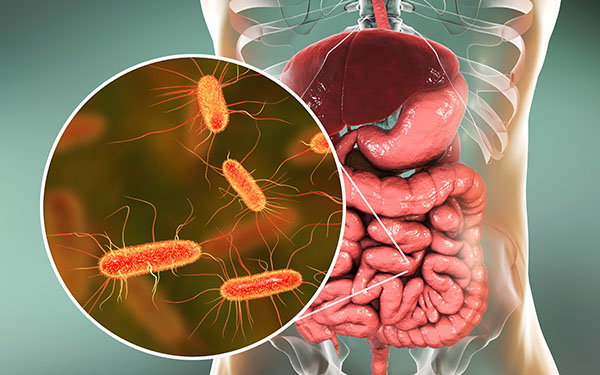
- Trillions of gut microbes communicate via chemical signals using specialized protein sensors, influencing digestion, immunity and mental health.
- Clostridia bacteria detect lactate, formate and uracil—metabolites that guide nutrient foraging and metabolic coordination.
- Some bacteria monitor multiple signals (e.g., uracil + short-chain fatty acids), revealing sophisticated environmental adaptability.
- Findings could enable personalized probiotics, non-antibiotic infection treatments and gut-brain axis therapies for mood disorders.
- Gut bacteria rapidly evolve new sensors (e.g., lactate-to-pyruvate preference shifts), highlighting their dynamic role in human health.
The secret language of gut bacteria
The human gut is a bustling metropolis of microbes, with thousands of species interacting in ways that influence everything from metabolism to mental health. But how do these bacteria "talk" to each other and their environment? The answer lies in specialized sensors—protein domains that detect chemical signals—much like a lock waiting for the right key. The research team, led by Dr. Victor Sourjik from the Max Planck Institute, focused on Clostridia, a dominant class of gut bacteria crucial for digestion and immune function. Sourjik and colleagues screened over 100 bacterial sensors against 150 gut metabolites—e.g., nutrients, hormones and waste products—to see which chemicals triggered responses. What they found was astonishing: Gut bacteria are particularly tuned to detect lactate (a byproduct of fermentation) and formate (a simple acid). These chemicals serve as signals that help gut bacteria navigate their environment and find food.A bacterial "GPS" for nutrients
Imagine gut bacteria as tiny explorers, using chemical cues like GPS coordinates. The study revealed that many bacteria have specialized sensors for:- Lactate – Produced by both human cells and other gut microbes, lactate acts like a breadcrumb trail leading bacteria toward energy sources.
- Formate – Another fermentation byproduct, formate helps bacteria coordinate metabolic teamwork.
- Uracil – A building block of RNA, uracil may signal bacterial growth opportunities—or warn of competition.
Why this matters for human health
The study's findings aren't just academic; they could have real-world implications. Further investigations could potentially lead to:- Personalized probiotics – By understanding which chemicals gut bacteria respond to, researchers could design probiotics tailored to restore balance in conditions like IBS, Crohn's disease or obesity.
- Fighting antibiotic resistance – If bacteria rely on specific signals to thrive, disrupting those signals could offer new ways to combat infections without antibiotics.
- Mental health treatments – The gut-brain axis is a hot topic in neuroscience. If certain bacterial signals influence mood or cognition, tweaking them could open new treatments for depression or anxiety.

Nature’s dynamic duo: Study reveals ginger and garlic combo packs a powerful synergistic punch
By Willow Tohi // Share


The science behind hair growth and how to restore thinning hair
By Belle Carter // Share

Boost iron levels naturally: Top drinks to combat fatigue and anemia
By Kevin Hughes // Share

Landmark study exposes how modern medicine fueled the childhood food allergy epidemic
By Ava Grace // Share

Beyond the sprout: Unveiling the unsung champions of Vitamin C
By Willow Tohi // Share


Objections to Conscription Triple in Germany, Media Report Says
By garrisonvance // Share

Mamdani Administration Signs Two Contracts for Gender Procedures on Minors
By morganverity // Share

NASA Selects Project to Investigate Marius Hills Pit on Moon
By edisonreed // Share

Ancient Egyptian "Gateway to Underworld" Found Inside Roman-Era Pyramid Tomb in Egypt
By ivagreene // Share